
Research Education
Law Enforcement

Portraying law enforcement requires attention to structure and procedure. This certificate program examines jurisdiction, rank, investigative protocols, interagency cooperation, and the human realities behind the badge.
Courses
A Day in the Life of a U.S. Secret Service Agent: Protecting Power From the Inside
What was it really like to serve in the U.S. Secret Service before the modern era of technology and surveillance? Former agent Steve Stratton shares firsthand experiences from his service in the 1970s and 1980s, offering insight into daily operations, high stakes assignments, and the challenges of protecting national leaders. This session gives writers rare perspective on a world few ever see from the inside.

A Police Officer’s Guide to Common Errors in Crime Fiction
Even small mistakes can undermine an otherwise strong crime story. Chris Berg and Paul James Smith draw on real law enforcement experience to walk writers through the errors they see most often in crime fiction. This session focuses on practical corrections and realistic police procedures, helping writers avoid credibility breakers and write law enforcement scenes that feel authentic and confident.
Behind the Badge: Writing Authentic Police Procedure
Authors with real-world law enforcement experience break down what actually happens behind the badge. This panel dives into police procedure, investigative realities, and the details writers often get wrong. Drawing directly from their professional backgrounds, the panelists share practical insights that help crime and detective fiction feel authentic, grounded, and believable.
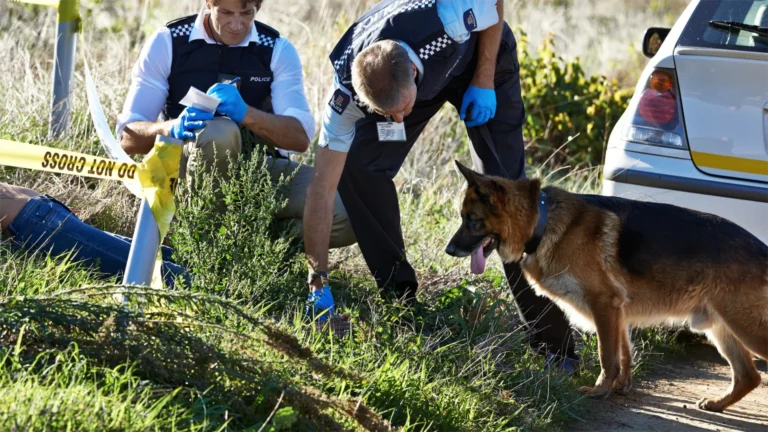
Cadaver Dogs: Fact, Fiction, and Forensics
Cat Warren offers a fascinating look into the science behind cadaver dogs and the vital role they play in law enforcement investigations. She explains how these dogs are trained, what they can and cannot detect, and when their use makes sense in a crime story. Writers will gain practical insight into deciding whether a cadaver dog strengthens a plot or risks stretching believability.

Cops on Cop Things: Q&A (Everything You Want to Know)
Writers often have questions they cannot find answered in books or on television. David Carrell, Rick Reed, and Troy Bartlett respond directly to those questions, covering homicide investigations, police procedure, and everyday law enforcement realities. This open Q and A session offers practical clarity and real-world perspective that help crime fiction ring true.

Cops, PIs, and the Art of the Investigation
Police officers and private investigators may chase the same crimes, but they solve them in very different ways. This panel explores the parallels and contrasts between cops and PIs in crime fiction, from authority and access to ethics, methods, and personal stakes. Authors discuss how each role shapes plot, tension, and character, and how choosing the right kind of sleuth can transform a story.
Crisis Negotiation: When Words Are the Only Way to Save a Life
When lives are at stake, words can matter more than weapons. Diane Harsha explains how crisis negotiation teams and SWAT units work together within the FBI framework to resolve critical incidents safely. This session covers risk assessment, communication strategies, and coordination under pressure, giving writers a realistic understanding of how negotiations are used to prevent violence and save lives.
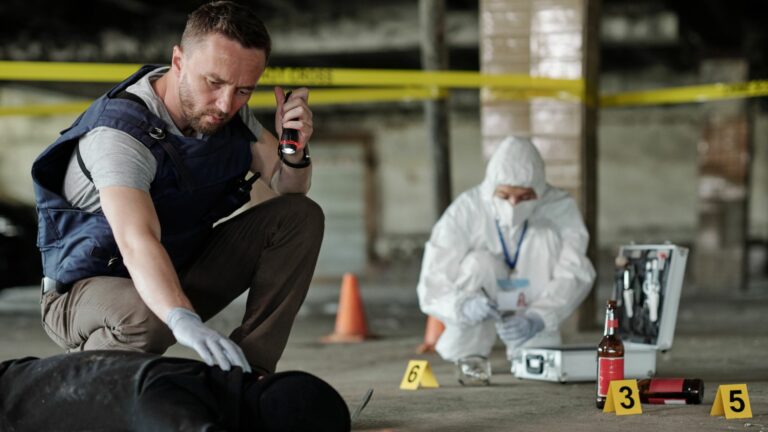
Crisis Negotiator: Talking Someone Down When Everything Is About to Go Wrong
When emotions are high and lives are on the line, words matter more than force. Homicide detective and crime novelist Rick Reed draws on real-world experience resolving high-stakes crises through communication and empathy. This session explores how negotiators build trust under pressure, read human behavior, and defuse volatile situations, giving writers powerful tools for creating tense, emotionally grounded scenes.

How Cold Cases Come Back to Life
Why do some homicide cases go cold, and what brings them back to life years later? Bruce Robert Coffin takes writers inside the world of cold case investigations, explaining the kinds of evidence detectives rely on and how stalled cases are reopened. This session explores the persistence, patience, and obstacles involved in pursuing justice long after a crime, giving writers realistic insight into one of the most compelling areas of criminal investigation.

How Detectives Actually Build a Homicide Case
Behind every successful homicide investigation is careful observation and methodical follow up. Mike Breedlove offers an inside look at real surveillance practices and death investigation techniques drawn from professional experience. Writers learn how investigators track suspects, interpret scenes, and build cases so homicide investigations on the page feel accurate and convincing.
How Government Investigations Really Work
Government agencies can be confusing on the page as well as in real life. Dan Royse draws on firsthand government experience to explain how federal and state agencies are structured, what their roles really are, and how they coordinate during investigations. This session also looks at how lessons learned after 9/11 continue to shape interagency cooperation, giving writers a clearer understanding of how large investigations actually function.

How Investigators Spot a Lie
What tells give someone away when they are lying? Frank Runles draws on decades of experience to explain the verbal and physical cues people often display when attempting to deceive. This session offers practical insight into interrogation dynamics and human behavior, helping writers create investigative scenes and interviews that feel tense, believable, and psychologically grounded.

How Murder Investigations Really Unfold
Homicide investigations are complex, methodical, and rarely simple. Sergeant Derek Pacifico takes writers inside the reality of investigating murder, explaining procedures, terminology, and investigative techniques used by detectives. This session offers practical insight into how homicide cases are handled so crime scenes and investigative work feel authentic on the page.

How Officers Survive Violent Encounters
What really happens during a physical arrest, and what keeps officers alive in dangerous encounters? An active police officer demonstrates real-world defensive tactics used on the street, explaining how training, procedure, and instinct come together in high-risk situations. This session clears up common television myths and gives writers a grounded understanding of the physical realities behind police encounters.

How Police Really Work on the Street
What do writers most often get wrong about police work, and why does it matter? James L’Etoile, Jeffrey James Higgins, and Paul James Smith draw on years in law enforcement to explain how policing really works on the street. From procedures and firearms to mindset and daily realities, this session offers practical corrections and trusted insight that help crime writing feel grounded, credible, and true.
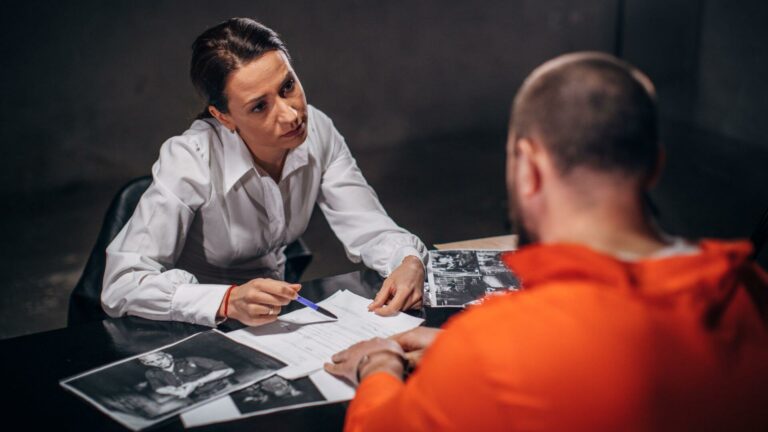
How Real Interrogations Create Pressure
Interrogation scenes succeed or fail on subtle human behavior. James Glass, a former interrogator with more than twenty years of experience, explains how real interrogations unfold and what verbal and nonverbal cues matter most. Writers gain insight into power dynamics, timing, and psychological pressure, making questioning scenes feel tense, authentic, and grounded in reality.

How Real Police Experience Changes the Stories Writers Tell
Real experience shapes powerful fiction. Addie King, Amy Drescher, Cynthia Drew, Deborah Sharp, and Sheila Stevens share how their backgrounds in law enforcement influence their writing. Through practical insight and memorable stories from the field, this session helps writers understand how real investigative work can add authenticity, depth, and authority to crime fiction.

How Search and Rescue Dogs Actually Save Lives
Behind every successful search and rescue mission is careful training, coordination, and trust between handlers and their dogs. K9 operations chief Andrew Nicholas, search coordinator Ed Nicholas, and experienced handlers Jim Prosek, Kay Nicholas, Terry Nicholas, and Wendy Qualls explain how search and rescue dogs are trained, certified, and deployed. This session gives writers an inside look at teamwork under pressure and the critical role K9 units play when lives are on the line.
Infiltrating the Shadows: The Logistics of Undercover Operations
What does it really take to live undercover without losing yourself or getting killed? Former undercover narcotics agent Chris Berg takes writers inside the realities of covert work, from building believable cover identities to managing constant risk and isolation. This session explores both the logistics and the emotional toll of undercover operations, helping writers create characters and plots that feel authentic and earned.
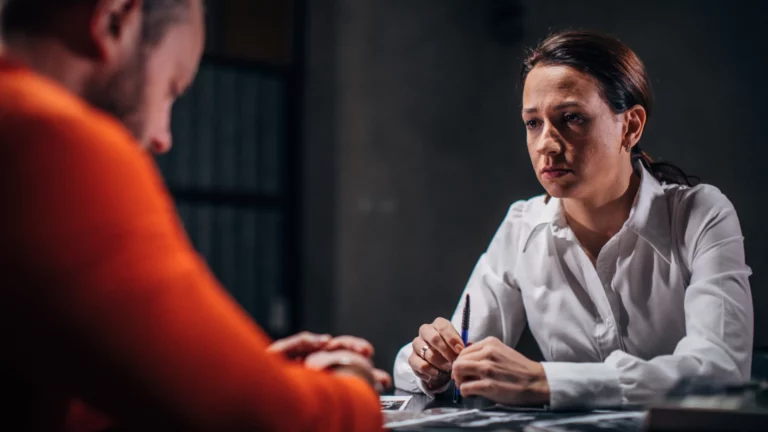
Inner Workings of Interrogations
Interrogations are shaped by preparation, psychology, and control, not intimidation alone. James Glass demonstrates realistic interrogation scenarios and explains how investigators approach questioning in real life. This session breaks down proper techniques, what officers listen and watch for, and how interrogations actually unfold, giving writers practical tools for creating tense and believable scenes.
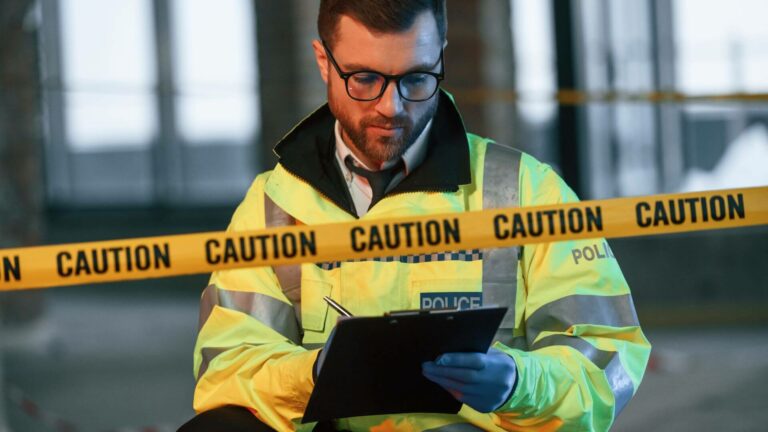
Inside a Real Homicide Investigation
Homicide investigations follow a reality-driven process that fiction often simplifies or skips. Former investigator Jeff Shaw takes writers step by step through a real homicide case, from first response to final report. This session explains what actually happens at a crime scene, how evidence is handled, and how detectives think, giving writers a clear foundation for accurate and believable homicide scenes.

Inside a Sexual Assault Investigation
Writing about sexual assault requires accuracy, care, and a deep understanding of how these cases unfold. Retired Anchorage Police Department sergeant Mark Rein draws on years of investigative experience to explain the realities of sexual assault investigations. This session focuses on process, survivor experience, and the systemic challenges investigators face, giving writers the insight needed to approach this subject with responsibility and truth.

Inside a Sheriff’s Office Without the TV Lies
Television often gets sheriff’s offices wrong. Officer Mike Breedlove offers a realistic look inside daily operations, explaining how real procedures, responsibilities, and decision-making differ from Hollywood portrayals. Writers gain a grounded understanding of how a sheriff’s office actually functions and how to portray it accurately on the page.

Inside Government Power: Writing Suspense from the Inside
Writers explore how government agencies add depth and tension to suspense fiction. In this session, panelists discuss the branches and institutions they write about, what drew them to those worlds, and how insider details and power dynamics heighten stakes and realism on the page.
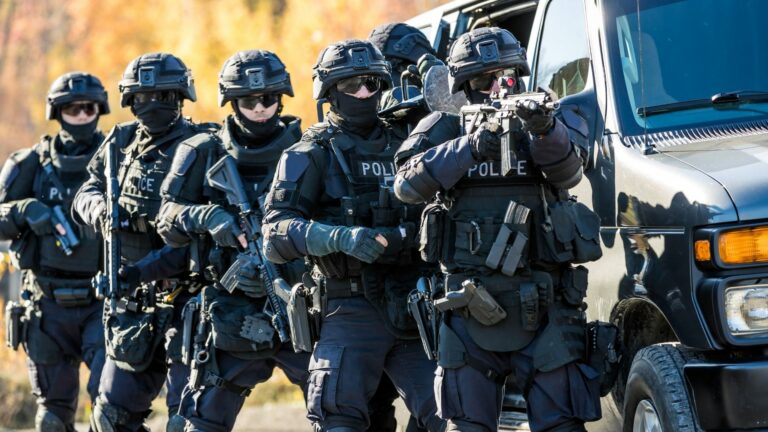
Inside High-Risk Police Operations: Law Enforcement Procedures, SWAT, and Special Ops
SWAT and special operations are built on precision, coordination, and split-second decisions. In this session, current and former tactical and emergency officers discuss how high-risk operations actually unfold, from planning and procedure to execution under pressure. Writers gain a realistic understanding of investigative protocols, emergency response, and tactical teamwork, helping action scenes feel intense, accurate, and earned.

Inside Real Homicide Investigations Then and Now
Homicide investigations have changed dramatically over time. Pat Stiglione of the Metro Police Department examines real cases from his career, comparing investigative approaches from the late twentieth century to those used today. This session explores evolving technology, shifting priorities, and the early challenges that shape long term homicide cases.
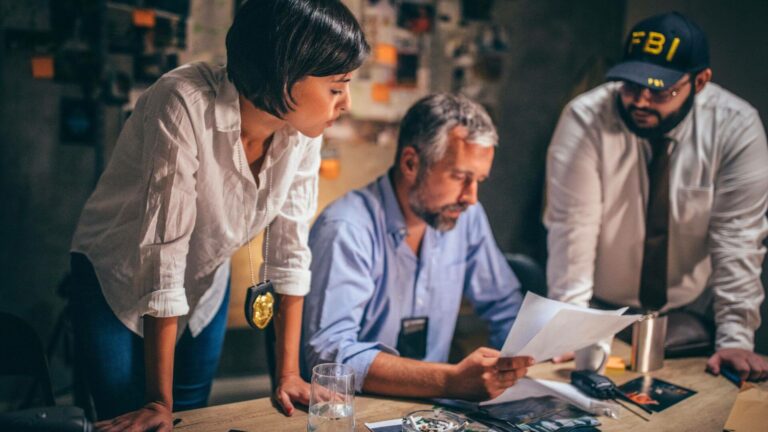
Inside State Crime Investigations: How Major Cases Are Handled
How do major investigations unfold at the state level? Dan Royse shares behind the scenes insight from his work with the Tennessee Bureau of Investigation, explaining how large scale crime scenes are approached and managed. This session gives writers a realistic look at protocols, coordination, and decision making inside a state investigative agency.

Inside the Day-to-Day Reality of the CIA
What is daily life really like inside the Central Intelligence Agency? Bill Rapp offers an insider’s perspective on intelligence work, explaining common acronyms, organizational structure, and the realities behind the mystique. This session helps writers bring authenticity and nuance to espionage and thriller fiction by grounding stories in how intelligence operations actually work.
Inside the FBI Beyond the Badge
What is life really like inside the Federal Bureau of Investigation? Former FBI Special Agent Matt Espenshade draws on twenty five years of experience to explain how the Bureau actually operates. Writers gain insight into internal culture, investigative roles, and daily realities that help create believable FBI characters grounded in real world detail rather than television myth.

Inside the World of Private Investigators
What draws writers to the world of private investigators and professional investigations? In this panel, authors dig into the appeal of crime fiction outside official law enforcement, exploring the characters, power dynamics, and narrative freedom that define PI stories. They discuss why private-sector investigations create unique tension, how plot and character intertwine in this genre, and what makes these stories endlessly compelling for readers.

Inside Vice: Crime, Temptation, and Moral Gray Zones
Vice work lives in a space where danger, temptation, and moral ambiguity collide. Mark Rein, a retired detective sergeant from Alaska, shares firsthand stories from his career working vice cases. This session gives writers a candid look at how vice units operate and how to portray the risks, complexity, and ethical tension that define this kind of undercover work.

Intelligence / Counterintelligence: The Spy Game Behind the Scenes
Espionage is rarely as simple as heroes and villains. Steve Stratton uses his national security background to explain how intelligence and counterintelligence operations really function, from gathering information to protecting it from adversaries. Writers gain an insider’s understanding of tradecraft, deception, and global stakes that bring depth and credibility to espionage and thriller fiction.

Jurisdiction: Who Takes Over When a Case Explodes
Who investigates which crimes, and when does a case move beyond local police? In this session, experienced law enforcement officers break down how jurisdiction actually works in the real world. Writers learn how cases typically begin at the local level and what causes state or federal agencies to step in, such as cross-state activity, specialized resources, or federal law violations. This session helps authors avoid one of the most common credibility mistakes in crime fiction.
Law enforcement, Police Procedurals within Thriller Material
Bruce Robert Coffin leads a panel on law enforcement, police procedurals, and detective work, examining their portrayal in movies, TV shows, and fiction novels. The discussion delves into the accuracy and creative interpretation of these elements across different mediums.

Less-Than-Lethal Weapons: What Happens When Police Don’t Use Deadly Force
What really happens when officers reach for alternatives to deadly force? In this session, a Boston University professor explains how less-than-lethal weapons actually work, when they are used, and the legal and situational limits that govern their deployment. Writers gain a clear understanding of the tools commonly used in law enforcement and self-defense, along with the real-world consequences of choosing these options.
Multi-Agency Investigations and Task Forces: Who Is Who in the Zoo?
When a case grows beyond one department, everything becomes more complicated. Steve Stratton draws on experience in the Secret Service and the military to explain how multi agency task forces actually work. This session breaks down who does what, how authority is shared, and where friction often arises, giving writers the clarity they need to portray interagency investigations with realism and confidence.

Murder 101: The First 48 Hours After a Killing
What actually happens when someone is killed, and what follows afterward? Designed for mystery and crime writers, this session walks through the realities of murder and its immediate aftermath. Writers gain a clear understanding of how deaths are handled, investigated, and processed, helping them portray murder scenes with realism, accuracy, and confidence.

Murder for Real: Adding Realism to Your Mystery Writing
Authentic police work adds authority to any mystery. Retired detective sergeant and procedural author Bruce Robert Coffin shares what homicide investigations truly involve, drawing on years of experience in the field. This session covers first response, evidence handling, cold cases, chain of command, and media pressure, helping writers add realistic detail and professional texture to their stories.

Real Police: Tactics and Guns
In this revealing session, former law enforcement officer and bestselling author James Born draws on his real-world experience to unpack police tactics, firearms use, and split-second decision making. He explains how authenticity shapes his thrillers and shares insights that can help writers bring procedural scenes to life with accuracy and authority.

Surveillance: How to Watch Someone Without Being Seen
Good surveillance is quiet, deliberate, and far more demanding than fiction suggests. R.T. Lawton offers an insider’s look at how surveillance actually works, from blending into everyday environments to maintaining focus over long stretches of time. Writers learn practical techniques and small details that make private investigator scenes feel believable rather than staged.

Surveillance: The Hidden Tension of Watching a Suspect
Surveillance is slow, tense, and far more complicated than fiction often suggests. Sheila Stevens explores how surveillance is really conducted, from tools and techniques to legal limits and operational risks. Writers gain insight into the patience, danger, and decision-making involved when watching suspects, especially when surveillance efforts are compromised or go wrong.

TBI (Tennessee Bureau of Investigation): How State Investigators Handle the Big Cases
How does a state level investigative agency operate behind the scenes? Special Agent Dan Royce offers an inside look at the Tennessee Bureau of Investigation, including its history, structure, and investigative process. This session helps writers understand how major cases are handled at the state level and how to portray those investigations with accuracy and confidence.
The Hidden Pressures of Law Enforcement
Law enforcement is shaped by far more than badges and arrests. Darin Werkmeister, Deborah Dobbs, Ernest Lancaster, Jacob Moon, Sean Mitchell, and T.G. Brown discuss how jurisdiction, inter agency cooperation, prison systems, and psychological pressure affect the work. This session gives writers a big picture understanding of the profession and the realities that shape every decision officers make.

The Interrogation Tactics That Break or Make a Case
Interrogations are built on psychology, pressure, and timing, not just tough questions. Mike Breedlove breaks down how real interrogations work, explaining why certain techniques succeed while others fail. This session explores effectiveness, ethics, and human behavior, giving writers the insight they need to craft interrogation scenes that feel tense, believable, and grounded in reality.
The Moment an Interview Becomes an Interrogation
Interviews and interrogations are not the same, and the difference matters. In this session, a veteran police officer explains how investigators approach questioning, what verbal and nonverbal cues they watch for, and when an interview becomes an interrogation. A live mock interview demonstrates how these techniques play out in real time, giving writers practical tools for creating tense and believable questioning scenes.

The Police Mistakes That Instantly Break a Crime Novel
Real police work brings texture and credibility to crime fiction when it is portrayed correctly. Allan E. Ansorge, Gary Jones, Rick Reed, and Trey Barker draw on firsthand law enforcement experience to discuss how policing informs their writing. This session highlights common misconceptions, practical corrections, and storytelling choices that help investigative scenes feel authentic and earned.
The Psychological Chess Game of an Interrogation: Techniques for Writers
Real interrogations rely on psychology, patience, and pressure rather than intimidation alone. Retired Navy investigator James Glass draws on more than twenty years of experience to show how interrogations actually unfold. This session explores body language, ethical gray areas, and the subtle strategies investigators use to seek the truth, helping writers craft interrogation scenes that feel tense and authentic.
The Psychological Cost of Wearing the Badge
Behind the uniform are human beings carrying stress, trauma, and responsibility long after the call ends. Ellen Kirschman draws on her work as a clinical psychologist and her experience with law enforcement and first responders to explore the emotional realities of the job. Through expert insight and real stories, this master class helps writers portray PTSD, resilience, and humanity with honesty and depth.

The Truth About Intelligence Agencies That Fiction Gets Wrong
What do intelligence agencies really do, and how is that different from police work? This session clears up common misconceptions about intelligence operations and explains how agencies like the CIA focus on collecting and analyzing information rather than making arrests. Writers learn what roles realistically exist inside intelligence organizations, from field operatives to analysts and support staff, making it easier to create believable espionage characters and storylines.
Uncovering the Truth: Sheila Wysocki on Investigating the Holly Bobo Case
Investigating a real case brings challenges fiction rarely shows. Private investigator Sheila Wysocki walks listeners through her investigation into the Holly Bobo case, sharing her methods, use of social media, and the obstacles she faced along the way. This session offers a rare look at persistence, strategy, and the emotional toll of pursuing truth in a real world investigation.

Undercover Work From the Inside
Going undercover is as much a psychological challenge as it is a tactical one. Chris Berg and Paul James Smith draw on real-world experience to explore what undercover work actually demands, from maintaining cover and managing fear to navigating moral gray areas. This session helps writers understand how undercover operations really function and how to create characters and plots that feel credible under pressure.

Wearing the Star: Sheriffs in Crime Fiction
From frontier lawmen to modern-day guardians of justice, this panel explores how sheriffs have evolved in crime fiction. Authors discuss the shifting responsibilities, moral dilemmas, and community pressures that shape these characters across historical and contemporary stories. The conversation also looks ahead at how changing views of law enforcement may influence the future of sheriffs in crime and mystery narratives.

What Happens After the Cell Door Slams?: Life Inside Prison Walls
Prison life is rarely portrayed accurately in fiction. Drawing on 29 years working inside correctional facilities, James L’Etoile offers a candid look at what really happens behind the walls. This session explores daily routines, power dynamics, and the human stories that define incarceration, giving writers the insight they need to portray prison life with honesty and depth.
What Life Is Really Like on Death Row
Death row is a world few people ever see up close. Greg Laird draws on more than one hundred visits to Oklahoma’s death row to share what life is really like for inmates, how attorneys interact with their clients, and the human realities behind the justice system. This session offers writers rare insight into the emotional weight, routines, and contradictions that define life at the end of the legal process.
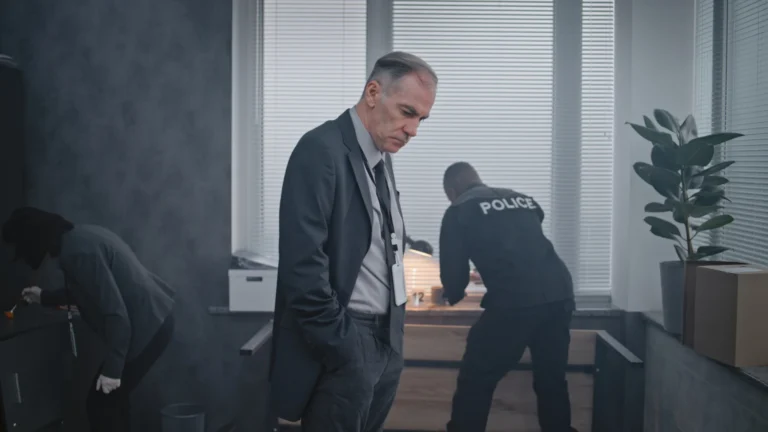
What Police Actually Do at a Crime Scene
Credible crime fiction depends on getting procedures right. Former military police officer Mark Zeid walks writers through what actually happens at a crime scene, from first response to follow up. This session breaks down real world police procedures in a clear, practical way, helping writers portray investigations with confidence and authority.

What Police Work Really Looks Like When the Cameras Are Gone
What does police work really look like beyond the sirens and shortcuts of fiction? This session gives writers an inside view of everyday law enforcement, from investigative procedures to the realities officers face on the job. It breaks down how cases actually move forward and what officers do day to day, helping writers portray police work with credibility, nuance, and confidence.
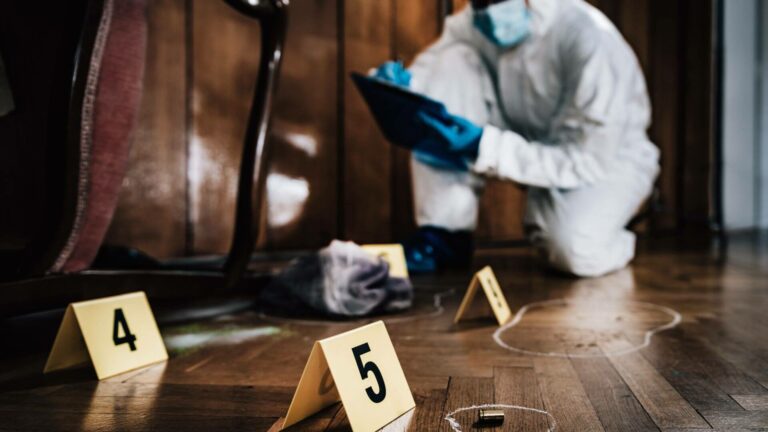
What Really Happens at a Crime Scene?
Crime scenes are complex, methodical, and rarely as simple as fiction makes them seem. Royce Wilson walks writers through what actually happens at a crime scene, from proper procedures to evidence handling and documentation. This session clarifies common misconceptions and gives writers the details they need to portray law enforcement work with confidence and accuracy.
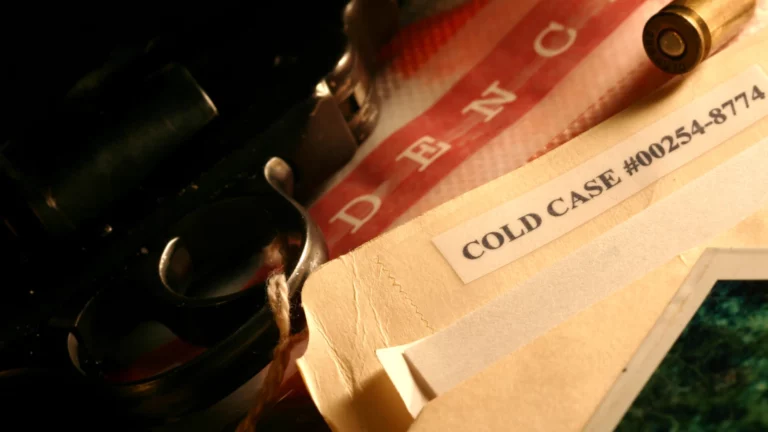
When Cold Cases Refuse to Stay Dead
Cold cases are built on patience, missed chances, and the refusal to let a story end. Rick Reed takes writers inside the long, frustrating, and often emotional process of pursuing cases that refuse to stay buried. This session explores how investigators keep going when leads dry up, how new forensic tools reopen old doors, and how writers can portray unresolved crimes with realism and credibility.

When You’re Being Watched Back: Understanding Surveillance and Countersurveillance
Surveillance becomes dangerous when someone knows they are being watched. Carmen Amato draws on firsthand intelligence experience to explain how surveillance and countersurveillance really operate in the field. This session shows writers how observation, tradecraft, and countermeasures create tension and risk, adding realism and high stakes to crime and espionage fiction.
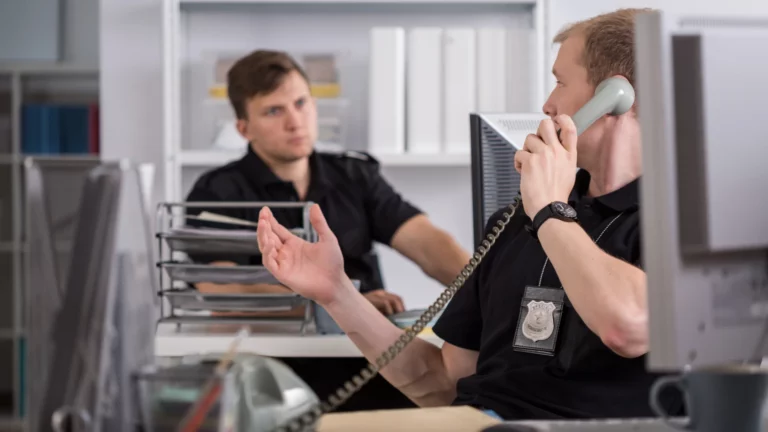
Who Really Runs a Police Department
What does it actually take to run a police department day to day? Arl Farris, James Glass, Jim Doherty, and Lisa Preston take writers inside the structure and leadership of modern policing. This session explores operations, hierarchy, decision making, and internal dynamics, giving writers a realistic understanding of how departments function and how leadership choices affect everything from investigations to morale.

Why Policing Isn’t Anything Like the Military
Law enforcement is not one-size-fits-all, and fiction often blurs important distinctions. In this session, a veteran panelist breaks down the differences between military service and civilian policing, as well as the realities of urban versus rural law enforcement. Drawing on personal experience, this discussion helps writers understand how structure, training, and environment shape how officers actually work.