
Genre Writing
Mystery

Mystery centers on unanswered questions and the pursuit of truth. This certificate program explores clue placement, red herrings, pacing, fair play structure, and crafting satisfying resolutions.
Courses

A Fine Palate For Death: Writing Culinary Mysteries
In this session, authors discuss why they chose culinary settings for their stories, how food and drink enrich their mysteries, and what they are working on next in this flavorful corner of crime fiction.
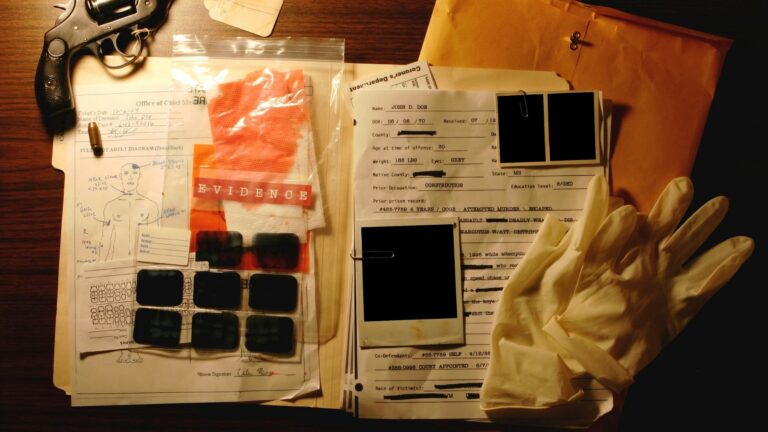
A Question for Death: How Important is WhoDunnit?
Agnete Friis, Gianrico Carofiglio, Lene Kaaberbøl, and Peter Rozovsky examine the role of the culprit reveal in mystery fiction. They discuss what the answer to the crime means to them as writers, how they use the structure of a whodunnit, and how solving the crime shapes character and story.

Can Famous Detectives Solve a Case on the Fly?
Austin Lugar, Harry Hunsicker, JoAnna Carl, Lauren Henderson, and Terence Faherty turn crime fiction into a fast paced game. In this interactive and humorous session, iconic fictional detectives race to solve an audience created murder, revealing how different minds approach mystery under pressure.
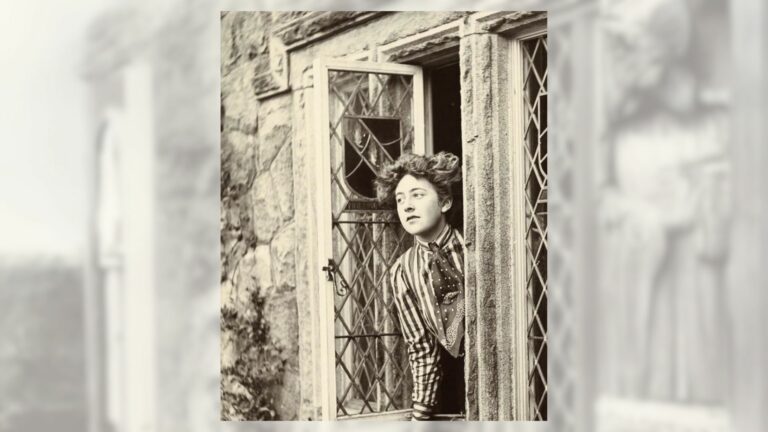
Celebrating Agatha Christie: Why She Still Works
Carolyn Hart, G.M. Malliet, and Val McDermid reflect on the lasting influence of Agatha Christie. They discuss her precision, her mastery of misdirection, and why her stories continue to captivate readers and inspire mystery writers generation after generation.

Cleveland Rocks and So Does Murder: When a City Becomes the Crime Story
Amanda Flower, Casey Daniels, John Bellairs, Les Roberts, and Robin Yocum discuss why Cleveland makes such a compelling setting for crime fiction and true crime. They explore the city’s history, grit, and atmosphere, and how its character shapes the people and stories that unfold there.
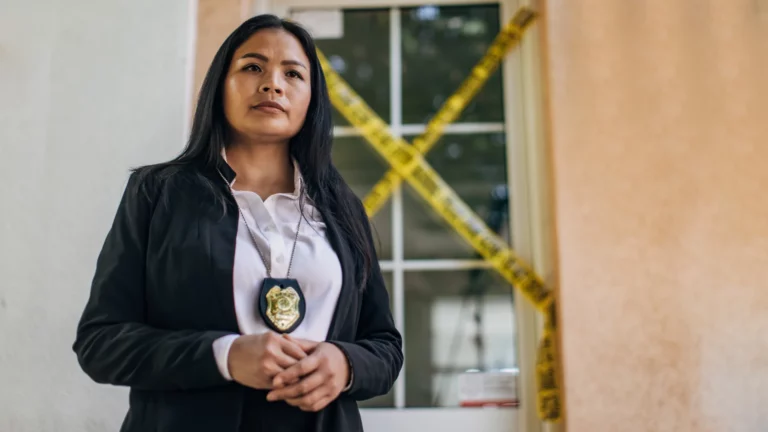
Eve of Destruction: Rewriting the Rules for Women in Crime Fiction
This all woman panel celebrates bold, complex female protagonists in crime fiction. The authors discuss how evolving ideas about justice, violence, and power are reshaping women characters, and how pushing boundaries on the page creates stories that feel urgent, modern, and fearless.

Finding Your Place in the Mystery Genre
Jill Marr, Lucienne Diver, Lynette Ingram, and Philip Cioffari explore the many branches of the mystery genre. They discuss how tone, theme, and style shape everything from classic whodunits to literary mysteries, and how writers can find their place while still maintaining a distinctive voice.

From Short Crime Stories to Full-Length Mysteries
Dana Chamblee Carpenter, Marianne Donley, Mary Beth Magee, Paula Gail Benson, and Rhonda Gilliland share their approaches to crafting compelling crime and mystery tales, from short stories to full-length novels.

How Great Mystery Plots Actually Work
Roger Johns moderates a practical conversation with Lynn Chandler Willis, Maggie Toussaint, Martha Reed, and Sharon Marchisello on how mystery plots really come together. They tackle pacing problems, clue placement, red herrings, and how to deliver a reveal that feels both surprising and fair to the reader.

How Much Violence Does a Mystery Need?
Anne Cleeland moderates a lively discussion with Heather Graham, Jess Lourey, Susan M. Boyer, and Wendy Corsi Staub on how violence functions in crime fiction. They compare cozy mysteries and darker noir stories, and explore how much violence serves the story rather than overwhelms it.

How Mysteries Are Crafted From the Inside Out
Maryglenn McCombs and Richard Helms explore the creative process behind strong mystery writing. They discuss how character, setting, and craft choices work together to build suspense and guide readers through a story that keeps them guessing to the very end.

How to Build a Mystery Readers Can’t Escape
Amy Denton, Carol Potenza, Chrissy Hicks, Jeffrey Philips, K. Scott Culpepper, and Kay DiBianca break down what makes a mystery work from start to finish. They explore structure, pacing, and suspense, examine where mystery and thriller overlap, and share practical rules that help writers build whodunits readers cannot put down.

How to Build a Mystery That Holds Together
Erin Flanagan, J.D. Webb, Jule Selbo, Marcy McCreary, and Rich Zahradnik break down what makes a mystery truly work. They share practical advice on plotting, building suspense, developing characters, and sustaining tension so readers stay engaged and guessing until the final page.

How to Keep Mystery and Thriller Readers Hooked
Jaden Beth Terrell, Carrie Smith, Charles Kowalski, Christine Husom, and Marc Rainer share practical strategies for writing page turning mysteries and thrillers. They discuss plotting, believable motives, pacing, and how to sustain tension from the opening scene through the final twist.

How to Surprise Mystery Readers Without Cheating
Dana Cameron moderates a lively discussion on the unspoken rules of mystery writing with Chantelle Aimée Osman, G.M. Malliet, Jaden Beth Terrell, Joshua Corin, and Wendy Corsi Staub. They explore when writers should follow convention, when it is smart to break it, and how to surprise readers without betraying their trust.

Keeping Readers Guessing in Crime Novels
J.L. Hill, Kathryn Lane, Michelle Cox, and Rich Zahradnik share how they structure and pace full length mystery and crime novels. They focus on sustaining intrigue, escalating tension, and keeping readers invested from the opening pages to the final reveal.

Making Readers Laugh Without Killing the Suspense
DP Lyle, J.B. Manning, Kari Bovee, Kemper Donovan, Marty Ludlum, and Rick Glaze explore how humor can enhance mystery and suspense. They discuss timing, tone, and how to use comedy to relieve tension without undermining realism or stakes.

Mastering the Red Herring
A well-placed red herring can keep readers guessing. A poorly placed one can frustrate them. In this craft-driven discussion, G.M. Malliet and fellow mystery writers explore how to use misdirection with precision. They share techniques for planting false leads, layering clues, and steering suspicion without breaking trust with the reader. Discover how to keep your audience intrigued while playing fair.
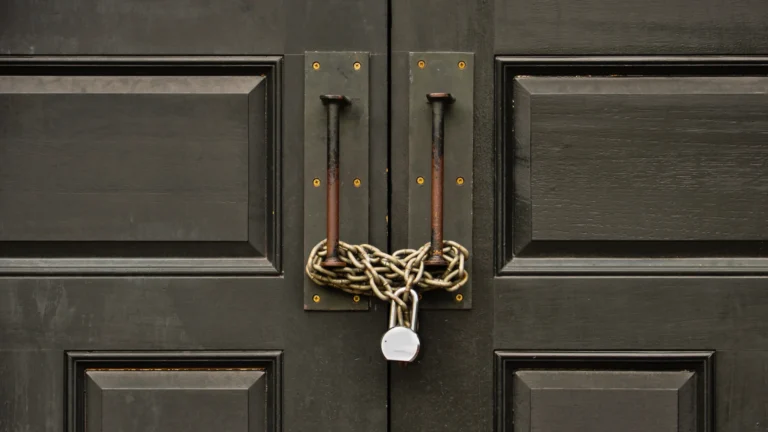
Murder in a Locked Room: How to Pull Off the Impossible
Bill Gottfried, Gigi Pandian, Jeffery Deaver, Laurie R. King, and Marv Lachman explore the enduring appeal of the locked room mystery. They discuss how to construct an impossible crime, surprise modern readers, and keep this classic subgenre fresh and inventive.

Murder in the City that Doesn’t Sleep
Edgar Clark, Katia Lief, Lawrence Kelter, Meredith Anthony, and Wendy Corsi Staub explore how New York City becomes more than a backdrop in crime fiction. They discuss how the city’s energy, diversity, and intensity influence tone, motive, and the mysteries that unfold within it.
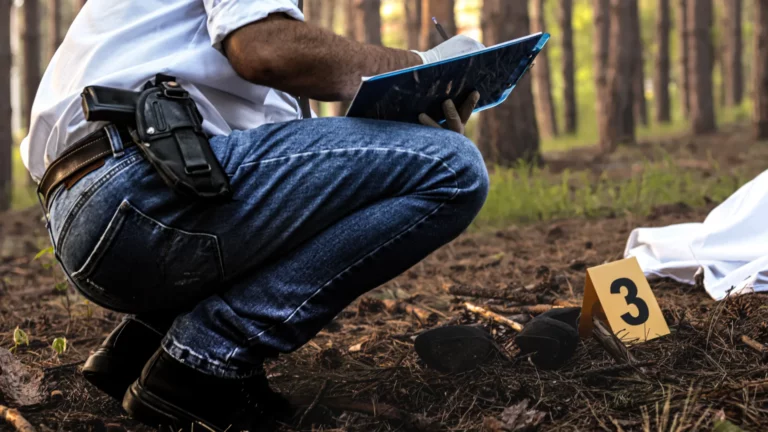
Murder in the Great Outdoors: When Nature Becomes the Most Dangerous Character
Curt Wendelboe, Paul Doiron, R.J. Harlick, Sasscer Hill, and Stephen Booth discuss what happens when mysteries leave the city behind. They explore how wild landscapes heighten danger, test characters, and become an active force in the story, shaping both suspense and survival.

Murder in the Windy City: Why Chicago Makes Crime Fiction Hit Harder
Barbara Fister, Julia Keller, Michael A. Black, Michael Wiley, and Sara Paretsky explore why Chicago is such a compelling setting for crime fiction. They discuss how the city’s history, neighborhoods, and moral complexity shape stories where place is inseparable from crime.

Must-Read Crime Fiction: Authors Share Their Favorites
What do crime writers read when they are not writing? In this fan-favorite conversation, panelists share the mysteries, thrillers, and crime novels they love most, discussing what makes these stories unforgettable and why they continue to inspire their own work. Expect passionate recommendations, lively debate, and plenty of books to add to your reading list.

Mysteries Set Between the World Wars
The years surrounding the world wars offer a powerful backdrop for mystery and crime fiction. In this session, panelists discuss writing stories set during or between these turbulent periods, exploring how war, social change, and historical context shape their characters, investigations, and plots.

Mystery Made in the Midwest
Carla Buckley, Jen Forbus, and Michael Harvey discuss how Midwestern settings influence crime fiction. They explore how landscape, weather, and tight knit communities shape character and plot, and why the region lends itself to stories that feel grounded, tense, and emotionally resonant.

Nuggets of Mystery: How Short Mysteries Deliver Big Impact
Barb Goffman, Janet Hutchings, John M. Floyd, Laura K. Curtis, Shelley Costa, and Terry Moran break down the craft of short mystery fiction. They discuss how to deliver tension, character, and surprise in a limited word count, and why small stories can leave a powerful impact.

Red Herrings: How to Trick Your Reader Fairly
Keith Raffel walks writers through the mechanics behind a well constructed mystery. He breaks down structure, pacing, and misdirection, showing how to plant clues, hide the truth in plain sight, and keep readers guessing all the way to the final reveal.

Secrets Don’t Stay Secret in Small Towns
Brenda Chapman, Dana King, Erika Chase, and Sandra Parshall explore why small towns are such fertile ground for mystery. They discuss how close relationships, long memories, and hidden tensions turn familiar communities into places where secrets are hard to keep and danger feels personal.

Southern Fried Sleuths
Barbara Graham, Deborah Sharp, Glen Allison, Maggie Toussaint, and Tony Burden explore the rich storytelling tradition of the American South, discussing how its culture, atmosphere, and history shape compelling mysteries and how they authentically capture southern nuance in their work.

Stealing Beauty: Murder, Obsession, and the Art World
The art world is full of beauty, ambition, and hidden danger. Connie Berry, Judith Gaines, Lane Stone, Martha Reed, and Nina Wachsman explore stories of theft, forgery, obsession, and murder, revealing how art and crime intersect. This session shows how motive, creativity, and mystery combine to create unforgettable fiction.

Stiff Upper Lip: British Investigations are Murder
In this lively conversation, an all-female panel shares why British settings are so irresistible for crime fiction. They explore tone, tradition, social nuance, and the quiet tensions simmering beneath that famous stiff upper lip.

The Appeal of the ‘Hardboiled’ Mystery
Gritty, sharp-edged, and morally complex, the hardboiled mystery refuses to play nice. In this dynamic discussion led by Steve Hamilton, a panel of seasoned authors explores what defines the hardboiled tradition and why it continues to captivate readers. From stripped-down prose to flawed heroes and unforgiving worlds, they unpack the elements that give this genre its lasting punch.

The Architecture of a Great Mystery
What separates a good mystery from one readers cannot put down? In this craft-focused conversation, authors break down the essential elements of character, plot, and narrative voice. They share how these pieces work together to create momentum, tension, and emotional impact, drawing from their own novels to reveal what truly makes a mystery unforgettable.

Timeless Mysteries: Writing Mysteries That Bring the Past Alive
Alana White, Carmen Amato, Linda Petrilli Duncan, and Thomas A. Burns Jr. discuss what makes historical mysteries so compelling. They explore how to balance research with imagination, find reliable sources, and build richly detailed worlds that draw readers into the past.
Traditional? Cozy? What Are the Boundaries of Mystery Novels
Authors explore the evolving landscape of mystery fiction, from traditional whodunits to cozy mysteries and everything in between. In this conversation, they discuss which subgenres continue to grow, where boundaries blur, and how they define their own work within an ever-expanding mystery market.

Unusual Jobs, Unforgettable Detectives
Alice Loweecey, Art Davis, Helen Knode, Karen Olson, Tammy Taylor, and Thomas Perry explore protagonists with unconventional careers. They discuss how occupational research adds realism, creates unique story opportunities, and opens new paths for mystery plots and character development.

What Makes a Story Gritty? From Traditional Mystery to True Crime
What does “grit” really mean in crime fiction? In this session, authors explore how grit appears across the genre, from traditional mysteries to thrillers and true crime. Panelists discuss the elements that give stories their edge and how gritty storytelling differs from noir while still delivering intensity and realism.

What Makes Traditional Mysteries Timeless
Mystery writers explore the enduring power of the traditional mystery and why its classic structure continues to resonate with readers. This session examines the elements that define traditional mystery writing, from fair-play clues to satisfying solutions, and explains why these time-tested approaches remain so effective in today’s market.

Where Literary Depth Meets Mystery
Chris Knopf, Connie Dial, David Freed, Dennis Winstead, and Gwen Florio explore what defines a literary mystery. They discuss how personal experience shapes voice and theme, and why this blend of literary depth and mystery continues to attract both writers and readers.

Why Small Towns Are Perfect for Murder
Moderated by Mike Brown, Debra Gaskill, Jeffrey Philips, and Rick Reed explore why small towns make such powerful settings for mysteries. They discuss close knit communities, buried secrets, and how familiarity can heighten suspicion, tension, and character driven drama.

Why We Turn to Mystery When Life Feels Uncertain
In this thoughtful discussion, authors explore the surprising comfort crime fiction can offer. They talk about the reassurance of order restored, justice served, and patterns revealed. From their own reading and writing lives, they reflect on how mystery creates meaning in chaos and why readers keep coming back for that sense of balance.