
Genre Writing
Mystery Investigator (includes procedural, serious P.I., detective, and noir, journalists, others)

Investigator-driven mysteries emphasize professional inquiry and realism. This certificate program explores procedural structure, investigative detail, moral ambiguity, and atmosphere across detective and noir traditions.
Courses
A Fast-Paced Taste of Modern Noir
Eric Beetner and Steven Blackmore host a fast paced showcase of noir fiction with 60 second readings from a wide range of mystery authors. This lively session highlights noir’s sharp prose, dark humor, and emotional punch, offering a taste of the genre at its most immediate and entertaining.
Beyond the Police Procedural: Crime Solvers Who Don’t Wear a Badge
Cal Stone, Christy J. Kendall, Deborah Dobbs, Frank DiBianca, and Michael Rigg explore crime stories told from outside official law enforcement. They discuss writing investigators who work without a badge, why these unconventional sleuths offer fresh story possibilities, and how alternative perspectives can deepen tension, character, and originality in mysteries and thrillers.
Bringing Back Noir: Why it Never Really Died
Frank Wheeler Jr., John Richter, Mike Dennis, Peter Farris, Robert Downs, and Thomas Kaufman explore why noir continues to resonate with readers. They discuss the genre’s moral complexity, its evolution over time, and the writers and stories fueling its modern resurgence.

Building a Private Eye Series That Lasts
Bill Rapp, Jaden Beth Terrell, Linda Sands, and Randy Weir answer audience questions about writing detective fiction. They discuss voice, series characters, and how to construct private investigator cases that feel compelling, consistent, and built to last.
Chasing the Truth Without a Badge
What happens when investigation begins with questions instead of a badge? Crime fiction writers and crime reporters come together to discuss the real cases that inspired their stories and how reporting instincts shape compelling mysteries. From chasing leads to uncovering hidden truths, this conversation explores how journalism sharpens authenticity, tension, and perspective in crime writing.
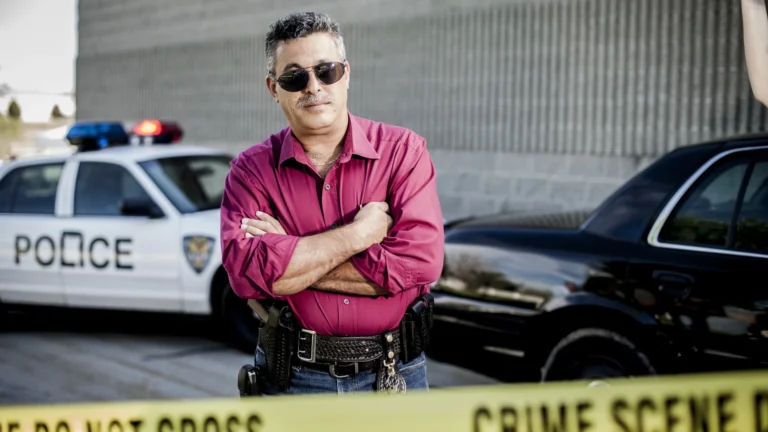
Choosing the Right Kind of Detective for Your Story
Alan Russell, Anne Cleeland, David Housewright, Sean Lynch, Stanley Trollip, and Ted Hertel compare three types of detectives: police officers, private investigators, and amateur sleuths. They discuss the strengths and limits of each, and how choosing the right kind of investigator shapes plot, tension, and reader connection.
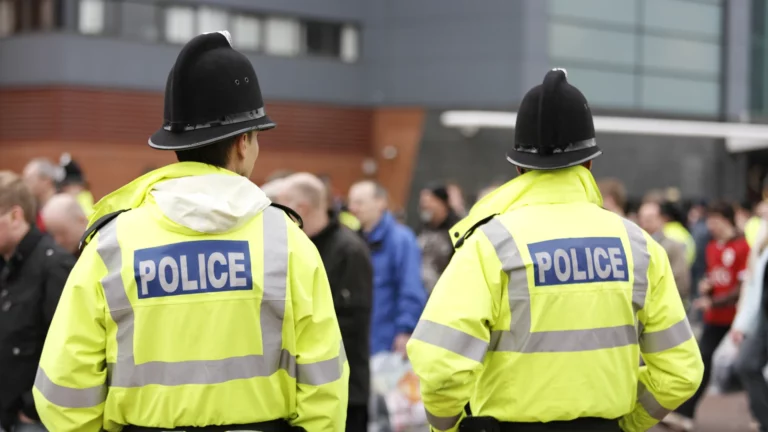
Cop Vs. Constable: How Crime Fiction Changes Across Borders
Mark Billingham, Michael Connelly, Michael Robotham, Peter James, and Sara Blædel compare how crime fiction reflects policing and justice systems around the world. They explore differences between the United States, the United Kingdom, and Europe, and how those contrasts shape plot, character, and investigative approach.

Creating Investigators Readers Trust
A great investigation starts with a compelling investigator. Chris Berg, James Glass, John DeDakis, Lynn Chandler Willis, and Mark Troy share what they have learned from writing procedurals, private eyes, noir, and journalistic crime fiction. They discuss voice, authenticity, publishing myths, and the tools and research that help writers bring believable investigations to life.
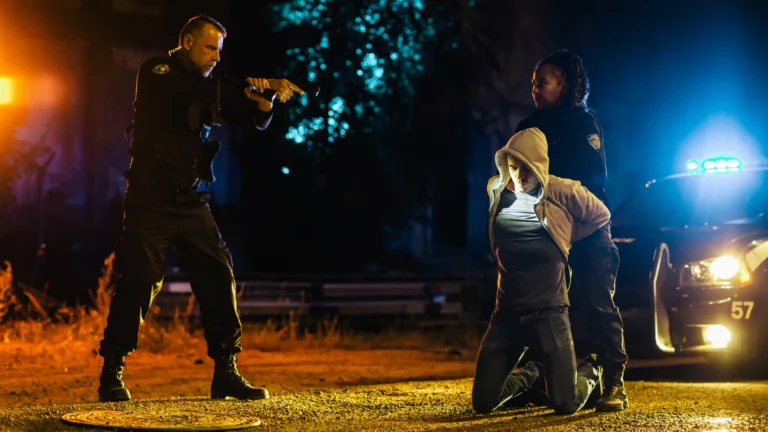
Different Shades of “Cop”: Inside the Many Faces of Police Characters
Andrew Gulli moderates Colin Campbell, Ellen Kirschman, Liz Hyder, Owen Laukkanen, and Rory Flynn in a discussion about writing police characters with depth and variety. They explore how background, ethics, and motivation shape portrayals of law enforcement and influence how readers relate to these characters.
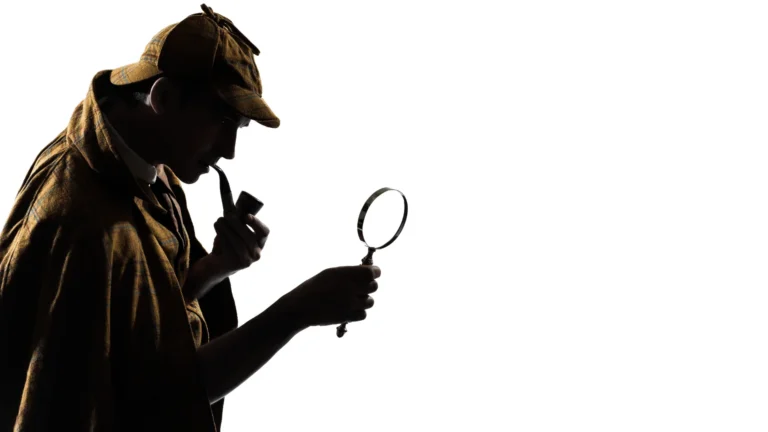
Elementary, My Dear Cleveland: Why Sherlock Holmes Never Gets Old
Leslie Klinger leads Daniel Stashower, Laurie R. King, Michael Robinson, and Sara Paretsky in an engaging conversation about Sherlock Holmes. They explore why the world’s most famous detective still fascinates readers, how his character has evolved, and what keeps Holmes relevant in modern crime storytelling.
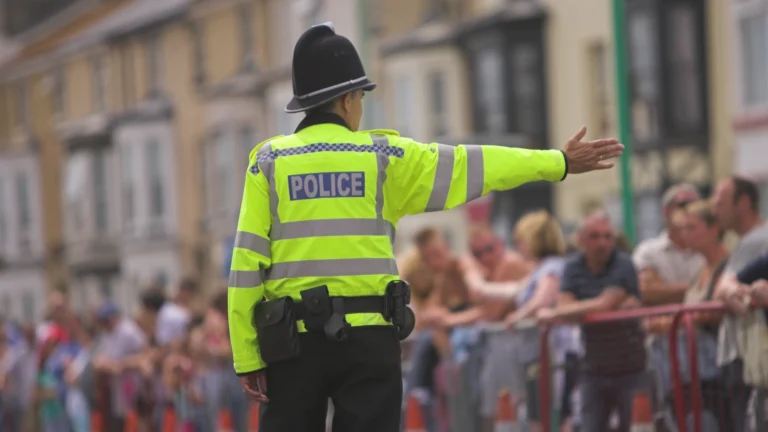
How Policing Around the World Shapes Crime Stories
Moderator Jon Jefferson Bass leads an international panel of crime writers in a discussion about how policing differs from country to country. They explore how those differences shape tone, realism, investigative structure, and the kinds of stories that can be told, offering fresh perspective for writers who want their crime fiction to feel authentic on a global scale.
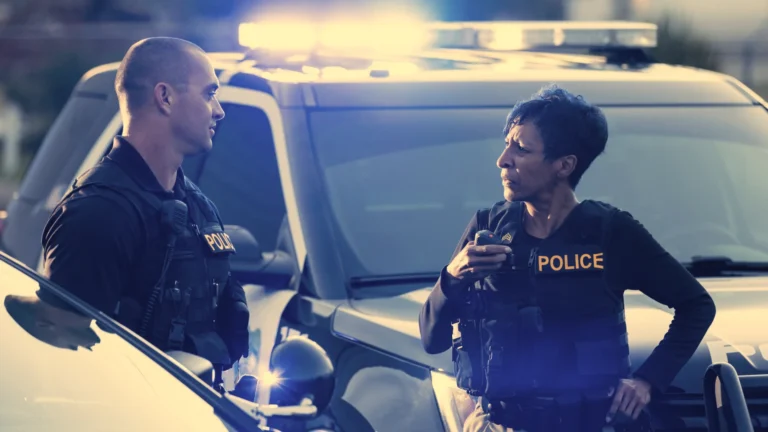
How Real Police Work Becomes Fiction
Bruce Robert Coffin, Chris Berg, Henry Kaye, James Glass, Steven Aberle, and Wendy Gee draw on their real world law enforcement experience to talk about writing police procedurals that feel authentic. They discuss crime scenes, investigative process, and the details that bring credibility and realism to stories centered on official police work.

How the Private Investigator Has Changed Over Time
Barbara Ellis, Chester D. Campbell, Randy Rawls, and Steven Womack trace the changing face of the private investigator novel. They discuss how reader expectations have shifted, how the PI archetype has adapted over time, and how modern writers balance tradition with reinvention.

How TV Forensics Changed Crime Fiction
Lisa Black, Jonathan Green, Neil Barry, and Jim Baker examine how forensic television dramas have changed crime fiction. They discuss how shows like CSI have shaped reader expectations, influenced how writers approach research, and altered the balance between scientific accuracy and storytelling.
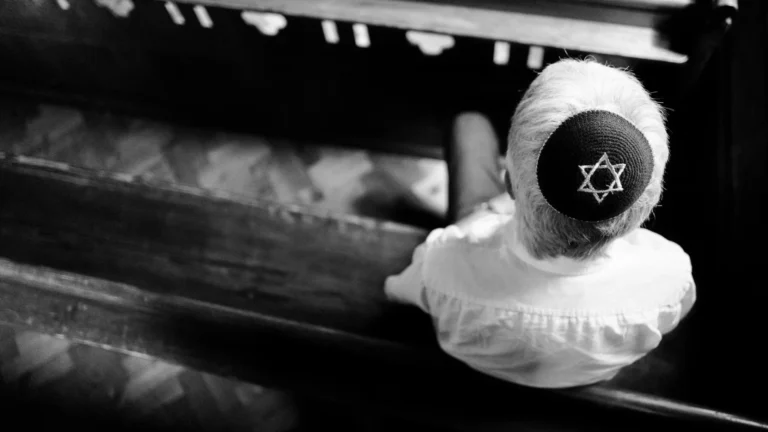
Inside Jewish Noir: Stories of Identity and Darkness
In this compelling conversation moderated by Kenneth Wishnia, contributors to the anthology Jewish Noir explore how heritage, history, and moral complexity shape their dark and powerful stories. The panel dives into the themes behind the collection, the creative challenges of writing culturally rooted noir, and why these stories resonate so deeply in today’s world.
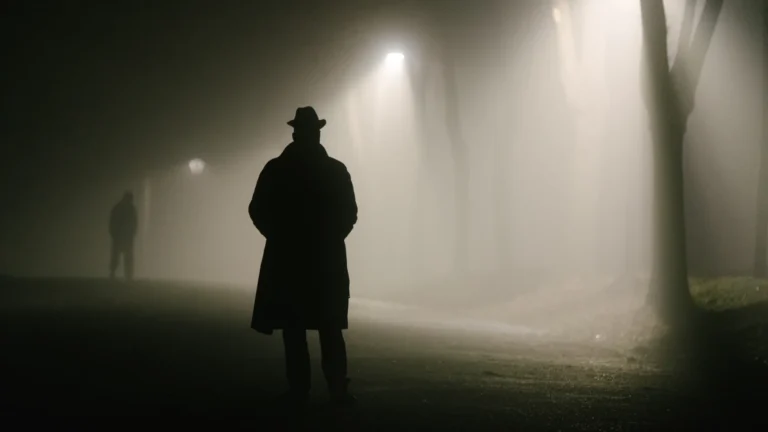
Inside the Many Faces of Noir
Avram Lavinsky, Gregory Stout, J.L. Hill, J.S. Morrison, Thomas Burns, and Warren Moore dig into what noir really means today. They explore its hardboiled roots, its modern psychological twists, and the moral complexity that gives noir its distinctive voice and lasting power.
Inside the Minds of Female Crime Solvers
Moderated by Carmen Amato, Ellie Andrews Pat and Roger Johns explore what makes female crime solvers compelling on the page. They discuss motivation, emotional depth, and how trauma, resilience, and personal history shape women who pursue justice in fiction.
Inside the Moral Darkness of Noir
Bull Warren, Dietrich Stogner, Josh Mauthe, and Michael J. Tucker dive into the dark heart of noir. They explore how setting, tone, and moral ambiguity define the genre, and discuss how writers can balance darkness, restraint, and even moments of humor without losing impact.

Inside the World of Jewish Noir
Ken Wishnia and fellow contributors discuss an upcoming anthology that brings a fresh cultural lens to noir fiction. This session explores the themes, influences, and creative choices behind Jewish Noir, examining how identity, history, and moral complexity shape these dark, character-driven stories and expand the boundaries of the genre.

Is the Private Eye Becoming Obsolete?
Richard Helms takes a close look at the private investigator in a rapidly changing world. He explores how technology, surveillance, and modern policing have reshaped detective work, and what those changes mean for the future of the PI as a literary and cultural icon.

Just the Facts: When Reporters Become the Detective
Ellen Crosby, Hank Phillippi Ryan, LynDee Walker, R.G. Belsky, and Susan Union draw on their newsroom experience to talk about writing journalists as crime solvers. They discuss investigative instincts, ethical dilemmas, and how truth seeking and deadlines create natural tension in mystery fiction.

P.I.s Coast to Coast: How Location Redefines the Private Eye
Rex Burns and Thomas B. Sawyer discuss writing private investigators across different regions of the United States. They explore how place influences character, tone, and investigative style, and how the P.I. archetype has adapted while remaining a powerful force in crime fiction.
Sleuths At Every Age: Young, Old and In Between
Mystery writers discuss creating sleuths at every stage of life, from young investigators to seasoned detectives and everyone in between. This session explores how characters are conceived, shaped, and sustained across a series, and why age, experience, and perspective matter in building compelling crime solvers readers love to follow.
Sleuths From Government Agencies
Investigators from government agencies bring a different level of authority and action to crime fiction. In this session, four authors discuss their careers in various branches of government and how those experiences influence the way they write agents, investigations, and high stakes operations.
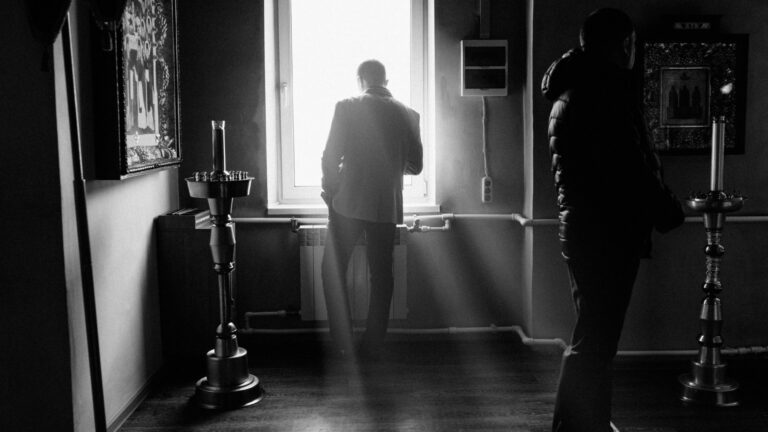
Struggling to Live in a Doomed World: Why Film Noir Still Shapes Crime Stories
This session dives into the dark, fatalistic world of classic film noir from the 1940s and 1950s. It explores the unforgettable men and women who inhabit these stories, the moral ambiguity that defines the genre, and why noir’s themes and characters continue to influence modern crime fiction.

The Crime Beat: Why Journalists Make Such Convincing Sleuths
Eugenie West, Gwen Florio, LynDee Walker, Steven Womack, and Tom Wood explore how journalism shapes mystery writing. They discuss investigative instincts, chasing leads, and how real world reporting experience helps create believable sleuths and authentic crime stories.
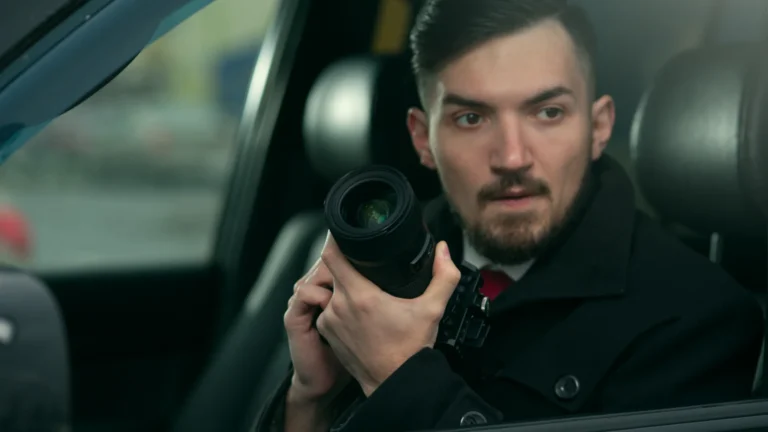
The Modern Private Investigator
Private investigators have long been staples of crime fiction, but today’s PIs often look very different from the classic stereotype. In this session, authors discuss how modern private investigators have evolved, exploring the skills, backgrounds, and challenges that shape contemporary PI characters.
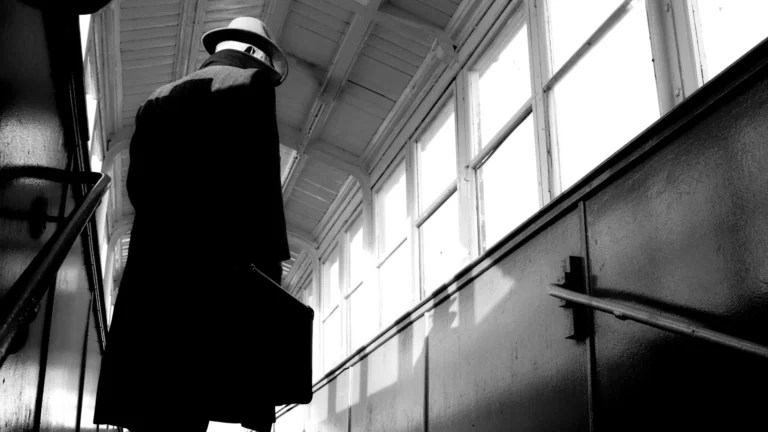
What Would Rockford Do?: The Private Eye’s Code and Why It Still Matters
Howard Shrier, Jack Blutus, Jack Fredrickson, Les Roberts, and Lisa Black celebrate the private investigator as a lasting figure in crime fiction. They discuss independence, personal codes of ethics, and why the PI continues to thrive from classic noir through contemporary thrillers.

When History Solves the Crime: Real vs. Invented Sleuths
How do you choose between creating a fictional detective or taking a historical figure and turning them into a detective? These authors have done a little of both, and they help navigate the waters of historical mysteries.

When Journalism Shapes the Perfect Murder Mystery
Moderated by Lori Chandler, Baron R. Birtcher, Bradley Harper, David Morrell, Mariah Fredericks, and Sheila Sobel discuss how journalism and mystery fiction overlap. They explore research, integrity, and character authenticity, and how journalistic discipline strengthens fictional crime storytelling.
Where Noir Meets Comfort and Cuisine
Avery Aames, Connie Archer, Karen MacInerney, Kate Carlisle, Leslie Budewitz, and Ovidia Yu explore the surprising connection between noir and culinary mysteries. They discuss how food, culture, and crime intersect to create stories that balance darkness with comfort, flavor, and distinctive voice.
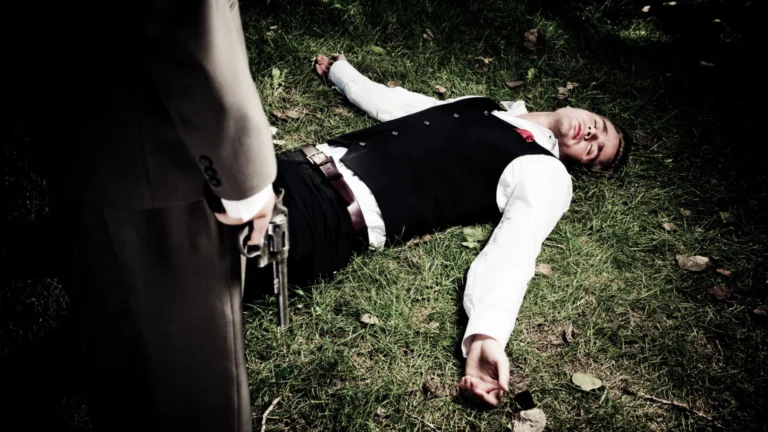
Whodunits Through the Ages: How Setting Shapes the Mystery
Mysteries may change with the times, but murder remains timeless. In this session, authors discuss the series they have written, the historical eras they chose for their stories, and how different time periods influence investigations, characters, and the structure of a classic whodunit.
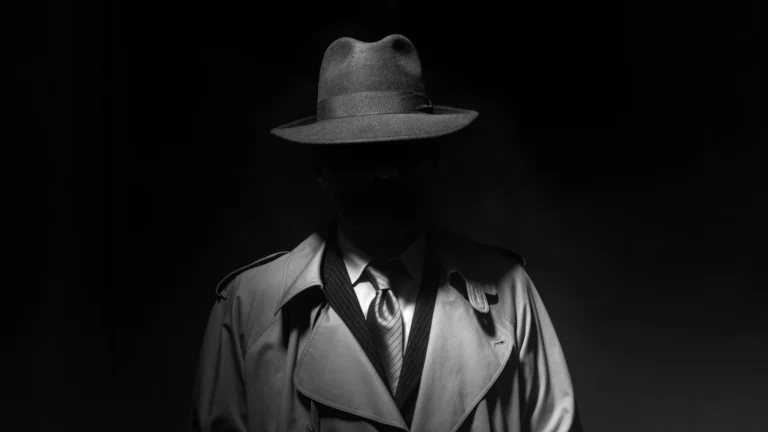
Why Noir Still Matters
Authors dig into their love of noir, tracing the films, books, and creative influences that shape the genre’s dark voice and moral complexity. This conversation explores why noir continues to captivate readers and how writers reinterpret its classic elements for modern crime fiction.
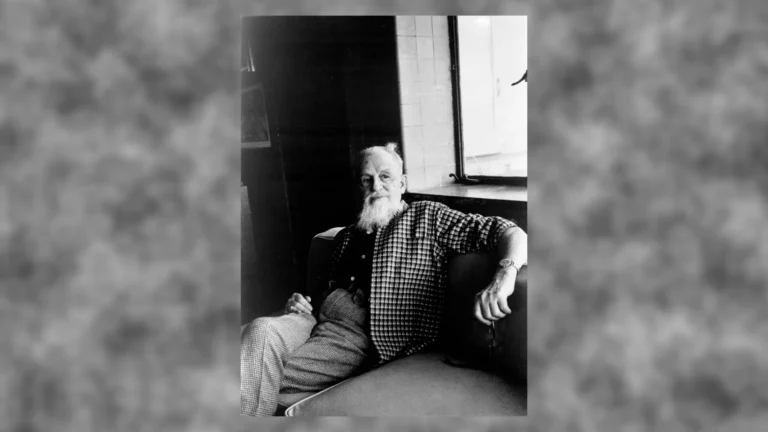
Wolfe at the Door: Why Nero Wolfe Still Matters
Dave Zeltserman, James Lincoln Warren, Jane K. Cleland, Linda Landrigan, and Ronald Cartmell explore the lasting influence of Rex Stout and his brilliant detective Nero Wolfe. They discuss what makes Wolfe such an enduring character and how his methods, personality, and world continue to inspire modern mystery writers.

Writing Detectives Through a Gendered Lens
Diane Sismour, James L’Etoile, and Jane B. Lee examine how gender influences the way detectives are written and perceived. They discuss authenticity, bias, and the subtle choices that make male and female investigators feel distinct, believable, and equally engaging.

Writing the Investigator: Designing the Perfect Crime Investigator
Bruce Robert Coffin, James L’Etoile, K.L. Murphy, Marcy McCreary, Michael Bradley, and Royce Wilson explore the many forms an investigator can take. They discuss how their characters were created, what separates the major subgenres, and how to write investigators who feel flawed, human, and convincingly real.

Writing Women Who Wear the Badge
Moderated by John Billheimer, Allison Brennan, Deborah Crombie, Karin Salvalaggio, Kendra Elliot, and Naomi Hirahara discuss writing women in law enforcement. They explore authenticity, professional challenges, and how real world experience informs believable female characters who wear the badge.