
Genre Writing
Crime Fiction

Crime fiction examines justice, morality, and the human cost of wrongdoing. This certificate program explores criminal psychology, investigative structure, realism, and the societal forces that shape both crime and consequence.
Courses

Across the Pond: Inside British and Irish Crime Fiction
Peter James, Stuart Neville, and Val McDermid share insights into their writing lives and current projects. They discuss the similarities and differences between British and Irish crime fiction, and how history, culture, and place shape their distinct storytelling traditions.
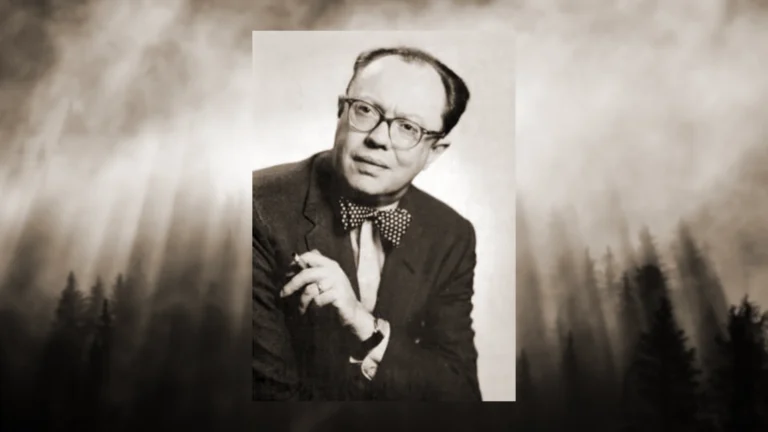
Anthony Boucher and the Roots of Modern Mystery Fiction
John R. Trimble, Julie Moffett, and Lawrence Light reflect on the life and influence of Anthony Boucher, exploring his impact on mystery and science fiction as both a groundbreaking writer and an influential critic.

Beyond the Classics: How Crime Fiction Has Evolved
Dashiell Hammett, Raymond Chandler, and Mickey Spillane helped define modern crime fiction. In this session, authors explore how the genre has evolved beyond these foundational voices, examining how today’s writers build on their legacy while introducing new styles, themes, and perspectives.
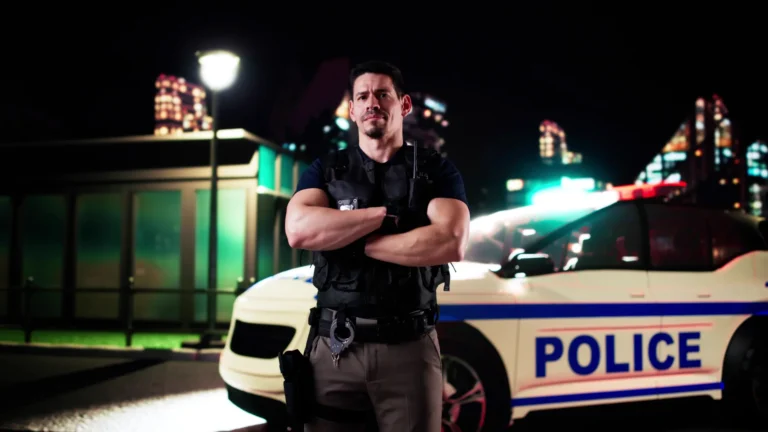
Cops and Crime in The Big City: Writing Police Procedurals
In this session, authors discuss why they chose to write police centered crime stories, how they researched law enforcement, and which books and writers have influenced their approach to portraying crime in the big city.

Crime Fiction as a Mirror of Society
Crime novels do more than entertain. They hold a mirror up to society. In this conversation, authors explore how crime fiction reflects social realities, exposes injustice, and engages with the cultural moment it’s written in. They discuss why they choose crime as a lens for storytelling and what they hope readers take away beyond the final reveal.

Crime in Tinseltown: Hollywood Secrets and High-Stakes Crime
Diana Gould, Melodie Johnson Howe, and Sheila York pull back the curtain on Hollywood as a setting for crime fiction. Drawing on insider experience, they explore how fame, illusion, ambition, and power create fertile ground for suspense, secrets, and high-stakes drama.
Crooked Lane Books: Meet the Next Generation of Crime Writers
Les and Leslie Blatt, joined by the editorial director of Crooked Lane Books, introduce a wide range of new authors across cozy mystery, noir, thriller, and crime fiction. In this session, they share insights into discovering fresh talent and offer practical advice for writers looking to debut their work and break into the publishing industry.

Does Evil Exist?: Writing Crime Through the Lens of Evil
Daniel Woodrell, John Connolly, Laura Lippmann, and Peter James tackle one of crime fiction’s biggest questions. They explore what evil really means, where it comes from, and how grappling with morality helps writers create more believable characters and more powerful stories.

Exploring the Human Condition in Crime Fiction
Jamie Mason, Maggie Toussaint, Mike Tabor, and Sallie Bissell explore the emotional and psychological forces that power crime fiction. They discuss moral complexity, motivation, and the inner lives of both heroes and villains, showing how crime stories reflect the darker corners of human nature.

Fidelity, Infidelity: Loyalty and Betrayal in Crime Stories
This session takes a close look at fictional detectives through the lens of loyalty and betrayal. Using John Sandford’s Prey series as a case study, the discussion explores how fidelity and infidelity shape character motivation, relationships, and the choices that drive crime and mystery plots.
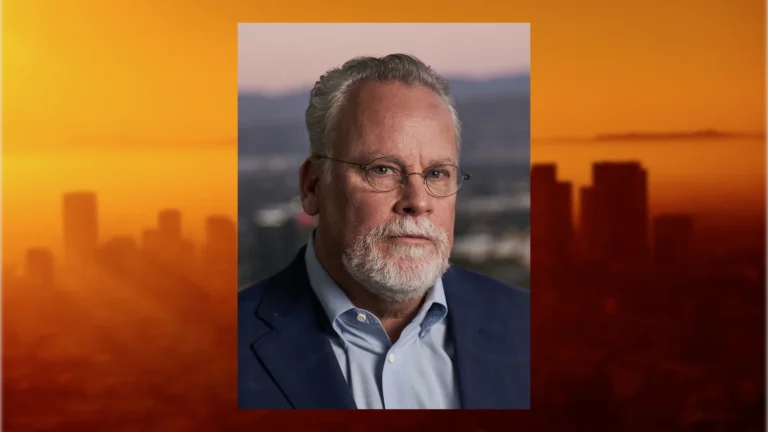
From Journalism to Bestseller: Michael Connelly in Conversation
Investigative journalist Sebastian Rotella sits down with bestselling author Michael Connelly for a candid conversation about crime fiction, journalism, and the craft of storytelling. They discuss building long-running characters, drawing from real-world experience, and what it takes to sustain a successful writing career. This session offers rare insight into the mindset and process of one of the genre’s most influential voices.
From Pulp to Literary: The Spectrum of Crime Writing
What separates literary crime fiction from its pulp roots, and where do the two traditions overlap? In this lively discussion, Christopher Sikorski leads mystery authors in exploring the stylistic differences, shared DNA, and enduring influence of both approaches. From character depth and language to pacing and plot, the panel examines how literary and pulp traditions continue to shape modern crime writing.

From the Newsroom to the Novel
Bruce DeSilva, Carolyn Hart, Craig McDonald, Julie Kramer, and Sara Blædel talk about the leap from journalism to fiction. They discuss how reporting sharpened their sense of realism, detail, and setting, and how truth learned on the job strengthens storytelling on the page.

Getting the Details Right in Crime Fiction
Accuracy can make the difference between a believable story and one that falls apart. In this session, panelists discuss their paths to becoming writers, how they develop and plot their books, and the research and attention to detail required to create convincing crime fiction.

Great Scot! Why Scotland Makes Such Dark Crime Stories
Alexandra Sokoloff talks with Caro Ramsay, Catriona McPherson, Craig Robertson, and James Oswald about writing crime fiction rooted in Scotland. They discuss how place influences mood, morality, and storytelling, and why Scottish crime fiction has such a distinct and powerful voice.

How Are the Various Genres of Crime Different and How Are They Similar?
Steven Womack, Chester D. Campbell, Maggie Toussaint, and Sheila L. Stephens break down the many branches of crime fiction, from cozy mysteries to noir, romantic suspense, and thrillers. They explore how tone, pacing, character, and reader expectations change from subgenre to subgenre, while also revealing what all crime stories share at their core.
How Crime Fiction Works Across Cultures
Jeffrey Siger, Lisa Brackmann, Peter Rozovsky, and Stanley Trollip discuss the global scope of crime fiction—how international settings deepen narrative complexity and reveal universal truths about justice and culture.
Inside the Mind and Work of Dashiell Hammett
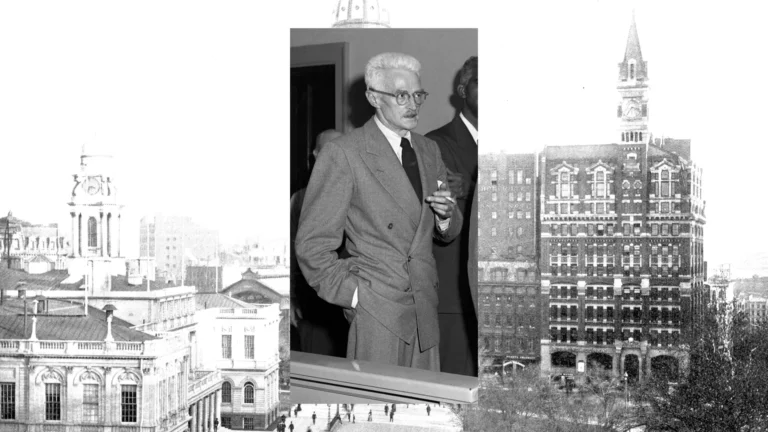
Explore the life, creative process, and lasting influence of Dashiell Hammett. In this session, authors and scholars examine his work, his impact on the crime genre, and the storytelling techniques that continue to shape crime fiction today.

Inside the Rise of Irish Crime Fiction
Eoin Colfer, Erin Hart, Erin Mitchell, John Connolly, and Stuart Neville reflect on the rise and evolution of Irish crime fiction. They discuss history, culture, and national identity, and how stories rooted in Ireland have found a strong and distinctive voice on the global crime fiction stage.
John Connolly on Darkness, Psychology, and the Power of Place in Crime Fiction
Karin Slaughter interviews John Connolly in a compelling discussion that explores the darker edges of crime fiction, the nature of evil, and how setting and psychology shape suspenseful storytelling.

Keeping Crime Fiction Believable
Dan Barden engages with different crime authors to explore the similarities among the characters in their novels, aDan Barden, Catherine Astolfo, Julian Lindsey, Maggie Sefton, and Will Lavender focus on what keeps a mystery story grounded. They discuss how to create believable characters, credible plots, and convincing twists while still delivering tension and excitement.with each author providing detailed descriptions of their protagonists.
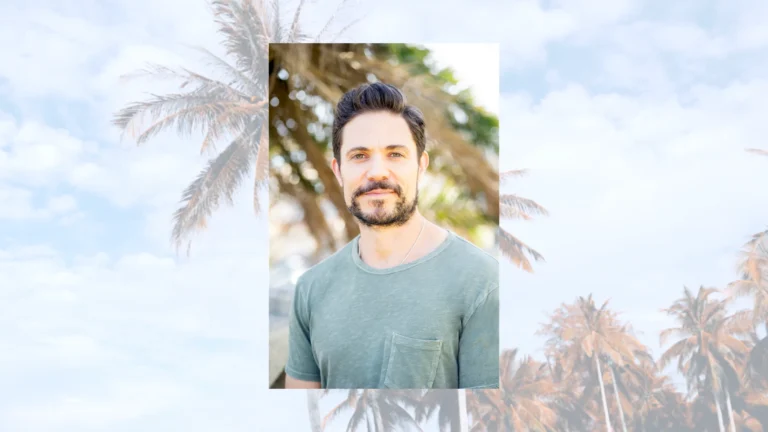
Kemper Donovan on Story, Hollywood, and the Enduring Power of Agatha Christie
Lisa Malice shares her journey from aspiring writer to published author, followed by an in depth conversation between Clay Stafford and Kemper Donovan. Together they explore his background in Hollywood, his podcast All About Agatha, and the lasting influence of Agatha Christie on his writing.

Make the Sun Shine: Choosing the Right Crime Subgenre for Your Story
Adrian Magson, Jeri Westerson, John McGorren, Jon McGoran, Kelli Stanley, Tasha Alexander, and Timothy Hallinan explore the wide range of crime fiction subgenres. They discuss how subgenre choices shape a writer’s career, influence tone and style, and require different approaches to character, setting, and plot.
Murder Under the Oaks: Inside the Southern Crime Anthology
This session highlights the Murder Under the Oaks anthology, a collection of crime stories steeped in Southern atmosphere. Authors discuss their contributions, the themes explored, and what makes regional mysteries set in the South so compelling and distinctive.

Names of Angels: What Makes Crime Fiction a Classic
Andrew Grant, Bruce DeSilva, Carl Brookins, Matthew C. Funk, and moderator Jason Pinter take a close look at what turns crime fiction into a classic. They debate how classics are defined, what makes certain characters and stories endure, and how those works continue to shape modern crime writing.

New Voices in Crime Fiction
Author Paul Marks leads a conversation with emerging writers about their work, the challenges they face, and the opportunities shaping today’s publishing landscape. The panel explores new trends in crime fiction, including cross genre storytelling and how fresh voices are redefining the genre.

O Canada: The Dark Side of Canadian Crime Fiction
Robin Spano, Anthony Bidulka, John McFetridge, Lou Allen, and Rick Blechta take a close look at Canadian crime fiction. They talk about breaking past cultural stereotypes, exploring darker corners of the country, and how moral complexity and place shape stories that feel distinctly Canadian and universally compelling.

Strange Love: Why Do We Love Murder?
Kelli Stanley, Lauren Willig, Lynn Sheen, Tasha Alexander, and Tracy Kiely examine why murder is such a powerful force in fiction. They discuss how death drives plot, deepens relationships, and exposes human truths, with special attention to strong women characters in historical mysteries.

Technology, Science, and Crime Fiction
Advances in science and technology continue to shape the way crimes are committed and solved. In this session, authors discuss how scientific discoveries, forensic techniques, and questions of bioethics influence modern crime fiction and the stories they choose to tell.

The Crime Books Every Writer Should Read
Otto Penzler joins Eileen Rendahl, Harriet Logan, Jim Kling, and Larry Light to talk about the crime and mystery books every writer should know. They discuss the titles that define the genre, why these stories endure, and how reading the best work can shape and inspire a writer’s own journey.

The Dead Man Behind the White Picket Fence
What lies beneath the perfect exterior? This panel explores the symbolism of the white picket fence as a boundary between appearance and truth, examining how crime fiction exposes the darkness hidden within seemingly safe communities.

True Grit: Why Grit Matters in Crime Stories
Jack Stallings, David John, Jonathan Woods, and Bill Loehfelm talk about what draws them to crime fiction. They explore the inspirations behind their work, the appeal of moral complexity, and why grit, realism, and hard choices sit at the heart of the genre.

Turning Real World Experience Into Crime Fiction
Moderated by Emily Krump, this panel explores how real world careers shape crime fiction. Carey Baldwin, Danielle Bartlett, Kristi Belcamino, and Nancy Allen discuss how their backgrounds in law and justice influence plot, character, and authenticity in mysteries and thrillers.
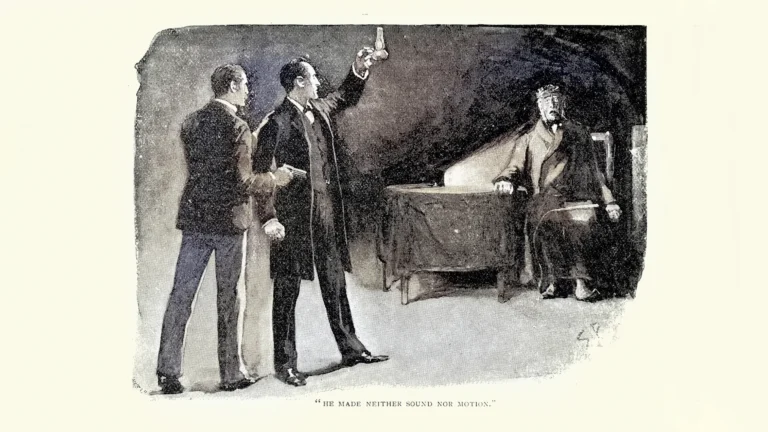
Under the Shadow of Holmes and Watson
This discussion explores the lasting influence of Sherlock Holmes and Dr. Watson on crime fiction. Authors examine how these iconic characters have shaped detective stories and inspired new interpretations and partnerships in modern narratives.
Visceral Crime Fiction: How Far Is Too Far?
Crime fiction often explores intense and graphic subject matter, but where should writers draw the line? In this session, authors discuss how far they go when depicting violence, the balance between impact and restraint, and the challenges of writing visceral scenes that engage readers without overwhelming them.
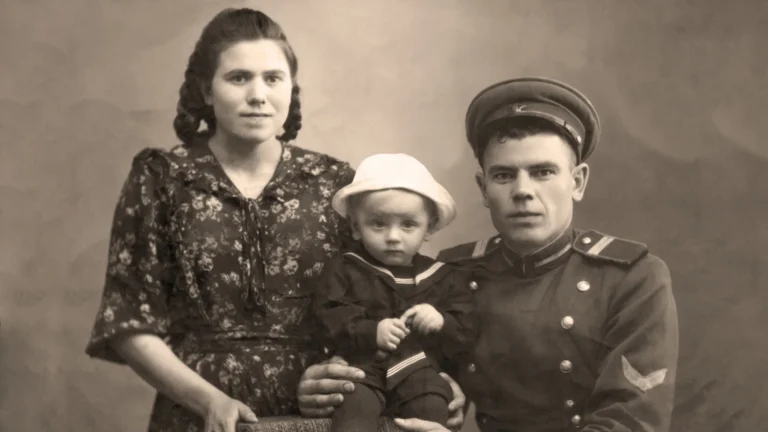
Wartime in Crime Fiction
War reshapes everything, including the criminal world. In this powerful discussion, authors explore how conflict, occupation, and political upheaval create fertile ground for crime fiction. They examine how wartime pressures transform ordinary people, blur moral lines, and raise the stakes for justice. Discover how history’s darkest moments can fuel gripping, emotionally charged stories.
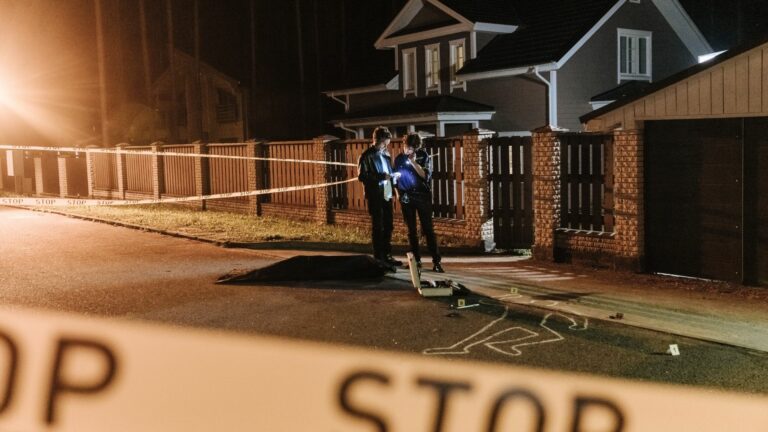
What Police Work Really Looks Like in Crime Fiction
Brent W. Warberg, Chuck Ambrose, Ernest Lancaster, Jackie Moore, and Jan Walters draw on their careers in law enforcement to show how crime fiction really works. They discuss police culture, investigative procedure, and the small details that make fictional cases feel authentic and believable on the page.
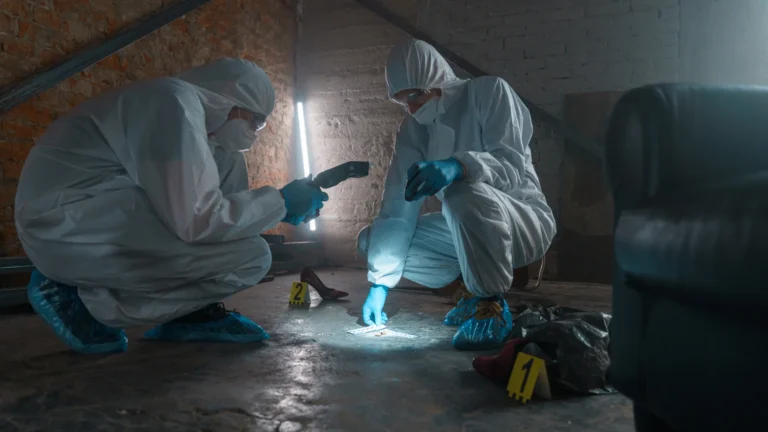
Where It Begins: How Crime Stories Find Their First Clue
Cathi Stoler, Don Bruns, John Lutz, Rick Mofina, Sheila Connolly, and Steve Hamilton break down how crime stories begin. They discuss where ideas come from, how to shape that first clue, and how to build a trail of evidence that keeps readers turning pages.
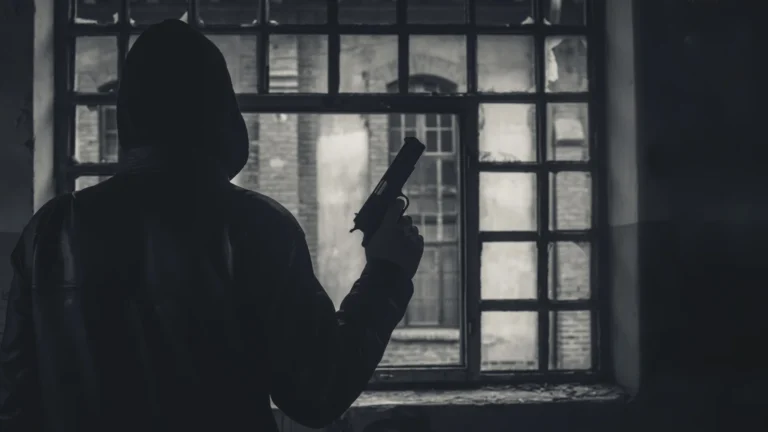
Why Readers Love Gritty Crime Fiction
In this gritty conversation, Eric Beetner and fellow authors explore the appeal of hard-edged crime stories that refuse to pull their punches. They discuss what makes a story feel raw and authentic, how to balance brutality with purpose, and why readers are drawn to darker, tougher tales that live on the edge of the genre.

Writing Crime Fiction Before and After the Internet
Author Brian Panowich leads a discussion on writing mysteries and thrillers in a world before and after the internet and smartphones, exploring how technology affects plot, pacing, investigations, and the choices writers make today.
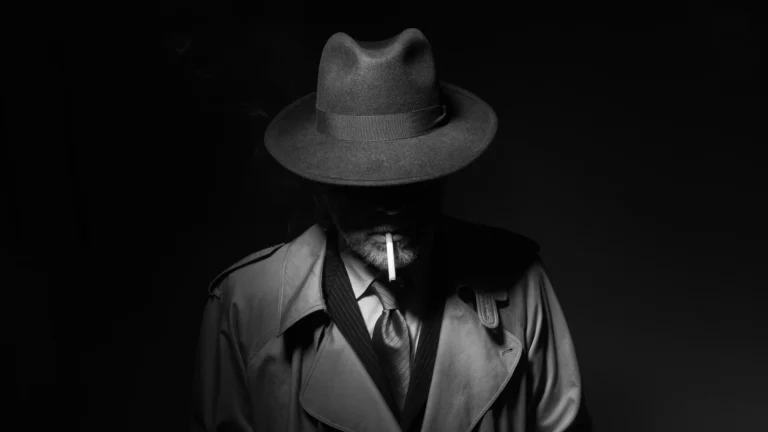
Writing the Southern Noir: Crime Fiction and a Regional Soul
Gregory Stout, Jim Nesbitt, Poppy Gee, Roy Hiller, Steven Womack, and Thomas A. Burns Jr. dig into what gives Southern Noir its unmistakable power. They discuss how place, culture, history, and moral tension shape crime stories rooted in the American South, and how capturing regional voice can deepen character, conflict, and authenticity.

Young Voices in Crime Fiction
Crime fiction with youthful protagonists brings fresh perspective and emotional intensity to the genre. In this session, authors discuss writing stories centered on younger characters, exploring themes of morality, rebellion, and coming of age while maintaining the tension and stakes of crime storytelling.