Characters
Villains and Antagonists
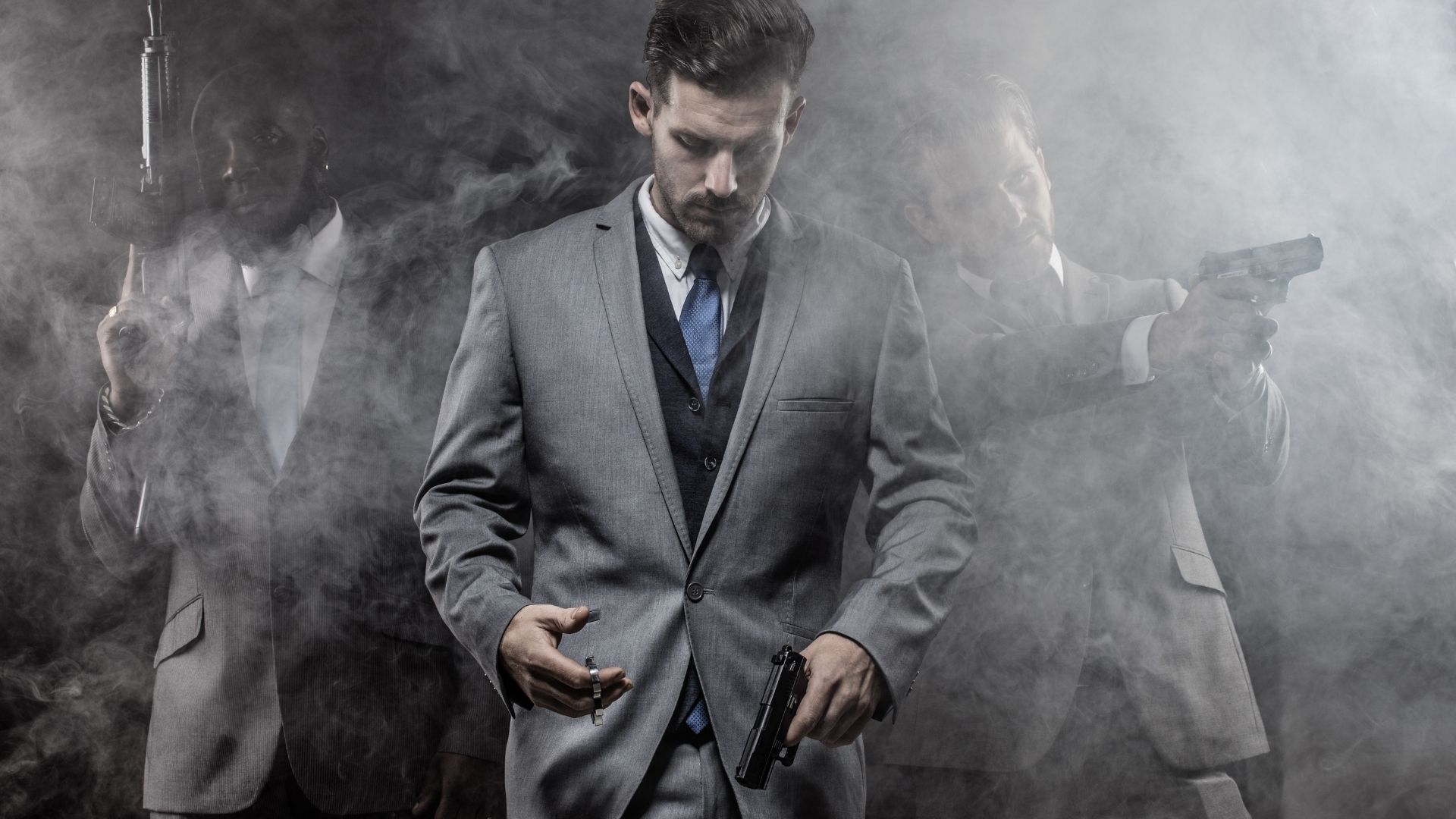
A strong antagonist elevates the entire story. This certificate program explores how to craft multidimensional villains with clear motivations, internal logic, and emotional depth. Discover how powerful opposition creates tension, raises stakes, and forces your protagonist to grow.
Courses
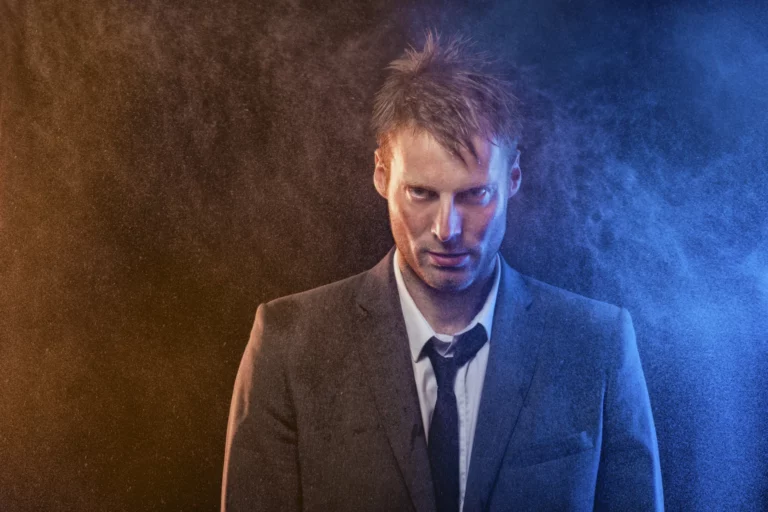
Building a Villain Who Feels Human
Bruce Robert Coffin, D.E. Funk, Jim Nesbitt, Roger Johns, Shaun Assael, and Shirley B. Garrett explore what makes a villain truly compelling. They discuss motivation, psychology, moral ambiguity, and the challenges of writing complex antagonists who feel authentic and human.

Crafting Villains and Voice with Gregg Hurwitz, Linwood Barclay, and Lisa Unger
Erin Mitchell sits down with Gregg Hurwitz, Linwood Barclay, and Lisa Unger for an engaging conversation about their creative evolution, how they craft memorable villains, and the tonal shifts that have shaped their writing careers.

Inside the Criminal Mind
James L’Etoile explores how to create authentic criminals in fiction by drawing on real-world crime and human behavior. He examines how history, psychology, and motivation shape believable antagonists and offers insight into building characters that feel grounded and real.

Inside the Mind of a Dangerous Character
This session explores how to create villains who feel both believable and unforgettable. Drawing on real-world law enforcement experience, the speaker explains how motivation, psychology, and moral complexity can elevate antagonists and deepen the emotional stakes of a story.

Inside the Psychology of a Villain
Jule Selbo, Kimberly Dana, Kit Sanders, Sandy Clements, Sateash Hime, and T.O. Paine explore the psychology behind villainy. They discuss how motivation, personal history, and internal logic can shape antagonists who feel complex, human, and unforgettable.
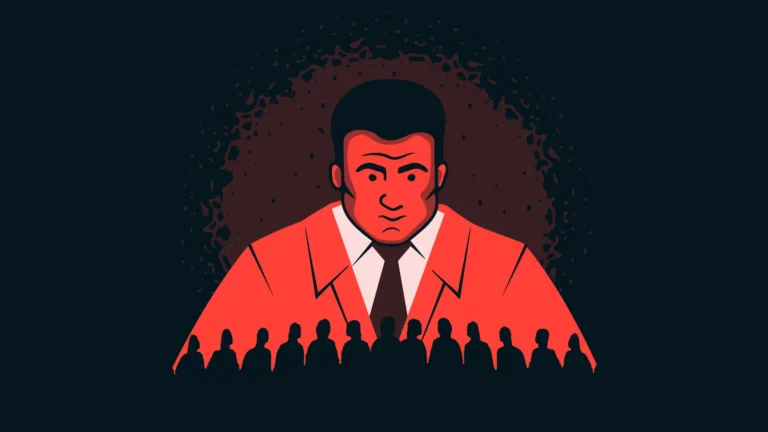
Power, Strategy, and the Art of the Villain
T.O. Paine explores how the principles from The 48 Laws of Power can shape complex and strategic villains. He discusses how intellect, manipulation, and ambition can deepen conflict and raise the stakes of a story.

The Anatomy of an Unforgettable Villain
J.L. Delozier, Jacob Moon, Jane B. Lee, Randy Weir, S. Lee Manning, and T.M. Clark explore what makes a villain not just evil but unforgettable. They discuss character traits, point of view, empathy, and backstory, revealing how a well-crafted antagonist can deepen conflict and draw readers deeper into the story.

The Perfect Match: Hero vs. Villain
In this engaging discussion, authors explore how they design antagonists who challenge, mirror, and expose the deepest flaws of their protagonists. From psychological battles to moral contrasts, they reveal how the right pairing raises the stakes and transforms a simple conflict into an unforgettable showdown.
The Power of the Antagonist
This session explores how to craft powerful antagonists and the conflicts that define them. It offers guidance on creating multidimensional villains whose motivations and choices drive the story forward with tension and emotional depth.

What Makes a Villain Feel Real
James L’Etoile, Jim Nesbitt, John Carenen, Les Edgerton, Randy Weir, and Venita Bonds explore what makes a villain feel real on the page. They discuss motivation, psychology, and the delicate balance between darkness and empathy that keeps readers invested in the story.
Where Heroes and Villains Collide
Mark Billingham leads a lively discussion with John Locke, Martyn Waites, R.J. Ellory, and Stephen Leather about what defines a hero and what makes a villain compelling. They explore the blurred lines between the two and how those tensions strengthen storytelling.

Why We Love the Villain
Angela K. Durden, Charles Kowalski, Jim Nesbitt, Linda Sands, Max Allan Collins, and Reavis Z. Wortham explore what makes villains unforgettable. They discuss complexity, motivation, and the qualities that turn antagonists into some of the most memorable characters in fiction.
Writing Villains Kids Will Never Forget
Kimberly Dana explores how villains function in children’s stories, examining why they matter, what makes them memorable, and how writers can balance darkness with imagination and delight for young readers.