
Writing Craft
Setting and Location
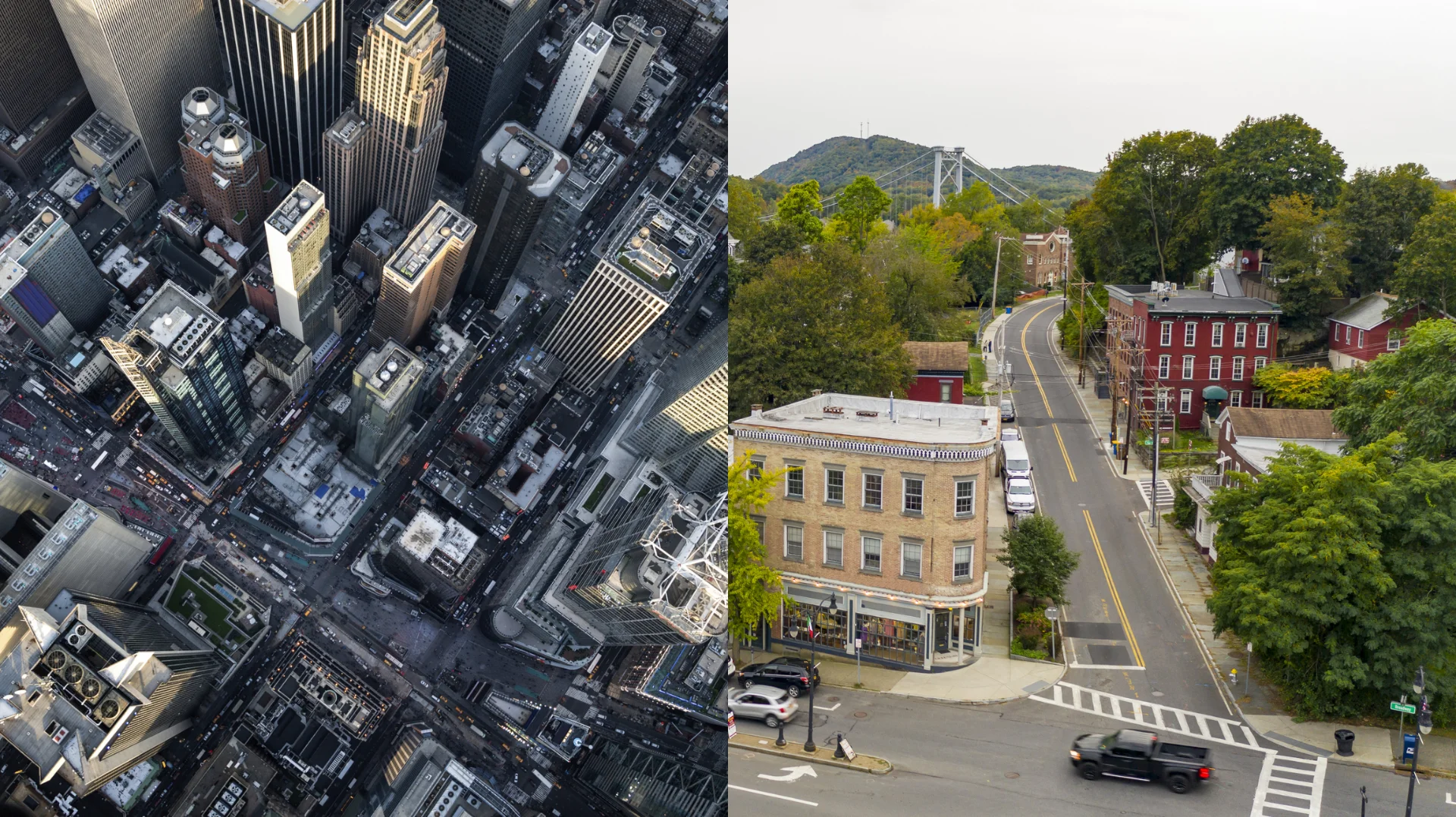
Setting shapes atmosphere and influence. This certificate program examines world building, environmental detail, and how location interacts with character and conflict.
Courses

Behind the Bar: Crime, Confessions, and Cocktails
Bars are where secrets slip, alliances form, and trouble finds its way to the counter. In this lively panel, authors explore how bars, booze, and bartender protagonists become powerful engines for plot and character. From overheard confessions to front-row access to crime, the discussion reveals why these settings create natural tension and unforgettable story moments.
Belfast Noir: Crime Shaped by Place
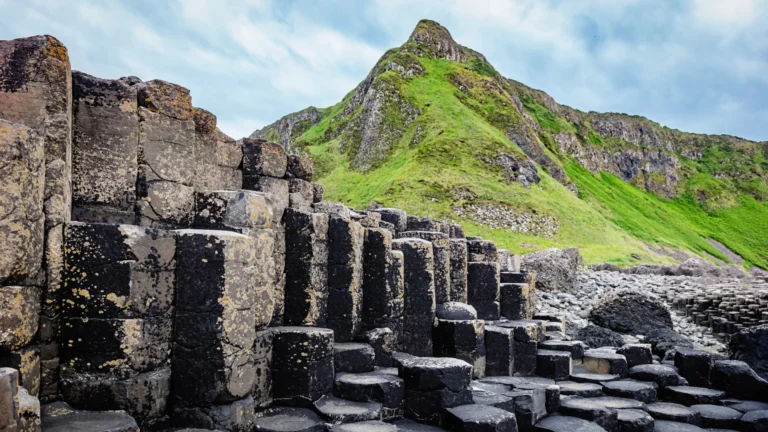
Three authors explore the rise of Belfast Noir and what makes the city such a powerful setting for crime fiction. Drawing from their own novels and a Belfast-based short story collection, they discuss how history, politics, and place shape stories of murder and mayhem, and why Belfast continues to inspire dark, unforgettable narratives.
Big City Menace vs Small Town Secrets
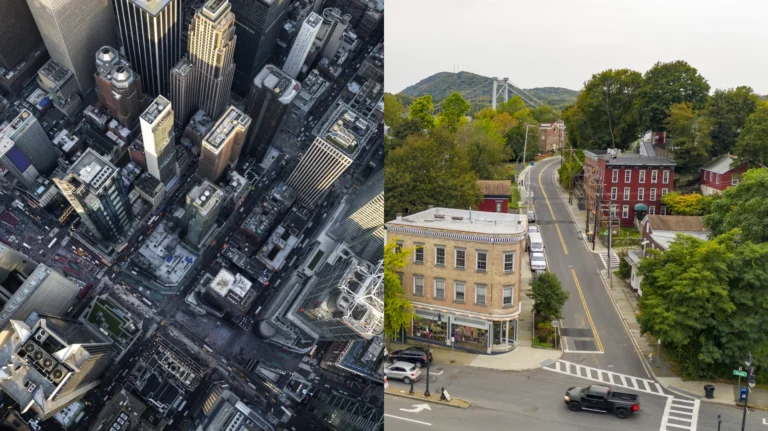
In this lively, all-female panel, authors explore how setting shapes suspense, character, and tone. They compare the anonymity and chaos of urban crime with the intimacy and buried secrets of small communities, revealing how each environment creates its own kind of menace.

Choosing Locations that Raise the Stakes
The right setting can intensify emotion and sharpen conflict. This session explores how to choose locations that naturally raise stakes, deepen tension, and quietly influence character behavior in every scene.

Creating Believable Worlds from the Ground Up
World building is about more than maps and rules. Learn how to create immersive settings with internal logic, emotional weight, and consistency that keeps readers fully engaged.
Crime in the Metropolis
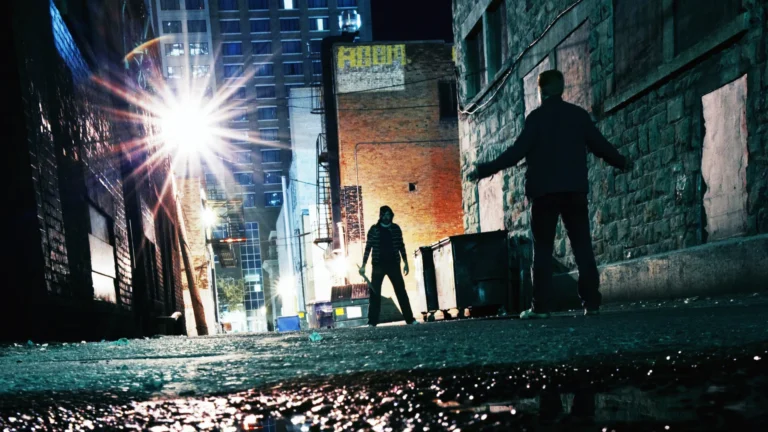
In this conversation led by Patricia Abbott, authors who write urban crime stories explore how metropolitan settings shape plot, character, and atmosphere. They discuss the unique tensions of city life and how crowded streets, hidden corners, and constant motion create fertile ground for unforgettable mysteries.
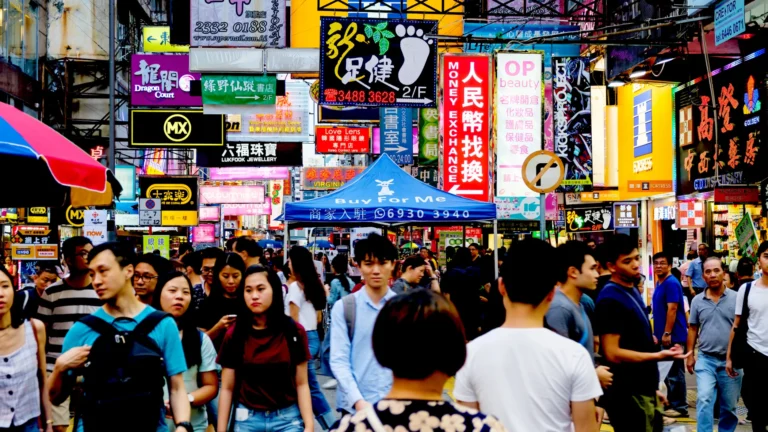
Crimes Across Asia: Setting as Story
From bustling cities to remote landscapes, Asia offers a rich and complex backdrop for crime fiction and thrillers. In this panel, authors discuss how Asian settings, history, and cultural dynamics shape plot, character, and suspense. They explore the challenges and rewards of writing authentically about place, and how these locations add layers of tension, mystery, and atmosphere that readers can’t get anywhere else.

Designing Settings that Anchor Emotion
The right setting does more than frame a story. Learn how to create environments that support emotion, reinforce theme, and anchor your narrative in sensory detail.

Fish Out of Water: Crime Across Worlds
Authors explore writing crime stories that unfold between cultures and worlds. This panel focuses on “fish out of water” narratives, examining how unfamiliar settings, traditions, and perspectives heighten tension and draw readers into new cultures, times, and places while keeping the story grounded and accessible.

Globalization of Crime Fiction
Crime fiction no longer belongs to one place or culture. Discover how international influences are shaping modern crime stories, and learn how to write across borders while avoiding stereotypes and maintaining authenticity.
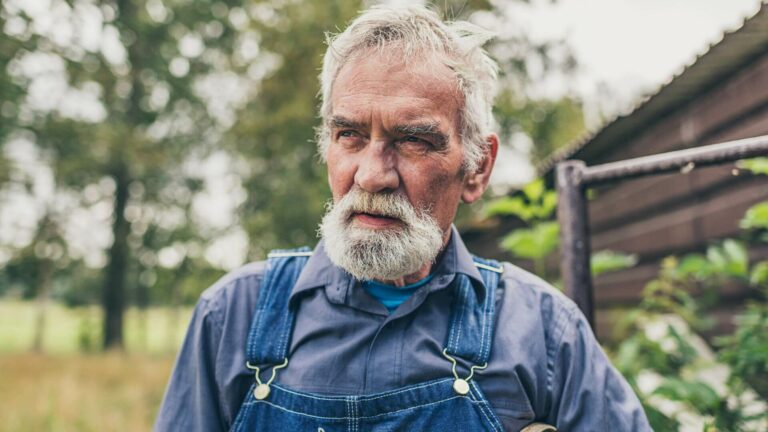
How Place Creates Character
Characters do not exist in a vacuum. This session explores how environment shapes personality, values, and choices, and how the right setting can naturally create characters who feel deeply rooted and impossible to separate from their world.
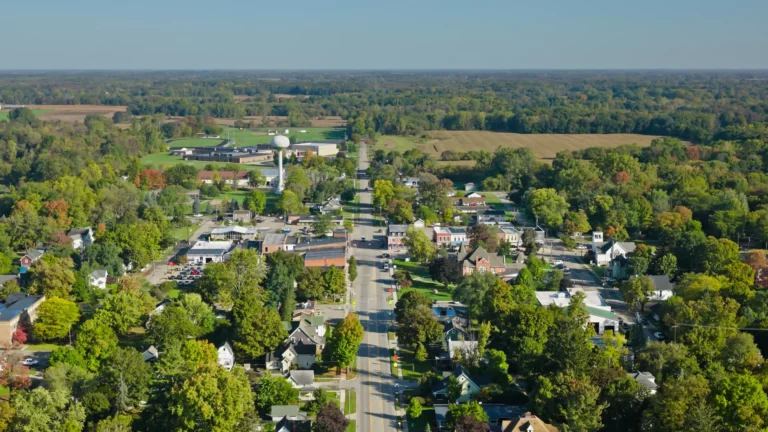
How Place Shapes Story, Voice, and Perspective
Brenda Donelan, Chris Kelsey, Debra Gaskill, Elena Hartwell, Holly McClure, and Sharon Hopkins explore how place influences storytelling. They reflect on the contrasts between rural and urban life and how setting shapes voice and perspective.

International Crime: Writing Across Cultures
Cultural differences can shape every aspect of a crime story. In this session, authors discuss how writing across cultures influences their plots, characters, and investigations. Panelists explore the challenges and opportunities of incorporating international perspectives and cultural details into crime fiction.
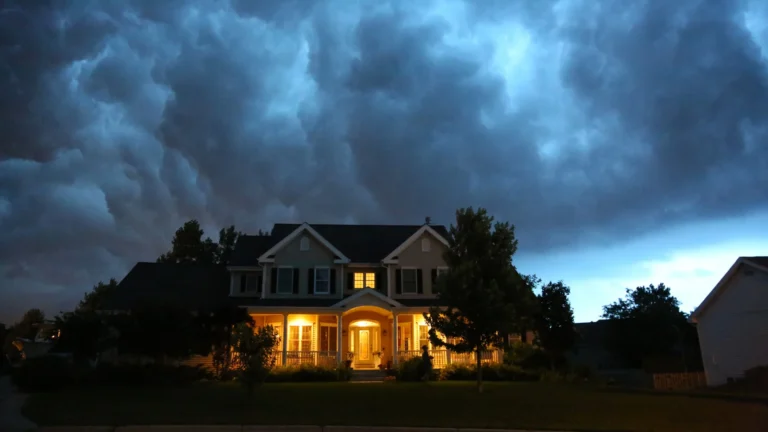
Location as the Engine of Suspense
Where a crime happens can shape everything that follows. In this thoughtful discussion, crime fiction authors explore how location influences plot, character behavior, and the emotional tone of a story. From quiet neighborhoods to dangerous streets, they reveal how the right setting can intensify suspense and turn a simple crime into a powerful narrative.

Los Angeles as Crime Fiction’s Most Dangerous Character
Los Angeles is a city of beauty, danger, and contradiction. This panel explores how writers use its neighborhoods, cultures, and hidden corners to fuel crime fiction and turn the City of Angels into a vivid and complex character on the page.

Making Setting an Unforgettable Part of Mystery
A strong setting can elevate a mystery into something unforgettable. Learn how to research unfamiliar locations, write convincingly about places you have never visited, and turn setting into an active force in your story.

Master Class – Setting, Sidekicks, and Secrets
This in depth session explores three elements that elevate fiction. Learn how to create immersive settings, memorable supporting characters, and perfectly timed revelations that keep readers hooked.

Mastering the Setting
Great stories are anchored in place. Learn how atmosphere, mood, and location reflect theme and identity, and how mastering setting strengthens every layer of your narrative.
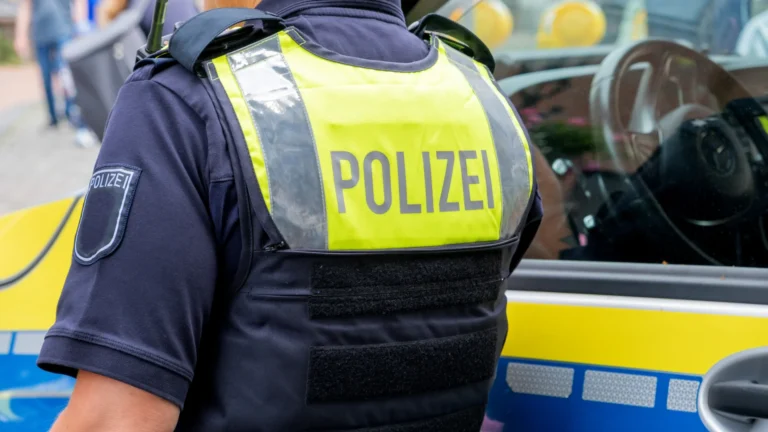
Murder Around the World: Writing International Crime Settings
International settings can add depth, atmosphere, and intrigue to a mystery. In this session, panelists discuss the global locations featured in their crime novels and how culture, geography, and local history influence their plots, characters, and investigations.
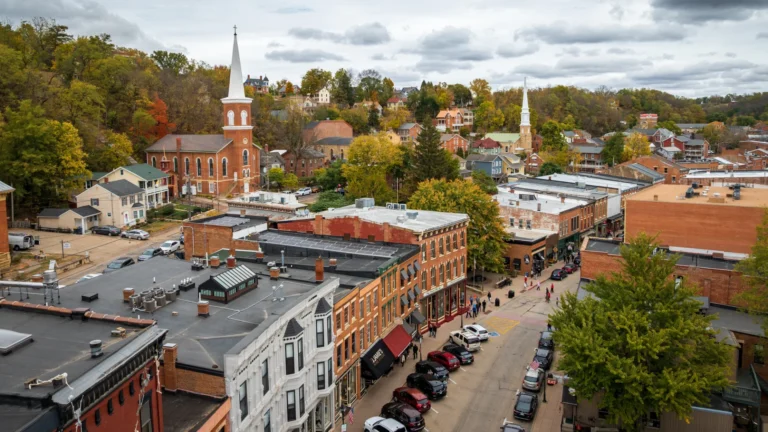
Murder Behind the White Picket Fence
Small towns may look peaceful on the surface, but beneath that charm lie secrets waiting to explode. In this engaging conversation, a panel of suspense and thriller authors explore why intimate settings create such powerful tension.
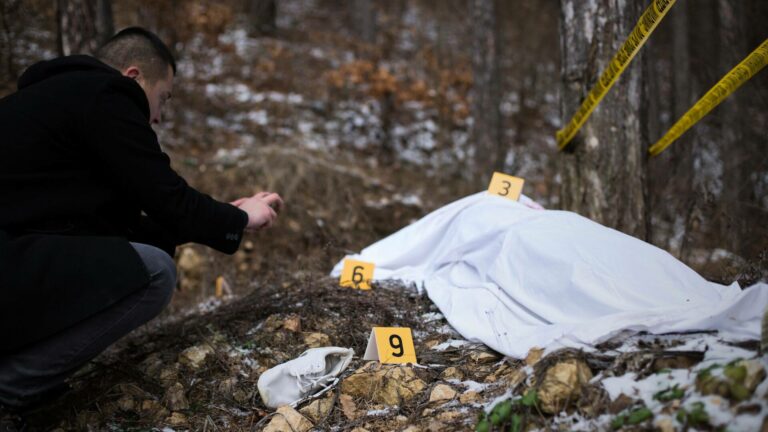
Murder Far From the City Lights: Writing Rural Crime
Crime looks different far from the city. This panel explores how isolation, community ties, and the land itself shape motive, tension, and tone in rural crime fiction, creating danger that feels both intimate and inescapable.

Murder in Museums: Crime in the Art World
Museums and the art world provide rich settings for mystery and crime. In this session, authors who set their stories among galleries, curators, and priceless collections discuss why art becomes even more compelling when theft, forgery, and murder enter the picture. The panel also explores how the art world adds intrigue, history, and high stakes to crime fiction.

Murder In The Great Outdoors
Wide-open spaces can be just as dangerous as dark alleys. In this panel, authors discuss why they set their mysteries in the great outdoors, drawing inspiration from their hometowns, landscapes, and natural environments. They explore how wilderness settings heighten suspense, shape character choices, and turn nature itself into an active force in the story.

Murder Without Borders
Explore crime fiction set across the globe. This panel dives into research, cultural detail, and how setting becomes an essential part of the story rather than just a backdrop for murder.
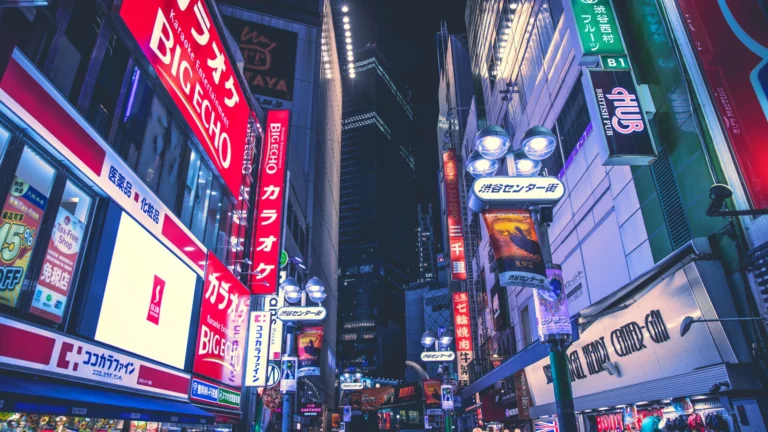
Mystery in the East: Culture, Crime, and Setting
Four authors explore crime fiction set across the Far East, discussing how culture, history, and geography shape their mysteries. They share how setting influences character, motive, and atmosphere, and how writing outside one’s own cultural lens demands research, respect, and narrative precision.
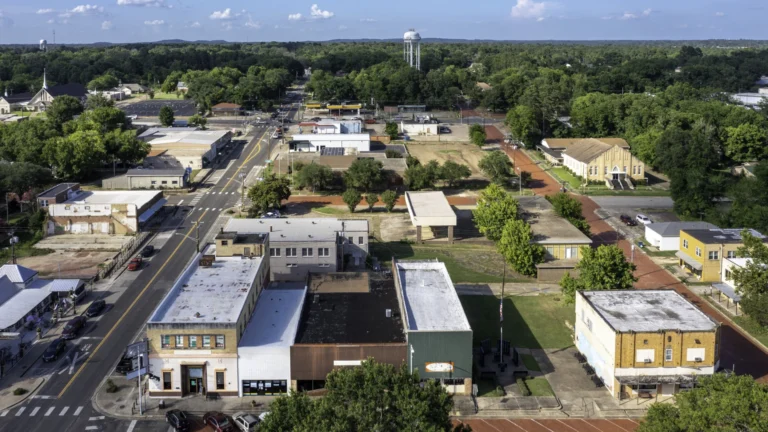
Secrets and Suspense in Small Town Mysteries
Rural mysteries thrive on isolation and community tension. Learn how landscape, local dynamics, and atmosphere shape suspense and drive mysteries where everyone knows each other and secrets are hard to keep.
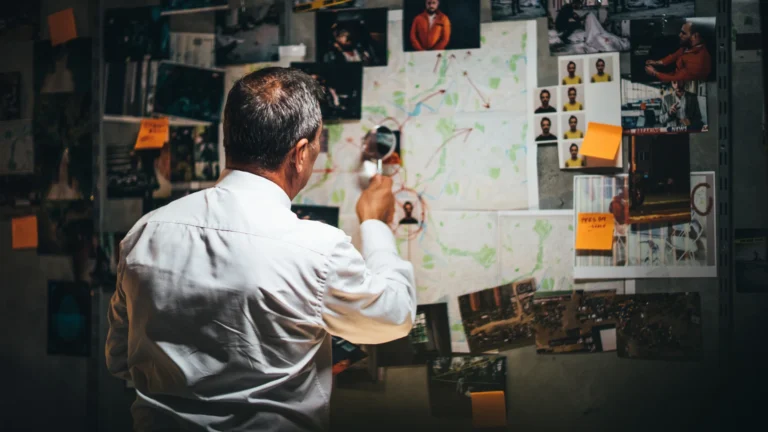
Setting the Scene for Murder
Writers and bloggers talk about how place shapes crime fiction, from choosing the perfect location to using setting as a driver of mood, tension, and plot. They explore why certain places demand certain crimes and how a well-chosen setting can deepen story, sharpen conflict, and forge a stronger connection with readers.

Southern Crime: Mystery and Mischief Below the Mason Dixon
What does it really mean to write Southern crime fiction? In this session, Southern authors discuss how the region’s culture, history, humor, and traditions shape their stories. The panel explores why Southern settings offer rich ground for crime, mystery, and unforgettable characters.

The Dark Heart of L.A. Crime Fiction
From shadowy noir streets to modern, high-stakes thrillers, Los Angeles has always been a city built for crime fiction. In this panel, authors explore how L.A.’s history, culture, and shifting neighborhoods have shaped crime stories across decades. They discuss how the city’s evolving landscape influences tone, character, and the kinds of crimes that feel true to each era.

The Dark Side of Suburbia
Suburbia often hides more than it reveals. This panel explores how to capture the contradictions, secrets, and quiet tensions of suburban life and use setting as a character that drives conflict beneath the surface.
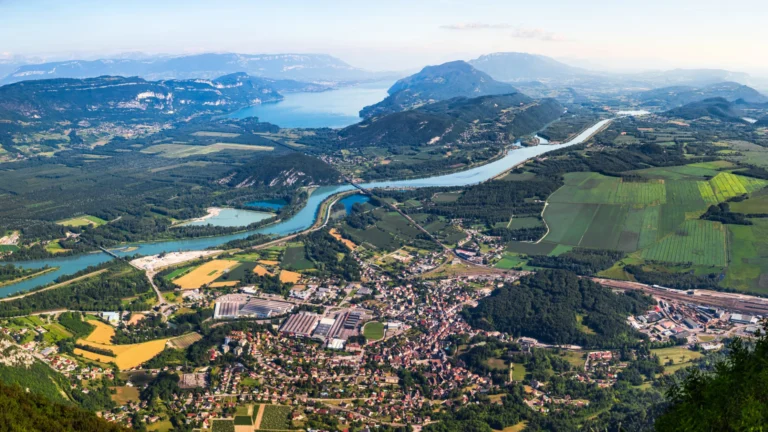
The Power of Place in Storytelling
Setting is more than a backdrop. It shapes mood, character, and meaning. In this session, authors share how they choose the settings for their novels and how place influences the story at every level, from atmosphere to theme.
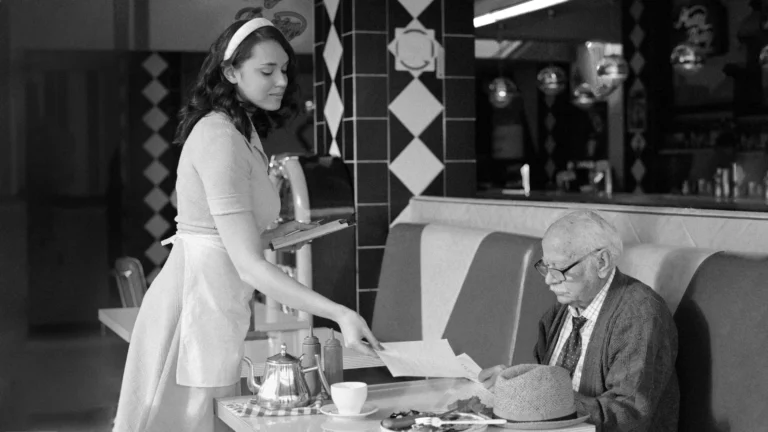
The Power of Setting
Setting can act as a character with its own influence and agenda. This session explores how grounding story in place, time, and culture heightens tension and pulls readers deeper into the narrative.
The Power of Setting in Storytelling
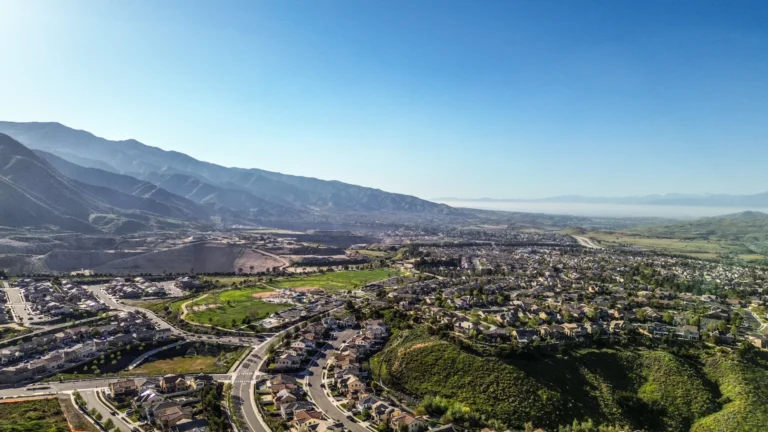
How much power does setting really have in a story? This panel explores the role of location as more than backdrop, examining how place shapes character, mood, conflict, and theme. Discover how to make your setting feel alive and essential so it becomes as memorable as the people who inhabit it.

Urban Detectives versus Rural Investigators
Investigators are shaped by where they work. This panel compares urban and rural sleuths, examining how environment affects resources, challenges, and the kinds of stories that naturally emerge.
Using Location to Deepen Mood and Meaning
Learn how to choose and develop settings that enhance mood and meaning. This discussion focuses on making locations feel alive and integrating them seamlessly into plot, theme, and character development.
Using Setting to Shape Tone and Theme
Setting shapes tone, theme, and character from the ground up. This discussion focuses on why place matters so deeply and how authentic settings strengthen narrative impact and emotional truth.
When Place Drives the Plot
Plot does not happen anywhere. This panel explores how environment drives events, limits choices, and pushes characters toward decisions that feel inevitable and earned.
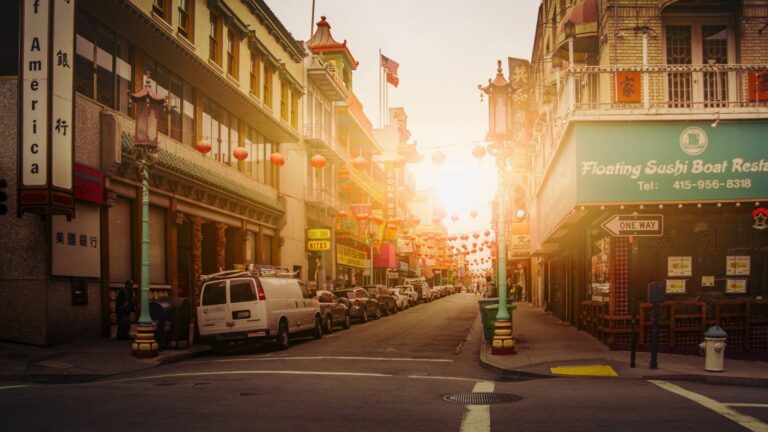
Why Place Drives Story
Setting is more than description. This panel explores how environment reveals information, advances plot, deepens character, and creates emotional resonance that grounds the entire story.

Worldbuilding for Every Genre
World building applies to every kind of story. This session explores how to create believable worlds through sensory detail, internal consistency, and emotional truth, whether writing speculative or realistic fiction.
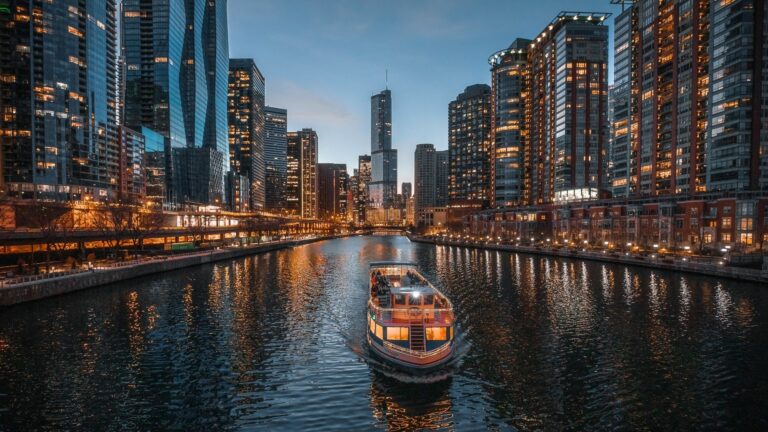
Writing Chicago With Grit and Authenticity
Chicago has a voice all its own. This session explores how writers capture the city’s grit, history, and character while avoiding clichés and letting place drive story and tone.

Writing Cities That Feel Real
Cities are filled with energy, danger, and opportunity. In this session, learn how to bring urban settings to life on the page, use location to shape plot and character, and write convincingly about cities even if you have never lived in them.

Writing Convincing Stories in Foreign Places
International settings can add depth and excitement to fiction. Learn how writers research foreign locations, balance imagination with accuracy, and use politics, history, and culture to create immersive worlds.

Writing Crime Across Borders
In this engaging international panel, authors from around the world share how they craft crime fiction set outside the United States. They discuss research, cultural nuance, language, legal systems, and the responsibility of portraying unfamiliar places with depth and respect.

Writing Crime Fiction Around the World
Crime fiction travels the world in this wide ranging discussion of place. Authors share how they research, portray, and balance cultural accuracy with character driven storytelling in diverse international settings.
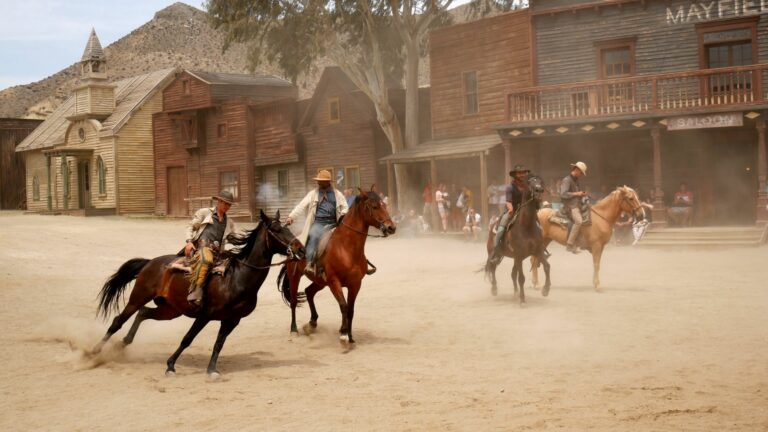
Writing Mystery in the Wide Open West
The American West offers rich history, wide open landscapes, and social tension ripe for mystery. Learn how writers research place and period, build believable worlds, and create strong female protagonists within the limits of historical reality.
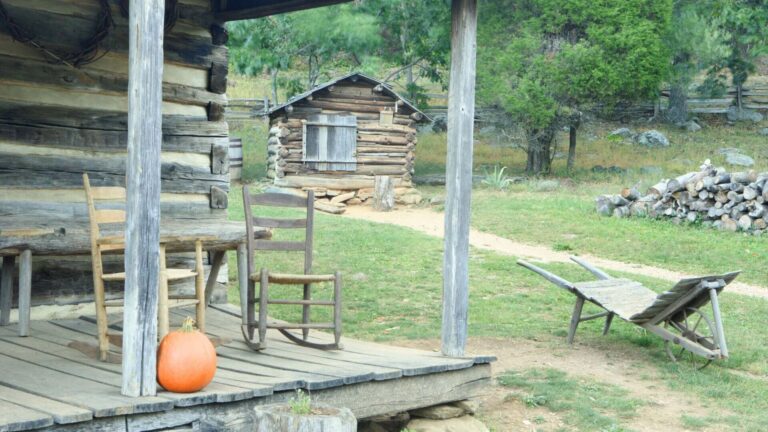
Writing Regional Fiction and Nonfiction
Regional writing invites readers into a specific place and way of life. Learn how to capture the voice, rhythm, and spirit of a region so convincingly that readers feel fully immersed in the landscape and its people.
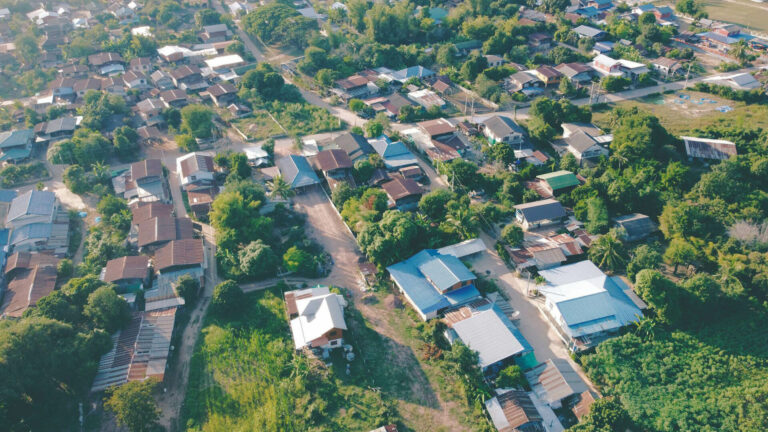
Writing Rural Worlds Without Stereotypes
Rural communities offer complexity beyond simple stereotypes. Learn how to portray small towns and countryside settings with honesty, capturing local rhythms while allowing the land itself to shape story and character.