
Writing Craft
Plotting

Plot provides structure and direction. This certificate program looks into story architecture, turning points, cause and effect, and methods for organizing events into cohesive and compelling arcs.
Courses

Adding Mystery to Your Story
Mystery is not limited to one genre. A.H. Scott, Jule Selbo, Mary Dutta, Rich Zahradnik, and Ruth Knafo Setton explore how to weave mystery into any narrative by layering twists, misdirection, and atmosphere. This session focuses on building suspense through setting and structure while keeping readers curious and engaged from scene to scene.

Building a Novel from Big Picture to Scene Level
A strong novel works at both the big-picture and scene level. John DeDakis offers a two-part masterclass that first examines overall story architecture and then zooms in on scene construction. This session helps writers strengthen pacing, emotional flow, and narrative cohesion from beginning to end.
Character or Plot: How They Work Together to Drive Story
Great stories depend on the relationship between character and plot. Carol Orange, Diane Sismour, Jim Perry, Sam Severn, and Sharon Marchisello explore how character motivation and plot structure work together to create momentum and meaning. This session offers insight into developing both elements so they reinforce each other and deepen emotional impact.

Crafting Stories That Last: Building Strong Characters and Structure
Tonya Kappes and Nancy Naigle lead a hands-on workshop that guides writers through techniques for strengthening story structure, developing compelling characters, and refining manuscripts for publication.

Creating and Weaving Subplots
Subplots give a story depth, texture, and emotional resonance. Kelly Oliver and Richard Helms explore how to design secondary storylines that strengthen the main plot rather than distract from it. This session focuses on using subplots to reveal character, raise tension, and add thematic richness that keeps readers fully engaged.

Different Ways to Plot a Novel That Keeps Readers Hooked
Every writer plots differently, but every strong story needs structure. Allen Mann, Debra Gaskill, J.C. Kenney, Linda Sands, and Randy Overbeck share how they approach plotting, from shaping narrative arcs to managing twists and pacing. This session offers insight into multiple plotting styles and how to use them to keep readers engaged from the first page to the last.

Engineering a Plot That Actually Holds Together
Strong plots are built, not guessed at. Laura Hayden shows how an engineering mindset can bring clarity and structure to storytelling, even for writers who prefer to work by instinct. This session explores practical problem-solving techniques that help writers identify weak points, strengthen story logic, and build cohesive plots that hold together from beginning to end.
Foreshadowing & Planting Clues Without Giving the Game Away
Foreshadowing keeps readers engaged without revealing too much too soon. J.B. Manning, James Glass, Kelly Oliver, Marie Still, Rick Glaze, and Tracee de Hahn break down how to plant clues that feel fair, intentional, and satisfying. This session focuses on maintaining tension and surprise while guiding readers toward a payoff that feels earned.

How Plotters Turn Planning into Creativity
Planning does not limit creativity, it can unlock it. Jeffrey Philips, J.J. Renek, Kari Bovee, Ley Esses, Mally Becker, and Wendy Gee discuss outlining approaches that range from detailed spreadsheets to flexible index cards. This session explores how structured planning can deepen story logic, sharpen twists, and support confident drafting.

How to Write a Book: From Idea to Resolution
Writing a book can feel overwhelming without a clear path forward. Bob Mayer breaks the process into manageable stages, from shaping a strong original idea to building conflict and carrying it through a satisfying resolution. This session offers practical guidance on structure, storytelling choices, and adapting your approach to today’s evolving publishing landscape.

Howdunit: Making Murder Interesting and Other Fun Ways to Kill Your Darlings
Great crime fiction keeps readers guessing while delivering satisfying payoffs. Alana White, Lynn Chandler Willis, and Phil Hardwick dive into the craft of making murder compelling on the page, from designing intriguing crimes to managing suspense and surprise. This session explores how to raise stakes, misdirect readers, and keep pages turning all the way to the final reveal.
Les Roberts & John Lutz on Craft, Character, and Writing Stories That Endure
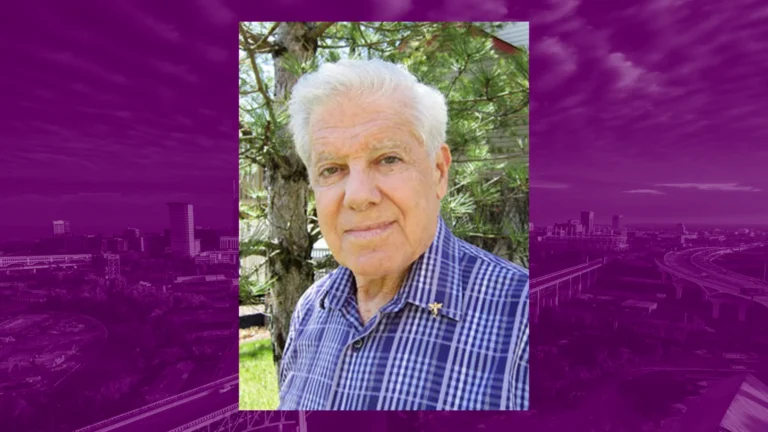
Mystery legend John Lutz sits down with fellow author Les Roberts for a thoughtful conversation about storytelling, character development, and the craft of writing enduring mysteries.
Plot or Characters . . . Who’s Running the Show?
Story momentum depends on the relationship between plot and character. William Bernhardt examines how characters drive action, how plot pressures shape decision making, and why conflict sits at the center of both. This session breaks down the three classic types of conflict and shows how balancing them creates stories that feel purposeful and alive.

Plot Twists: How to Keep Readers Guessing
A great plot twist surprises readers while still feeling earned. Hallie Ephron shares practical strategies for designing twists that deepen suspense rather than rely on shock alone. This session explores how to plant clues, guide reader expectations, and deliver payoffs that feel both unexpected and inevitable.

Plotting by Cornerstones: The Four Foundations Every Story Needs
Every story rests on a few essential elements. Wendy Gee breaks down character, conflict, setting, and resolution as the cornerstones of effective storytelling. This session shows how to use these fundamentals to structure stories across genres, giving writers a flexible framework they can return to again and again.

Sharpening Your Story: Craft, Structure, and Meaning
This continuation of the workshop offers deeper feedback and discussion as writers share their work and receive guidance from experienced panelists. The session focuses on refining craft, strengthening structure, and elevating the overall impact of your storytelling.

Taking Readers on a Journey: Building Immersive Story Worlds
Catherine Dilts leads a conversation with authors about how they create compelling fictional worlds that draw readers in from the first page. Panelists discuss techniques for building setting, atmosphere, and narrative momentum that keep readers fully engaged in the story.

The Art of Red Herrings
Red herrings test a writer’s control over reader perception. Ida Mae Jones, Katherine Hutchinson-Hayes, Kelly Oliver, Kemper Donovan, Mitchell S. Karnes, and S.C. Merritt reveal how to plant believable misdirection without frustrating or misleading the reader. This session explores how to balance surprise, logic, and fairness in mystery storytelling.

The Art of the Perfect Plot Twist
In this craft-focused discussion, authors reveal how they design twists that deepen character, reframe clues, and leave readers reeling in the best way. Learn how to plant fair clues, avoid cheap tricks, and deliver reveals that truly satisfy.
The Blueprint Behind Every Great Mystery
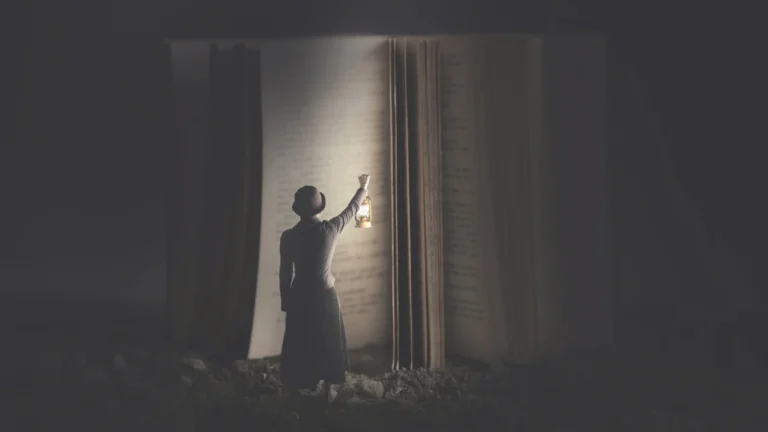
Mysteries succeed when structure and suspense work together. Jule Selbo breaks down the core story structures behind classic and modern mysteries, showing how each supports tension and reader expectation. This session helps writers build tightly plotted stories that feel both surprising and emotionally satisfying.
The Subplot Series: Add Depth and Meaning to Any Story
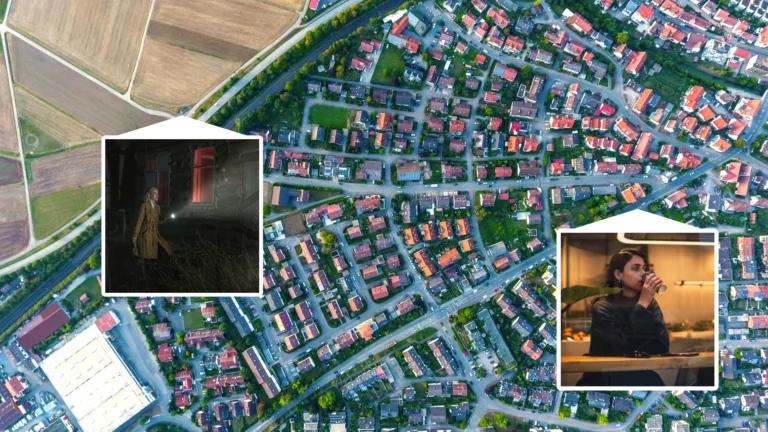
Subplots add depth, complexity, and emotional weight to a story when handled well. Charlie Pearson moderates a discussion with Kelly Oliver, Marian Murfield, and Mary Bell on crafting effective subplots and refining short fiction through revision. This session explores how layered storytelling strengthens narrative impact and turns good stories into richer, more engaging reads.

To Plot or Not to Plot: Finding the Writing Process That Works for You
Every writer eventually confronts the question of planning versus discovery. Bradley Harper, Charlie Donlea, James Glass, Kathleen Donnelly, Lori Roberts Herbst, and Sharon Hoisager compare plotting and writing by instinct, examining how each approach affects creativity, structure, and productivity. This session helps writers understand the strengths of both methods and determine which best supports their personal process.
Twists and Turns: Crafting Plots That Keep Readers Guessing
A great twist feels surprising without feeling unfair. Jennifer Sadera, Kemper Donovan, Millie Hast, Peter Rosch, and Terry Friedman explore how to design plot turns that raise stakes and redirect expectations. This session focuses on misdirection, payoff, and crafting endings that shock while still feeling earned.
What Is Your B Story and Why Does It Matter?
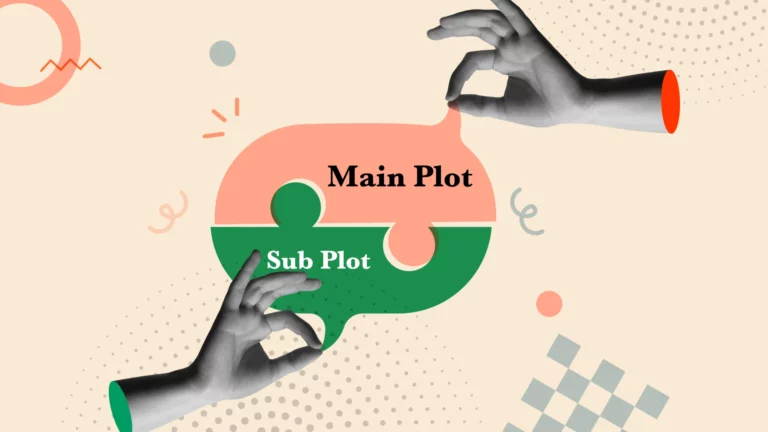
A strong subplot can elevate an entire novel. Moderated by Sharon Hopkins, Brenda Donelan, Carrie Smith, Cathi Stoler, Kelly Oliver, and Roger Johns discuss how to develop a compelling B story that supports the main plot. This session focuses on using subplots to deepen character, reinforce theme, and create a richer reading experience.

What Turns a Good Novel into a Breakout Hit
Some novels connect with readers while others explode onto the scene. Gregg Hurwitz and literary agent Adriann Ranta Zurhellen explore what separates a solid book from a breakout success. This session examines storytelling, structure, and bold creative decisions that can elevate a novel and position a writer for greater visibility and opportunity.
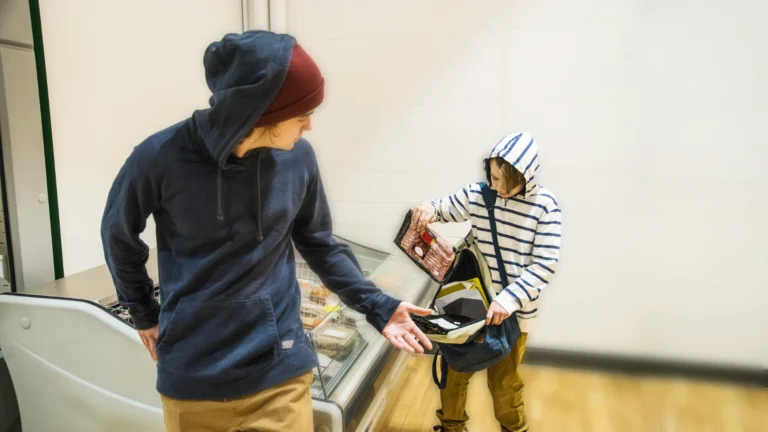
When the Crime Isn’t the Point: Writing Character-Driven Mysteries
Some mysteries are powered by people rather than puzzles. Bill Cusano, Jim Nesbitt, Lynn Slaughter, Poppy Gee, Thomas Burns, and Warren Moore explore how to write mysteries where character psychology and emotional stakes take center stage. This session shows how crime can serve as a framework for deeper, character-driven storytelling.

Writing Like a Pantser Without Losing Control
Writing without an outline can feel freeing and terrifying at the same time. Charles D’Amico, Jim Nesbitt, Mark Jones, Peter Rosch, R. Weir, and Robert Mangeot discuss the creative advantages and challenges of writing by instinct. This session explores how spontaneity can spark originality while still producing focused, finished stories.

Writing Without an Outline
Not every writer plans ahead, and that can be a strength. Linda Thorne leads Amy Rivers, Kerry Peresta, P.D. Halt, R.G. Belsky, and Rich Zahradnik in a discussion of discovery writing and flexible story structure. This session examines the benefits and challenges of writing without an outline and how intuitive approaches can still produce focused, compelling narratives.