
Writing Craft
Mature Topics

Writing mature themes requires sensitivity and intention. This certificate program explores how to approach complex subjects responsibly while maintaining emotional authenticity and narrative integrity.
Courses

Balancing Darkness and Light in Storytelling
The most memorable stories often blend moments of hope with moments of hardship. In this session, authors discuss how they balance dark and light elements in their work, creating emotional depth, maintaining reader engagement, and crafting stories that resonate across genres.

Handling Intimacy on the Page and Screen
Intimate scenes on screen must be handled with care and intention. Billy Mernit explores how to write romantic and erotic moments for film that feel honest and emotionally resonant. This session examines how to avoid clichés, respect character boundaries, and ensure intimate moments advance story and deepen connection.

How to Write Sex Scenes That Serve the Story
Writing sex scenes requires sensitivity, clarity, and purpose. Don Bruns, Honora Finkelstein, Kelly Nichols, Kristy Montee, Maggie Toussaint, Rhonda Pollero, and Susan Smily tackle what makes intimate scenes effective and meaningful. They discuss tone, restraint, and how intimacy can support story and character rather than distract from it.

Sex, Violence, and Bad Language: Everything That Makes a Book Great
Mature content can add power to a story when it serves character and plot. John Rector, Jonathan Woods, S.J. Rozan, and Scott Phillips discuss why elements like sex, violence, and strong language have a place in crime fiction when used with intention. This session explores how these choices can deepen realism, sharpen character development, and raise narrative stakes rather than feeling gratuitous.

When Does Sex Belongs in Crime Fiction?
Sex plays different roles across crime fiction subgenres. Alexandra Sokoloff, Harley Jane Kozak, Judi McCoy, and Sheila Connolly discuss when intimacy belongs in a crime novel and when it does not. This session explores reader expectations, realism, industry pressures, and how to handle sexual content responsibly without resorting to cliché or excess.

Who We Kill and Why
Every fictional death should serve a purpose. In this session, authors discuss why they write about crime and violence, how they decide which characters live or die, and the emotional, thematic, and narrative impact that a well-placed death can have on a story.

Writing Intimacy and Relationships in Fiction
Intimacy can reveal character, deepen relationships, and raise the emotional stakes of a story. In this session, panelists discuss the role of sexual relationships in fiction, how to write intimate scenes that serve the narrative, and the difference between effective and ineffective portrayals of romance and sexuality across genres.

Writing Intimate Scenes That Feel Real
Effective sex scenes feel authentic and emotionally grounded. D. Alan Lewis, Michael A. Black, Nicole Nelson Hicks, Philip Cioffari, and Steven Womack explore how to write intimacy that serves character and plot. This session focuses on purpose, tone, and balance, helping writers avoid clichés while keeping scenes impactful and believable.
Writing Violence That Matters
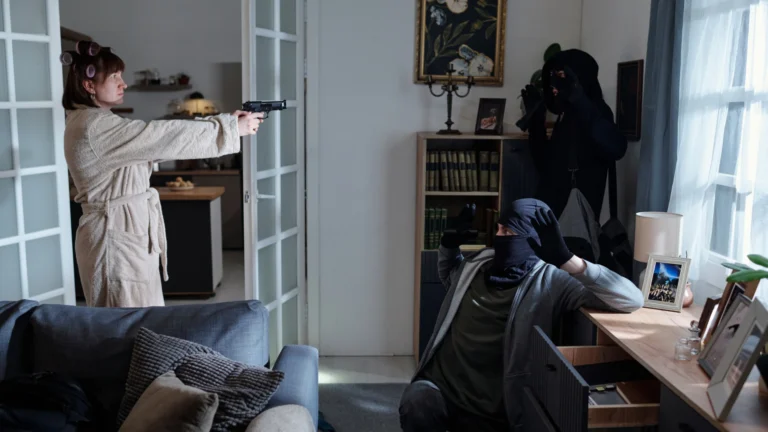
Violence in crime fiction can shock, reveal character, and raise the stakes when used effectively. In this session, authors discuss how to write violence with purpose, exploring what drives readers away, how protagonists respond to brutality, and how writers handle the emotional weight of dark subject matter.

Writing Violence: Finding the Right Balance
Violence can heighten tension, reveal character, and drive a story forward—but knowing how much is enough is a creative challenge. In this session, authors discuss their approaches to writing violence, balancing realism with reader expectations, and examining how memorable scenes in books and film use violence to serve the story rather than overshadow it.

Writing Violent Fiction
Violence can be a powerful tool in crime fiction when used with intention. In this session, authors discuss how to portray violence authentically without making it gratuitous, balancing impact with restraint and ensuring that every violent moment serves the story and resonates with readers.