
Writing Craft
Action and Pacing

Strong pacing keeps readers engaged from first page to last. This certificate program explores rhythm, momentum, scene intensity, and how to balance action with reflection to maintain narrative drive.
Courses

Balancing the Elements of Great Storytelling
Great storytelling depends on balance. Richard Helms examines how conflict, narration, exposition, dialogue, and description work together to shape a compelling narrative. This session shows how adjusting these elements can improve pacing, deepen emotional impact, and create a smoother, more immersive reading experience.

Building Tension: The Art of Suspense in Writing
B.J. Sloan, Carol Gyzander, Christine M. Fairchild, Jennifer Sadera, and Katherine Hutchinson-Hayes dig into how suspense keeps readers locked in across genres. They discuss pacing, escalating stakes, and emotional timing, offering practical insight into how tension builds gradually and why restraint is often just as powerful as surprise.
Diving Into Action: Clear, Fast, and Believable Action Scenes
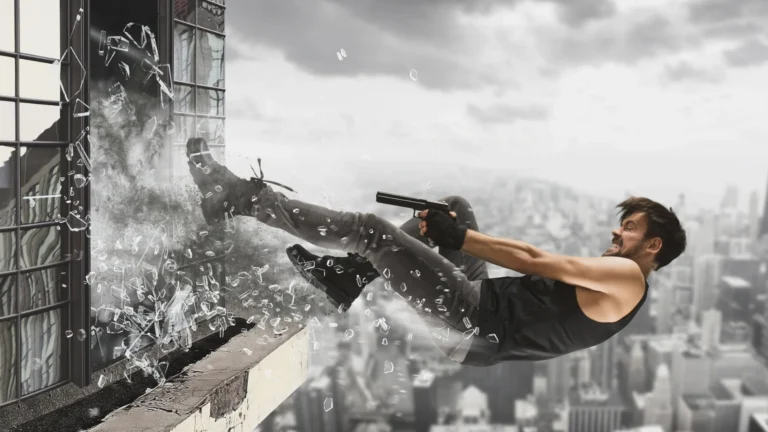
A.M. Adair and Angela Greenman share practical techniques for writing action scenes that feel believable and easy to follow. This session focuses on clarity, realism, and emotional impact, helping writers create scenes that move fast, stay grounded, and keep readers fully engaged.

How to Write Action That Readers Can Feel
A.M. Adair, Angela Greenman, J.D. Webb, K.L. Murphy, and Michael Lucker show how powerful action scenes are built on more than explosions and speed. They break down pacing, sentence structure, and word choice, revealing how to choreograph movement, control rhythm, and keep readers breathless without losing clarity or emotional impact.

Keeping the Pace: How to Maintain Momentum in Your Story
Pacing is key to keeping readers engaged from beginning to end. In this session, authors share techniques for maintaining narrative momentum, balancing action and tension, and ensuring the story moves forward without losing depth or clarity.

Maintaining Pace in Mystery Narrative
Strong pacing keeps mystery readers turning pages. In this session, authors share techniques for balancing clues, red herrings, and character development while maintaining tension and momentum throughout the story.

Making Chaos Clear: Writing Action Without Confusing the Reader
John Thompson, Kelly Nichols, and Louis Martin dive into the mechanics of writing action that is vivid, clean, and impossible to skim. This session focuses on clarity under pressure, physical realism, and pacing choices that keep scenes intense while making every movement easy to visualize and impossible to ignore.

Mastering Story Rhythm
Pacing is one of the most powerful tools a writer has and one of the easiest to misunderstand. Graham Brown, Kelly Nichols, Margaret Fenton, Margie Walker, and Rick Reed explore what pacing really means across genres and how to control it on the page. This session offers practical techniques for keeping stories moving while giving key moments the space they deserve.

The Art of Sustained Suspense
Suspense is not about shock moments but about control. Rhonda Pollero breaks down how to build tension deliberately across an entire novel, showing how pacing, information management, and emotional stakes work together to keep readers leaning forward. This session focuses on sustaining unease, sharpening anticipation, and creating that irresistible pull that makes readers keep turning pages.

The Slow Burn: How to Build Suspense That Won’t Let Go
Angela Greenman, Gay Yellen, Jacy Sellers, Kiersten Modglin, and Lois Winston explore how suspense is layered onto a story long before the big moment hits. They examine how character motivation, setting, dialogue, and location work together to build tension, stretch anticipation, and keep readers turning pages even when nothing explodes.

Time Bomb: Creating Relentless Momentum
Adrian Magson, Daniel Palmer, J.T. Ellison, Laura Benedict, Meg Gardiner, and Simon Toyne dive into the pressures and pleasures of writing page-turning thrillers. They discuss building high-stakes plots, sustaining tension, and maintaining momentum under deadline pressure. Writers will gain insight into how urgency fuels a story and how mishandling it can bring everything to a halt.

Turning Any Story into a Page-Turner
Thriller techniques are not limited to one genre. Angela Greenman, Dana Summers, Jacy Sellers, Lynn Chandler Willis, Mary McFarland, and Shirley B. Garrett explore how to incorporate twists, red herrings, flashbacks, and emotional pressure into any story. Writers will learn how to heighten stakes through character, setting, and structure while maintaining clarity and momentum.

Turning the Pages: How to Keep Them Reading
Deborah Sharp leads a lively discussion with John M. Taylor, John Thompson, and Tom Jones on what truly keeps readers turning pages. From pacing and character development to chapter endings and narrative momentum, this session breaks down the craft choices that hook readers early and keep them engaged all the way to the final page.

Why Readers Stop Reading
Readers rarely quit a book for just one reason. Bradley Harper draws on neuroscience and his experience as a contest judge to explain what causes readers to disengage and what keeps them turning pages. This session explores the psychology behind narrative connection, highlighting common craft missteps that break immersion and the techniques that help stories hold attention longer.

Writing Action That Hits Hard
Jim Nesbitt, Ley Esses, Michael Lucker, Peter Houlahan, Ron Clyburn, and Teel James Glenn break down what makes action scenes truly work on the page. This session explores pacing, choreography, and emotional stakes, showing how to write action that feels vivid, controlled, and meaningful rather than chaotic or empty spectacle.