
Research Education
Research Techniques

Strong research skills elevate storytelling. This certificate program explores source evaluation, interviewing methods, archival research, fact verification, and strategies for integrating research seamlessly into narrative.
Courses

Fact-Checking Your Writing: The Small Errors Readers Always Notice
Even small factual errors can break a reader’s trust. Experienced law enforcement professionals explain the inaccuracies they see most often in crime fiction and nonfiction and why those details matter. This session shows writers how to verify information, check assumptions, and research responsibly so stories feel grounded, informed, and believable.

How Research Makes Fiction Feel Real
Strong research gives fiction weight, texture, and credibility. Moderated by Robert Mangeot, Jim Nesbitt, Kelly Oliver, Pam De Voe, and Tom Wood discuss how thoughtful research strengthens storytelling across genres. This session explores how to find the right details, when to dig deeper, and how to weave accuracy into a story without slowing momentum.

How to Manage Research Without Getting Overwhelmed
Strong stories are built on clear thinking and well managed information. Brett O’Conner, Brian Hicks, Graham Brown, and Kimberly Connolly share practical approaches to researching and organizing material without getting buried in it. This session offers writers concrete ways to manage notes, sources, and ideas so both fiction and nonfiction projects stay focused, accurate, and easier to finish.

Interview Techniques for True Crime and General Fiction Research
Great interviews can unlock details no amount of desk research will reveal. A.M. Adair, David Bushman, Joe Shulkin, John DeDakis, Lynn Chandler Willis, and Patrick Kendrick share practical advice on preparing for interviews, asking better questions, and building trust with sources. This session covers ethical considerations and techniques for drawing out revealing insights that bring authenticity to both fiction and true crime writing.
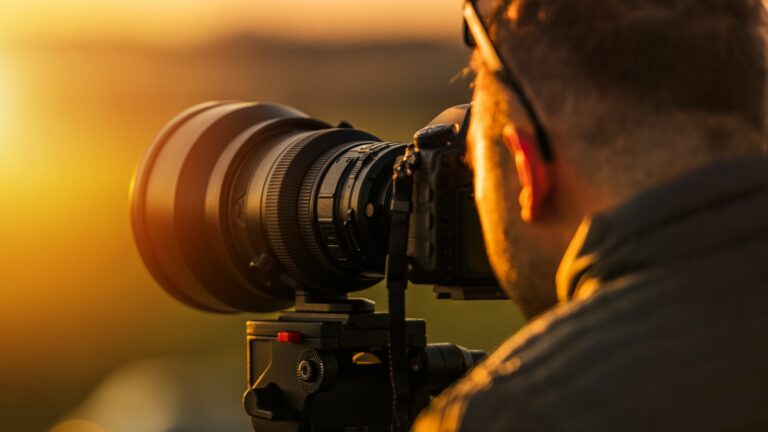
Photography for Writing: Seeing the Details That Make Scenes Feel Real
Seeing is often the key to writing with clarity and restraint. Michael Havelin explains how photography can help writers notice telling details, understand space and setting, and gather authentic visual reference. This session encourages writers to balance vivid imagery with narrative flow and offers insight into how observation and critique groups can sharpen craft without overloading the page.

Research Smarter, Write Faster
Research does not have to derail your writing schedule. Amy Denton, Caroline Fardig, Carrie Smith, Lois Schmitt, Philip Rivera, and Tracie Provost share practical strategies for organizing research, outlining projects, and working efficiently. This session helps writers streamline their process while still producing rich, accurate, and well supported stories.

Research Techniques for Authenticity
Authenticity is often what separates a good story from a convincing one. Moderated by Angela Greenman, Aliah Wright, John Bukowski, Mike Tucker, Randy Overbeck, and Sharon Butcher discuss how smart research choices bring precision, texture, and truth to both fiction and nonfiction. This session focuses on practical research techniques that help writers write with confidence while keeping stories vivid and grounded in reality.

Research: Writing What You DON’T Know for Story, Pacing, and Confidence
Writing outside your own experience can feel intimidating, but it does not have to slow your story down. A.H. Scott, Amy Denton, Christy Hoover, Dr. Marc J. Aguilera, Sara Wigal, and Susan Ouellette discuss how thoughtful research strengthens credibility without overwhelming the narrative. This session shows writers how to approach unfamiliar subjects with respect and accuracy while using research to improve pacing, deepen story, and write with greater confidence.

Researching Historical Fiction: How to Step Fully Into the Past
Writing historical fiction means stepping fully into another time. Charles Todd, Graham Brown, Marian Hill, Stacy Allen, and Suzanne Adair discuss how to research the past with depth and care. From travel and sensory detail to fact checking and mindset, this session helps writers capture the texture, voice, and reality of earlier eras with authenticity.

The Research Tools Writers Forget to Use
Research does not begin and end with books. Chris Mercer and Dietrich Stogner explore how writers can use newspapers, archives, digital media, and other resources to spark ideas and deepen their work. This session helps writers understand how to track down meaningful details, expand their research toolbox, and use information creatively to strengthen character, setting, and story vision.

The Tech Writers Use Every Day and Still Get Wrong
Technology quietly shapes nearly every modern story, yet it is often misunderstood in fiction. Butch Wilson breaks down how everyday systems like computers, GPS, and 911 actually work, using clear language and real examples. This session also covers cybersecurity basics and common digital mistakes, helping writers use technology accurately without overwhelming their stories or readers.

What an Author Will Do for a Story
Some writers go far beyond the keyboard to get a story right. A.C. Frieden, Jamie Freveletti, Sam Reaves, and Sean Chercover talk candidly about the unusual jobs, risky research, and real world experiences they have taken on in pursuit of authenticity. This session explores how firsthand experience sharpens plot, deepens character, and adds a level of credibility that research alone cannot always provide.

Where Experience Ends and Research Begins
Authors explore the age-old question every writer faces: write what you know or research what you don’t. This conversation examines how writers balance personal experience with deep research, when instinct matters most, and how thoughtful preparation can expand both credibility and creative freedom on the page.

Write What You Know or Research What You Don’t?
In this candid conversation, mystery authors share how they balance personal experience with deep research. They discuss when real-world expertise gives a story its edge, when imagination takes the lead, and how to convincingly write beyond your comfort zone without losing authenticity.