Research Education
Medical
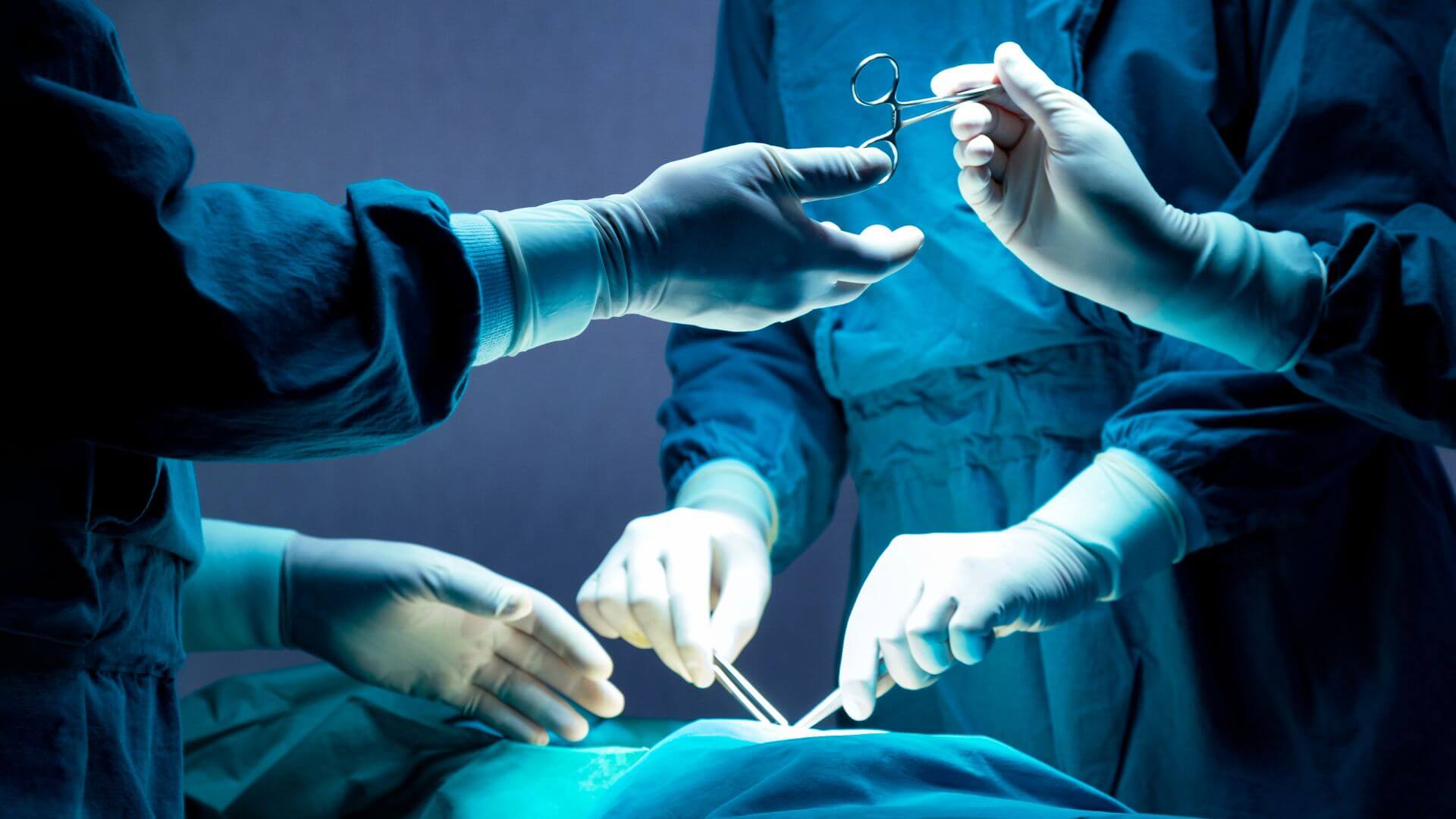
Medical accuracy enhances credibility. This certificate program covers healthcare settings, terminology, trauma response, ethical dilemmas, and how medical realities impact character decisions and plot development.
Courses
Inside an Autopsy From Start to Finish
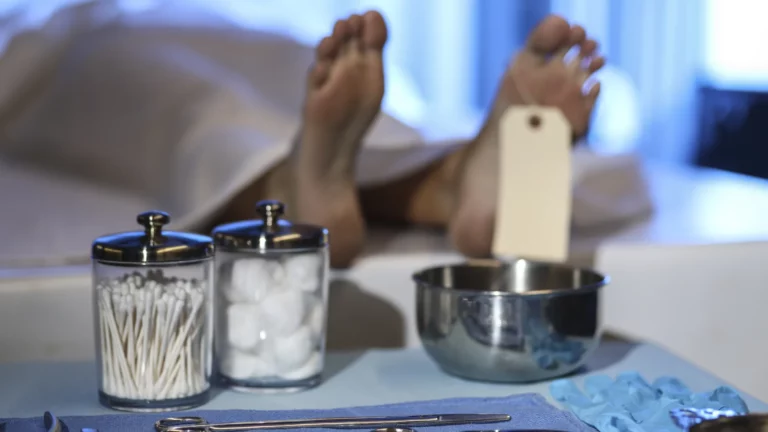
Autopsies are often simplified or misunderstood in fiction. Jennifer Dornbush and Dr. Bradley Harper walk writers through what actually happens, beginning at the death scene and continuing through examination and documentation. This session offers clear insight into forensic science and medical procedure, helping writers portray post mortem investigations with confidence and accuracy.
Medical Pitfalls When Killing Your Characters: Strategies to Accurately Depict Medical Fact in Your Fiction
Killing a character on the page is easy. Doing it credibly is not. Nurse and author Jordyn Redwood draws on more than three decades of medical experience to explain where writers most often go wrong in medical scenes. This session focuses on avoiding common errors and crafting high stakes moments that feel tense, realistic, and medically sound.
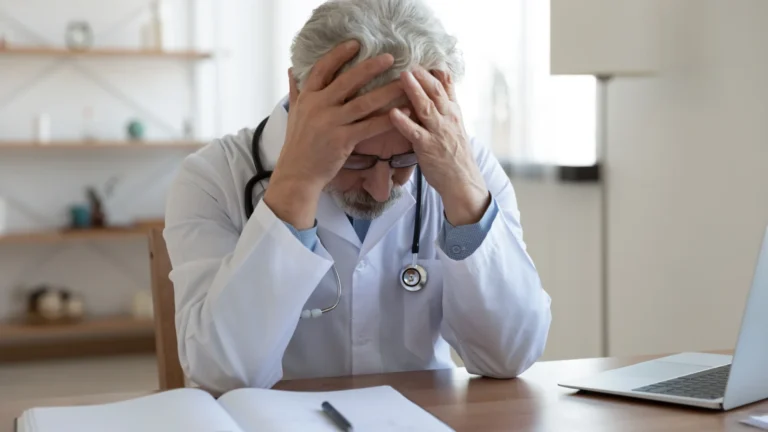
Novel Malpractice: Why Medical Scenes Feel Fake and How to Fix Them
Medical scenes in fiction are full of small inaccuracies that readers notice immediately. Dr. Ronda Wells breaks down the medical myths that appear most often in books and films, from mishandled emergencies to unrealistic hospital routines. This session gives writers practical strategies for creating medical scenes that feel authentic, informed, and dramatically effective.
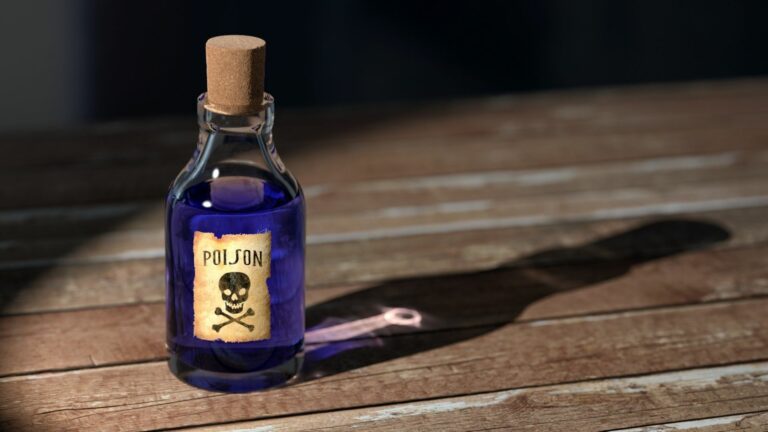
Poison in Storytelling
Poison has long been a favorite tool in fiction, but getting it right requires more than mystery and menace. Judith Rochelle, Dan Royse, Doug Woodward, Linda Duncan, and Lois Schmitt explore how poison is actually used in the real world, from toxicology and delivery methods to timing and detection. This session shows writers how to use poison in ways that feel believable, purposeful, and grounded in reality rather than cliché.
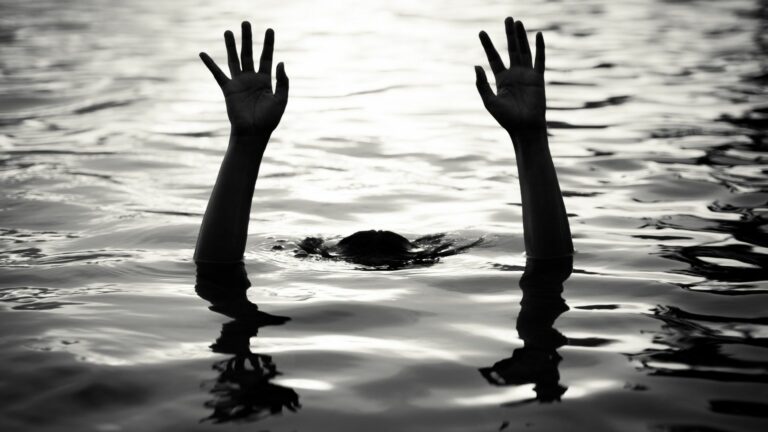
The Art of Killing Your Characters: Writing Death Scenes That Feel Real
How do you write a death scene that feels both shocking and believable? Carolyn McSparren dives into creative and realistic ways fictional characters meet their end, including the surprising lethal potential hiding in everyday home gardens. This session shows how real toxicology can be used to build convincing crime scenes that deepen suspense without straining credibility.

The Medical Mistakes That Break a Novel
Medical mistakes can pull readers out of a story faster than almost anything else. Ronda Wells, M.D., walks writers through the essentials of writing believable medical scenes, from reliable research sources to the clichés and shortcuts that undermine credibility. This session helps writers tailor medical detail to their audience, striking the right balance between accuracy and storytelling so scenes feel confident rather than confusing.
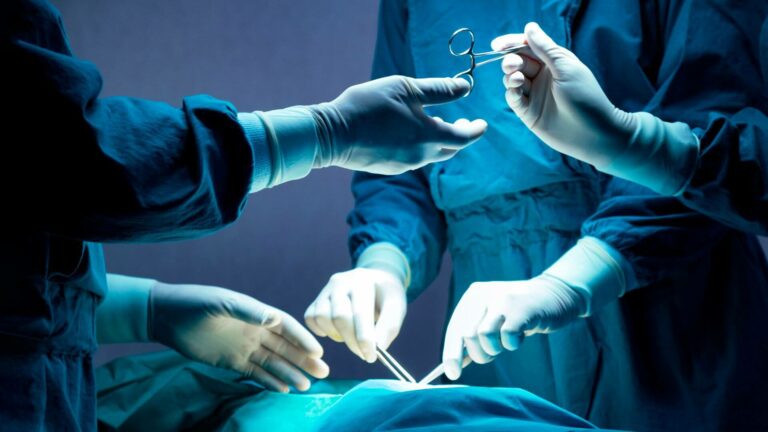
What Really Happens in an Operating Room
Operating rooms are controlled, intense, and nothing like television makes them seem. Practicing orthopedic surgeon Tom Kelso takes writers inside the real OR to explain how procedures actually unfold, what language professionals use, and where fiction most often goes wrong. This session helps writers create operating room scenes that feel precise, realistic, and dramatically compelling without sacrificing accuracy.
What Violence Does to the Human Body
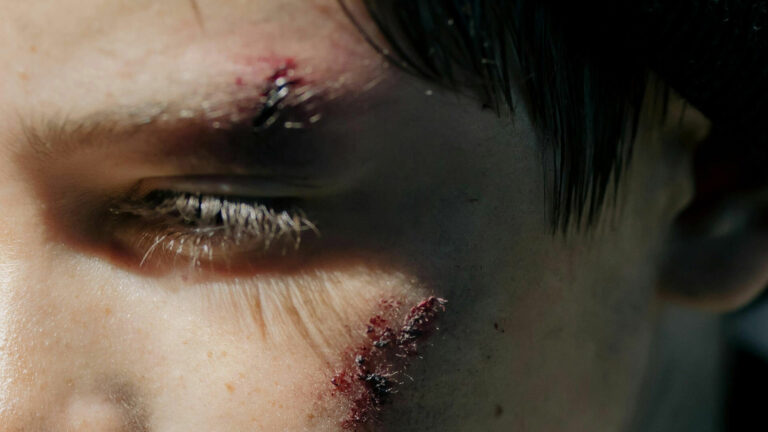
Violent injuries carry lasting physical and emotional consequences that fiction often glosses over. Linda Duncan provides a clear, detailed look at gunshot wounds, knife wounds, and blunt force trauma, explaining how these injuries affect the body and what happens in the aftermath. This session gives writers the medical insight needed to portray violence with realism, restraint, and respect for its true impact.