
Research Education
Legal
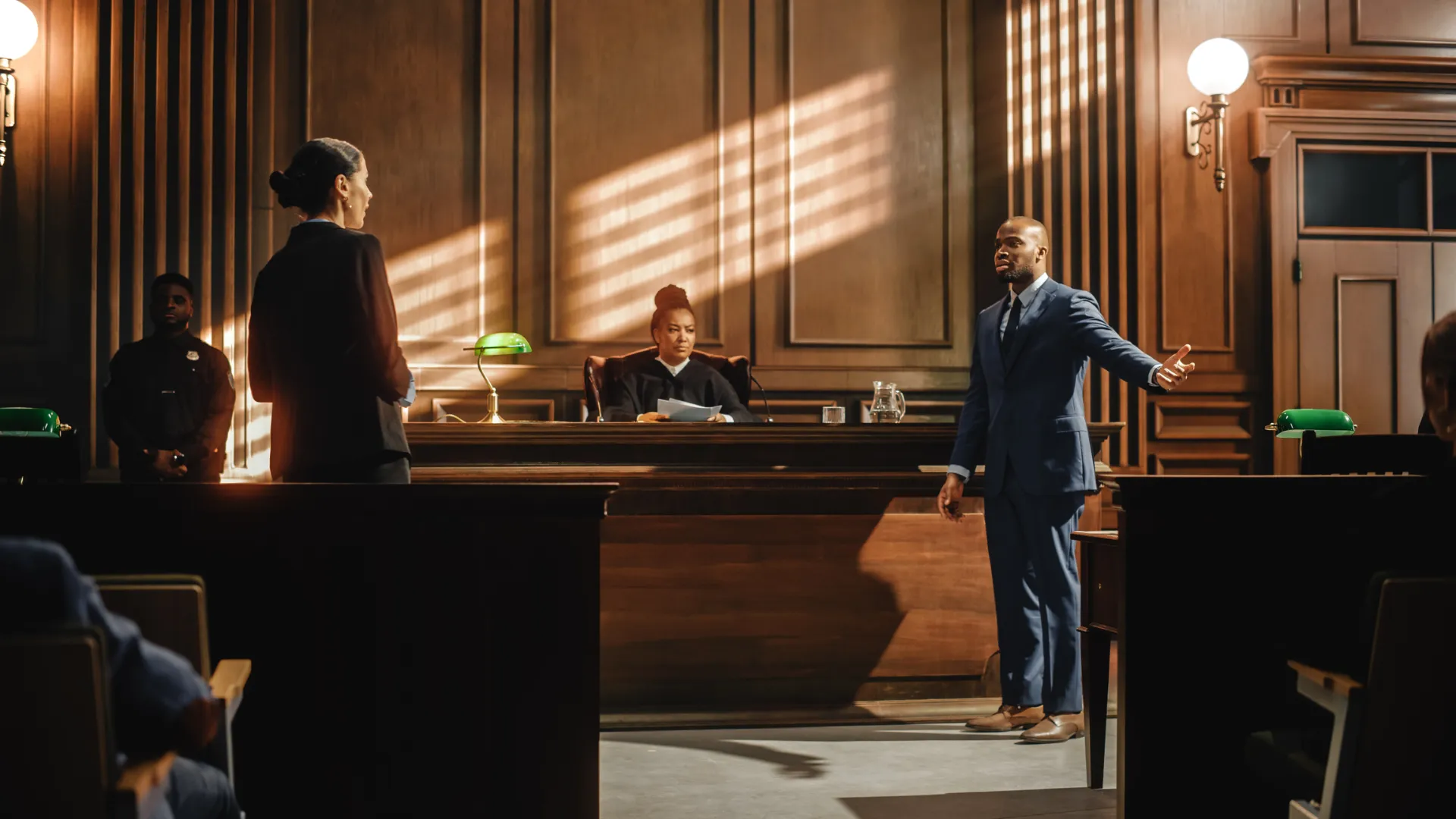
Legal storytelling demands precision and clarity. This certificate program explores courtroom procedure, attorney roles, legal terminology, ethical considerations, and how the justice system operates in practice.
Courses
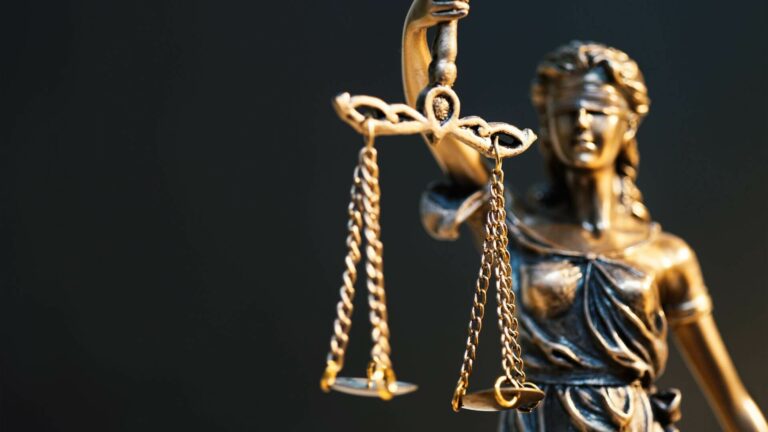
A Look Inside the Criminal Justice System
The criminal justice system is far more complex than television makes it seem. Ernest Lancaster, Ida Mae Jones, Lewis Allan, Mark Zeid, Marty Ludlum, and Philip Kushner offer writers a clear look at how the system actually functions, from procedure to decision making. This session addresses common myths, explains what really happens behind the scenes, and points writers toward reliable ways to get legal details right.

Defending the Damned: The Role of the Criminal Defense
Criminal defense is one of the most misunderstood roles in the justice system. Attorney and author Richard S. Jaffe explores what it really means to defend the accused, including the moral weight of the job, public judgment, and the responsibility of standing between a client and the power of the state. This session reveals how defense work exposes the true tensions at the heart of justice and how writers can portray that complexity honestly.
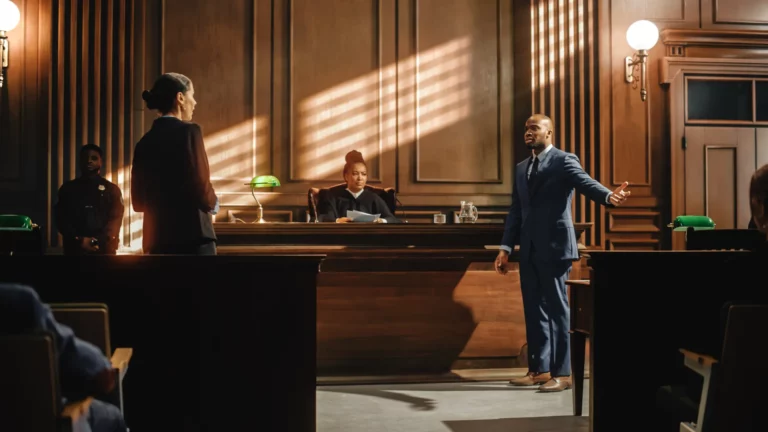
I Object: How Courtroom Procedure Creates Real Tension
Courtroom procedure can either heighten tension or drain it from a scene. Moderated by Carol L. Wright, Bill Hopkins, Debra H. Goldstein, Diane Sismour, Bruce Murphy, Marianne H. Donley, and Paula Gail Benson discuss how courtrooms actually operate and what writers need to get right. This session focuses on accurate procedure, pacing, and conflict, showing how legal realism can strengthen drama rather than slow it down.
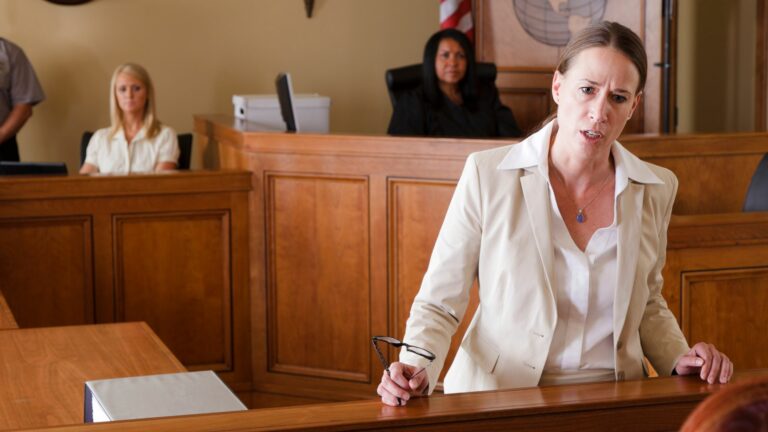
Mobsters and Mayhem: The Wildest Stories Hiding in Real Courtrooms
Real courtrooms are often stranger, funnier, and more revealing than fiction. Addie J. King, Jay Drescher, Marsha Lyons, and Terri Coop share odd, unexpected, and sometimes hilarious stories pulled from actual court cases. This session encourages writers to mine courthouses for inspiration, showing how observation, overheard dialogue, and real legal absurdities can spark unforgettable story ideas.

Order in the Court: Judges and Litigation
Judges quietly control the rhythm and outcome of every courtroom drama. Bill Hopkins, Debra H. Goldstein, and Terry Case explain how judges and litigation really work, from procedure to decision making. This session highlights the mistakes writers most often make when depicting courts and shows how accurate portrayals of judges and legal process can strengthen credibility and tension.
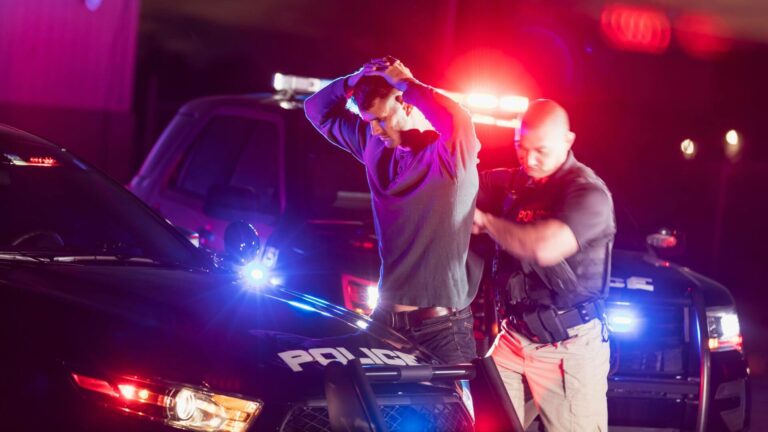
Search & Seizure: The One Mistake That Can Kill a Criminal Case
Search and seizure errors can unravel an entire case, on the page and in real life. Alan A. Cook draws on experience as a prosecutor, law clerk, and district attorney to explain how the Fourth Amendment actually works in practice. This session helps writers understand warrants, exceptions, and common pitfalls so legal procedures in their stories feel accurate, credible, and dramatically sound.
The 5th Amendment: Rights and Writing
Few moments in crime fiction carry as much weight as the decision to speak or remain silent. Eric Beversluis, James Glass, and Lisa Preston break down the Fifth Amendment and Miranda rights in practical terms. This session helps writers accurately portray interrogations, arrests, and law enforcement encounters, showing how constitutional rights shape tension, power, and outcome.
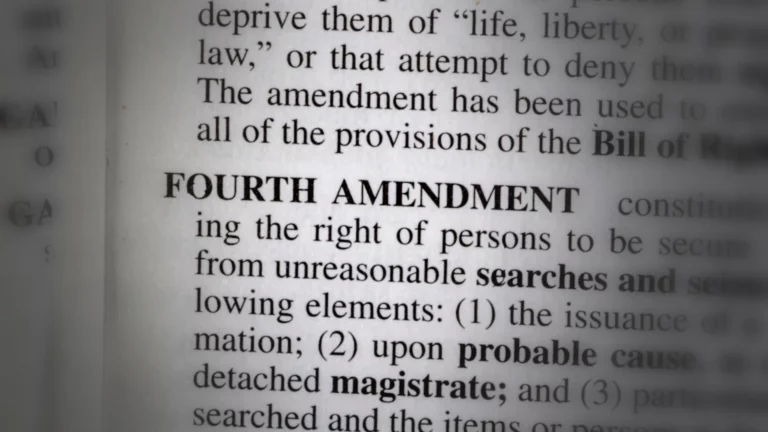
The Fourth Amendment: The Search That Makes or Breaks a Case
Search and seizure laws often decide whether a case survives or collapses. James Glass, Larry Enmon, and Lisa Preston explain how the Fourth Amendment works in real investigations at the federal, state, and local levels. Writers gain a clear understanding of warrants, boundaries, and consequences, helping them portray legal procedure with confidence and credibility.

The Top Things to Know About Writing Legal Matters and the Law
Legal details can quietly undermine an otherwise great story. In this session, C.A. Rowland, Erika Stribling, Greg Laird, J.B. Manning, Miranda Darrow, and Paula Gail Benson tackle the legal misconceptions that most often trip writers up. They discuss courtroom accuracy, correct use of legal language, and how the justice system really moves, helping writers balance realism with pacing so legal scenes feel sharp, credible, and dramatically effective.

Tools and Tricks of the Private Investigator’s Trade
Private investigation is equal parts patience, technology, and legal restraint. Amy Drescher reveals the real tools investigators rely on, including tracking methods, databases, surveillance equipment, and the legal limits that shape every decision. This session gives writers a realistic look at how private investigators actually work and how to portray investigations without crossing into fantasy or cliché.
Traditions of the Law Practice and Legislation
The law is shaped by tradition as much as by statutes. Debra H. Goldstein, Diane Sismour, and Michael Jordan explore how legal practice and legislation have evolved over time while still being rooted in long standing customs. This session gives writers valuable context for understanding how the legal system thinks, adapts, and resists change, adding depth and authenticity to legal storytelling.
Trials of the Century: A Look at the Trials That Captivated the Nation
What turns a courtroom case into a national obsession? Bruce Allen Murphy, Carol L. Wright, James Glass, Lindy Hughes, and R.G. Belsky explore the elements that define a true trial of the century and why these cases grip the public imagination. This session looks at how real landmark trials unfold and how writers can draw on their structure, personalities, and stakes to create unforgettable courtroom drama in fiction.
What Courtrooms Can Teach Crime Novelists
Lawyers turned crime writers discuss how real courtroom experience shapes their fiction. This session explores what drew them from practicing law to storytelling, how legal procedure and criminal psychology inform their plots, and what writers get right and wrong about courtrooms on the page.

Writers’ Mistakes About Law That Drive Lawyers Crazy
Small legal mistakes can instantly break credibility with knowledgeable readers. Public defender and author S. Lee Manning walks through the errors lawyers notice first and explains why they matter. This session clarifies common misconceptions and offers practical guidance to help writers create courtroom and legal scenes that feel real instead of cringe worthy.
Writing Realistic Courtroom Scenes: How Courtroom Drama Really Works
Courtroom scenes succeed on tension, clarity, and authority, not speeches and theatrics. Brian Cuban, James Bernier, Lisa Reppeto, Marty Ludlum, McCracken Poston Jr., Mike Rubin, Richard Turner, and Wieland Diehl draw on real legal experience to show how courtrooms actually function. This session breaks down the differences between civil and criminal cases, the role of the judge, and how to maintain momentum while staying true to reality, helping writers craft courtroom scenes that feel dramatic and believable.