Research Education
Forensics
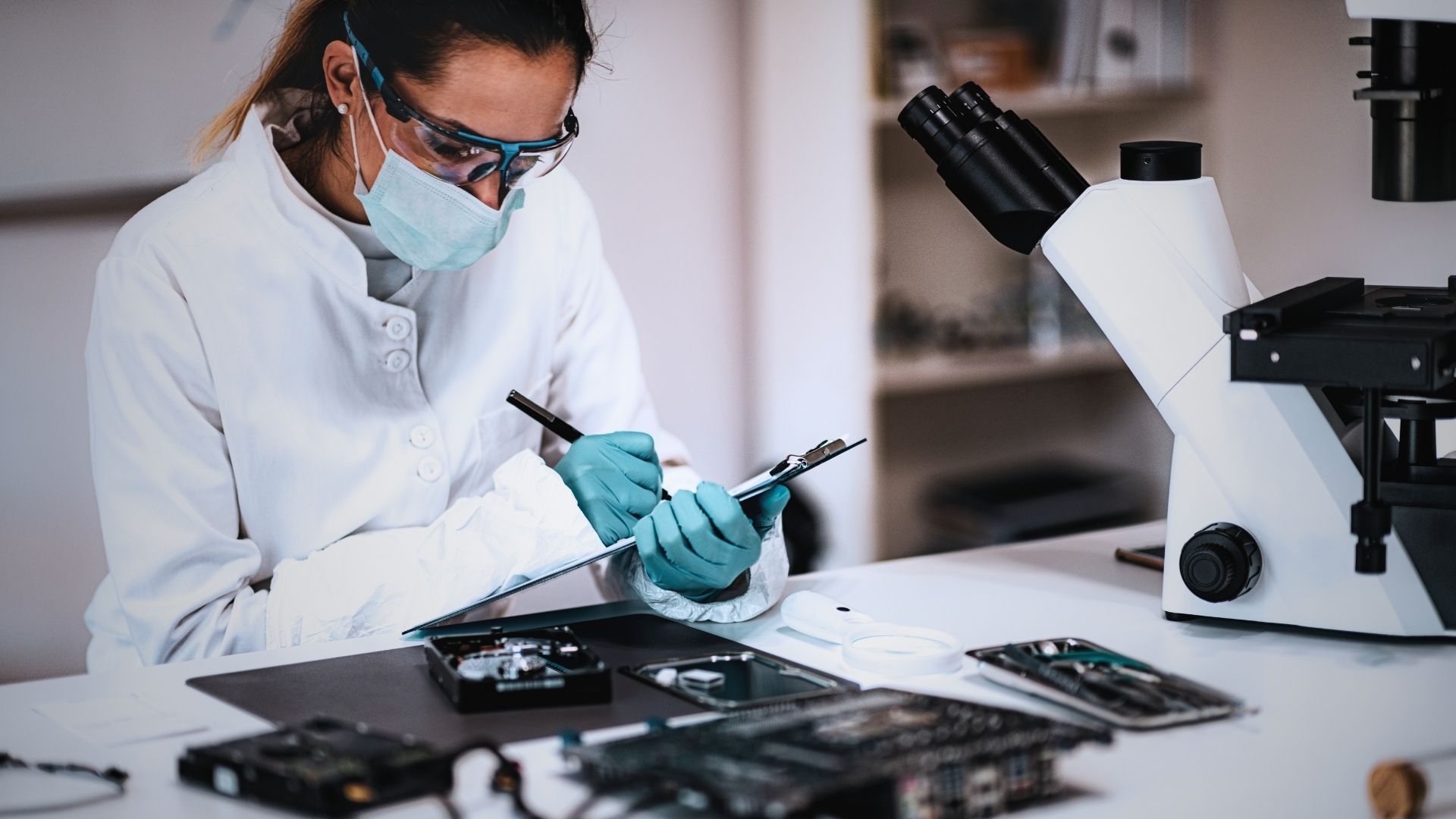
Forensics bridges science and investigation. This certificate program explores crime scene analysis, evidence handling, laboratory procedures, and how forensic processes influence timelines and narrative tension.
Courses
A Clear Cut Case of Murder – Or Is It? When Forensics Decide the Story
Not every murder is as straightforward as it first appears. Doug Starr, Jan Burke, Jonathan Hayes, Leslie Budewitz, Marcia Clark, and Stefanie Pintoff discuss how fiction writers can responsibly incorporate forensic science, investigative procedures, and legal realities into their stories. This session examines accuracy, ethics, and narrative impact, showing how grounding fiction in real forensic practice strengthens both credibility and suspense.
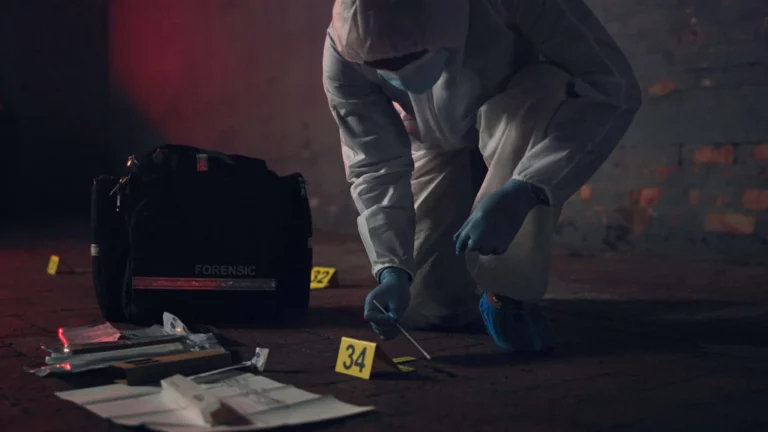
A Step-by-Step Guide to Crime Scene Investigation
Crime scene investigation is a process, not a single moment. This detailed session walks writers through every stage of an investigation, beginning with first response and continuing through evidence photography, sketches, and documentation. It offers a clear understanding of how procedures actually work, helping authors write investigative scenes with confidence and accuracy.
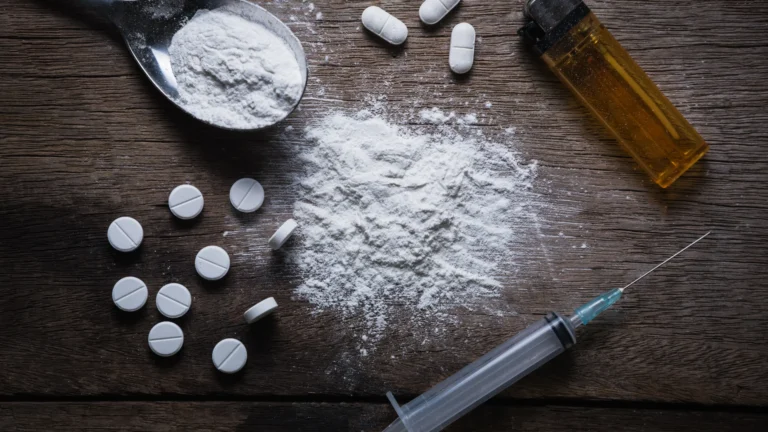
Death, Drugs, and Toxins: A Primer for Writers
Poisons, drugs, and unexplained deaths are common in crime fiction, but they are often misunderstood. Medical experts Jennifer Seibert, writing as J. L. Evans, and Christina VandePol draw on clinical and coroner experience to explain how toxicology and death investigation really work. This session gives writers the accuracy they need to portray dangerous substances, suspicious deaths, and medical evidence with confidence.
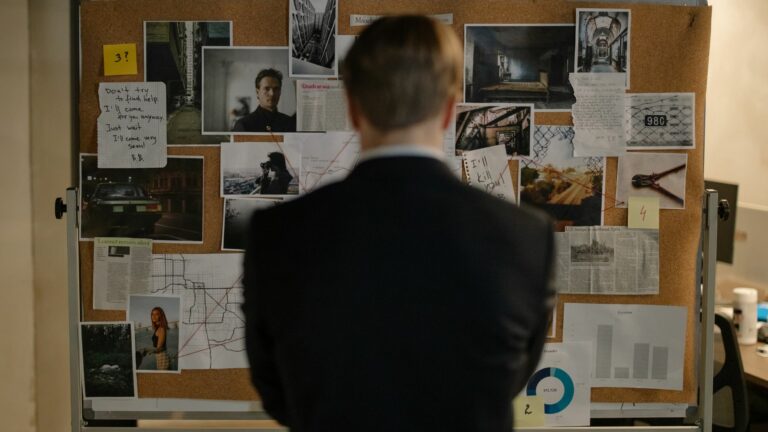
Fact vs. Fiction: Why Real Crime Scenes Don’t Look Like TV
Television has shaped how audiences think crime scenes work, but reality tells a very different story. Amy Drescher, Ernest Lancaster, and Royce Wilson compare real law enforcement and private investigation methods with their dramatized TV counterparts. They discuss how evidence is actually collected, why analysis takes time, and why many cases never receive full forensic workups. The conversation also touches on coping mechanisms, gallows humor, and the challenge writers face when making real procedures feel believable in fiction.
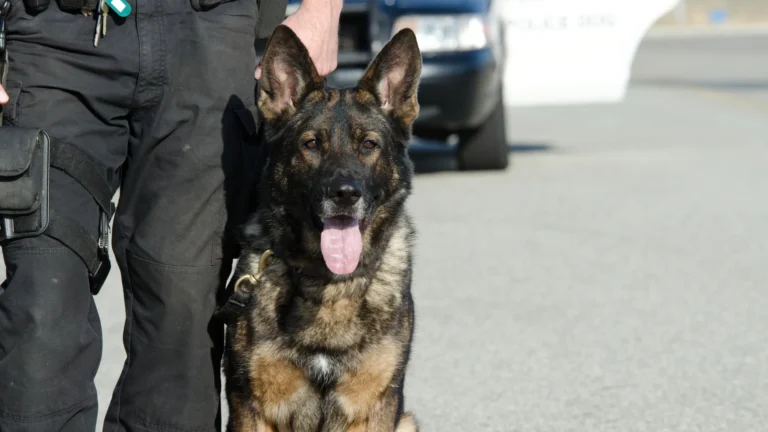
Following the Scent: The Science of Cadaver Dogs
In this fascinating session, authors Cat Warren and Kate Flora explore the science behind these highly trained “victim recovery dogs” and the vital role they play in real investigations. They also discuss how writers can portray cadaver dogs accurately in crime fiction, revealing the training, limitations, and remarkable instincts that make these dogs indispensable to solving mysteries.
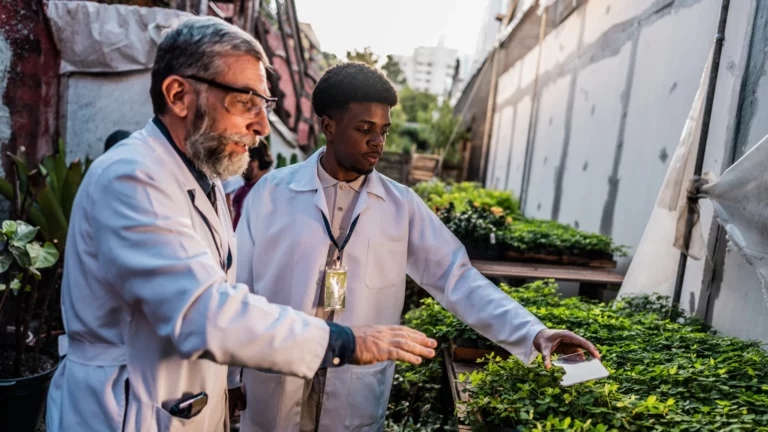
Forensic Botany: Using Plants to Solve Crimes
Plants can reveal clues people miss. Jane H. Bock introduces the fascinating world of forensic botany and explains how plant evidence has played a role in real criminal cases. This session shows writers how leaves, pollen, soil, and vegetation can become inventive and credible plot devices that add originality and authenticity to mystery fiction.
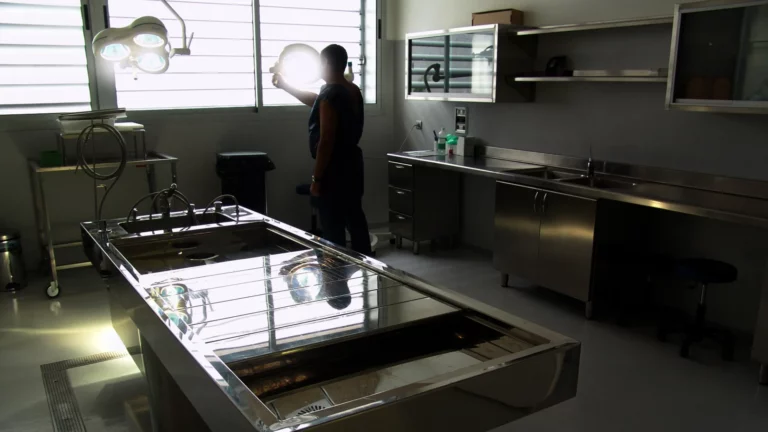
Forensic Death Investigation: What Autopsies Really Tell Us
What does a forensic pathologist actually learn from the dead? Bradley Harper draws on his career in autopsies and forensic death investigation to explain how causes of death are determined and documented. He also discusses how this real-world experience informs his approach to writing historical crime fiction, giving writers insight into blending medical accuracy with compelling storytelling.
Forensics and Technology in Modern Crime Fiction
Forensic science and technology have transformed the way crimes are investigated and solved. In this discussion moderated by a former police officer turned author, writers and experts explore how modern investigative tools shape real-world cases and influence the stories crime fiction authors tell. Learn how advances in forensics, digital evidence, and investigative technology can add realism, tension, and authenticity to mystery and thriller writing.
Forensics, Medicine, and the Art of Conspiracy
In this fascinating panel, forensic doctors and novelists pull back the curtain on conspiracies both subtle and sweeping. They discuss how real-world medical and scientific controversies inspire gripping fiction, how to balance plausibility with tension, and how expert knowledge can elevate a thriller from intriguing to unforgettable.
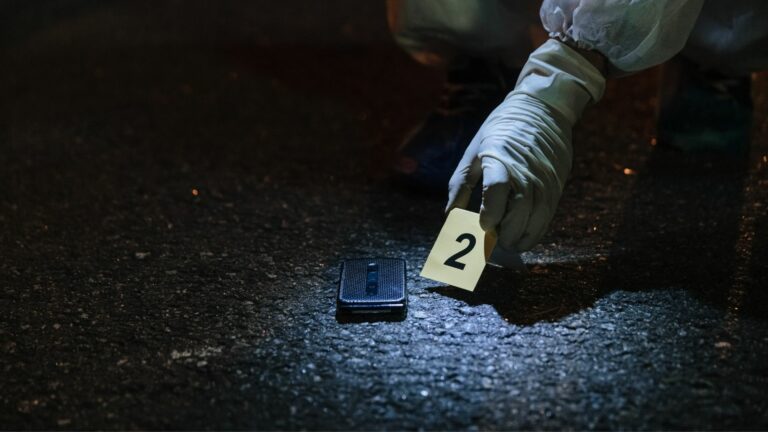
From First Response to Evidence Locker
The smallest mistake at a crime scene can change the outcome of an entire case. Connie Dial, Ernest Lancaster, John Madinger, Royce Wilson, and Sheila Stevens draw on real-world experience to explain how crime scenes are processed and how physical evidence is properly collected and preserved. This session highlights common errors seen in fiction and shows writers how investigators actually work from first response to evidence submission.
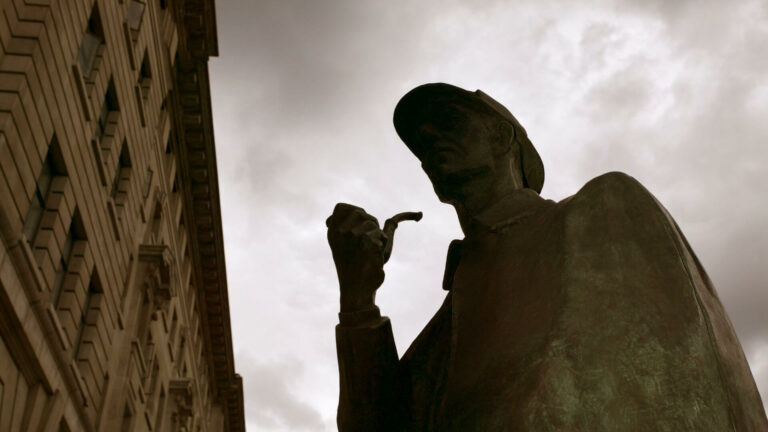
How Fiction Shaped Forensic Science
How did fiction help shape real investigative science? Bradley Harper explores the lasting influence of Sherlock Holmes on modern forensic methods, tracing how imaginative deduction inspired real-world techniques. This session connects storytelling and science, showing writers how to honor the roots of forensic investigation while creating believable modern mysteries.
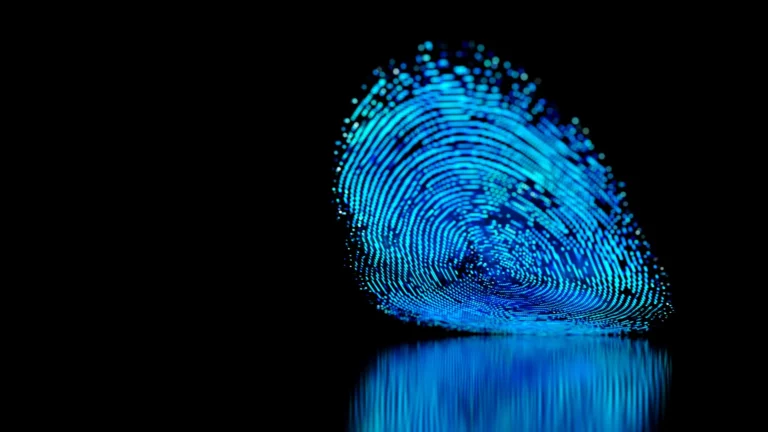
How Fingerprints Actually Identify Suspects
Fingerprint evidence is a cornerstone of criminal investigation, but it is often misunderstood. An FBI agent explains how fingerprints are really collected, classified, and compared in modern investigations. This session clears up common myths and shows writers how fingerprint analysis actually works in the field and the lab.
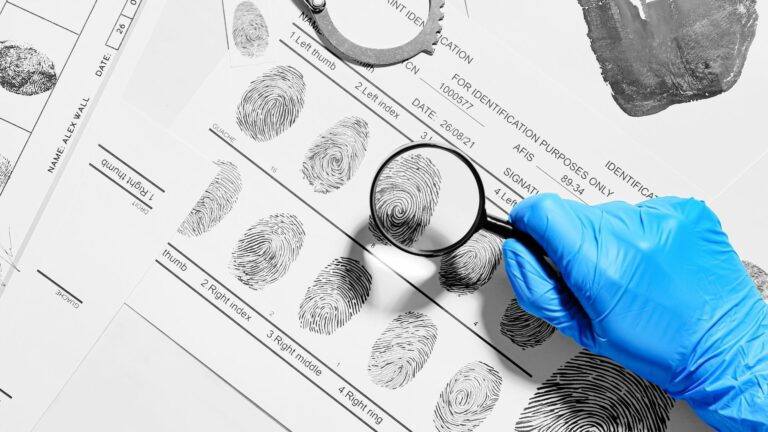
How Forensic Identification Cracks Cases
How do investigators use forensic identification to close cases that seem unsolvable? Mike Tabor walks listeners through real cases where identification evidence made the critical difference. This session gives writers a clear understanding of how forensic science is applied in practice and how accuracy in these details can strengthen credibility on the page.
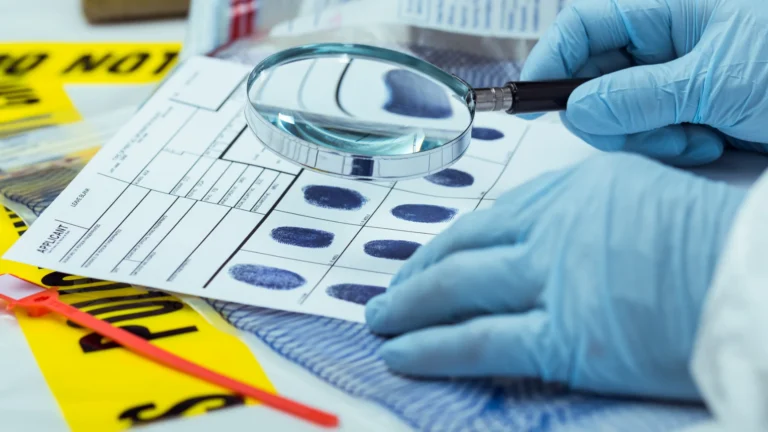
How Forensics Really Work in Fiction
How accurate does your forensics need to be to keep readers believing every word? Board-certified forensic pathologist and author Mary Jumbelic takes writers inside the realities of death investigation, trauma interpretation, and evidence handling. This master class focuses on the details that matter most, helping writers bring credibility, tension, and authority to crime scenes without overwhelming the story.
How Medical Examiners Read the Body
What can a body reveal before an investigation even begins? Jefferson Bass draws on firsthand experience working on a medical examination staff to explain how injury patterns help identify whether a death scene is natural, accidental, or criminal. This session gives writers practical insight into how medical examiners read the body and what details matter most early in an investigation.
How Sherlock Holmes Shaped Modern Forensics
Author and physician Bradley Harper explores how Sherlock Holmes was far ahead of his time, anticipating modern forensic science through deduction, experimentation, and analytical thinking. This session examines how Conan Doyle’s iconic detective helped inspire real world investigative methods and the development of the first crime labs.
Inside a Real Crime Scene Investigation
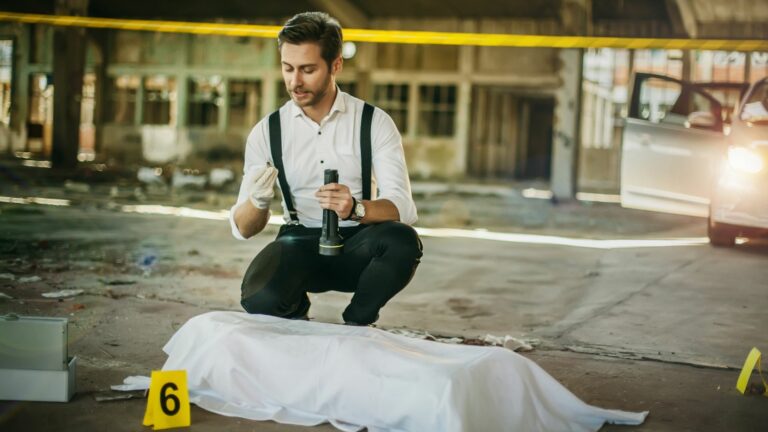
What really happens after the tape goes up? Special Agent and forensic scientist Dan Royse takes listeners inside real crime scenes to explain how they are processed, analyzed, and ultimately solved. Drawing from professional experience, this session breaks down the methods, technology, and teamwork that turn scattered clues into clear answers, giving writers a realistic foundation for investigative scenes.
Inside the Autopsy Room
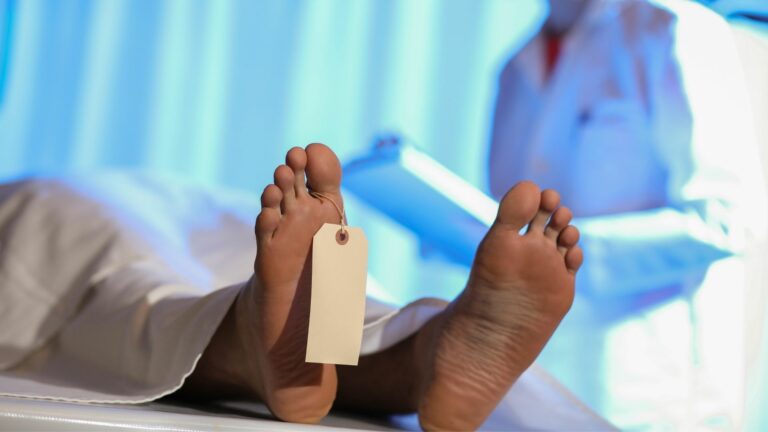
An autopsy often provides answers no witness can offer. This session walks through the full autopsy process, beginning with the discovery of a body and continuing through examination in the morgue. Writers gain insight into procedural steps, investigative significance, and the training required of forensic professionals, helping them portray post-mortem examinations with realism and confidence.
Intricacies of Forensics: The Evidence You Almost Can’t See
Some of the most powerful evidence is nearly invisible. Linda Littlejohn, a former trace evidence examiner and supervisor for the Tennessee Bureau of Investigation, walks writers through the world of trace and impression evidence. This session reveals how fibers, footprints, tool marks, and other subtle clues are analyzed and why they often play a crucial role in solving cases.

It’s Not CSI Miami: Why TV Forensics Get It Wrong
Television has shaped how audiences expect forensics to work, but reality tells a different story. Rachel Howzell Hall leads a discussion with DP Lyle, Jennifer Chase, Robin Burcell, Sheila Lowe, and Steve Scarar about the gap between science fact and pop culture myth. This session explores where fiction often goes wrong and how writers can create believable forensic details without relying on TV shortcuts.
Poison, Proof, and Suspicious Deaths
Poisons are often invisible, but their effects can be devastating. Mike Bodge explains how chemicals, household items, and naturally occurring toxins have been used in real homicide and suicide cases. This session explores how toxic substances cause death, when autopsies are performed, and how investigators decide whether a death warrants deeper scrutiny, giving writers realistic tools for crafting believable poison-based plots.
Reading a Crime Scene Like an Investigator
Every crime scene tells a story if you know how to read it. Royce Wilson guides writers through the fundamentals of crime scene investigation, explaining how professionals estimate time of death, interpret body temperature, and evaluate physical clues. This session helps writers understand how investigators reconstruct events so scenes feel grounded, logical, and authentic.
Reading a Crime Scene Through Blood
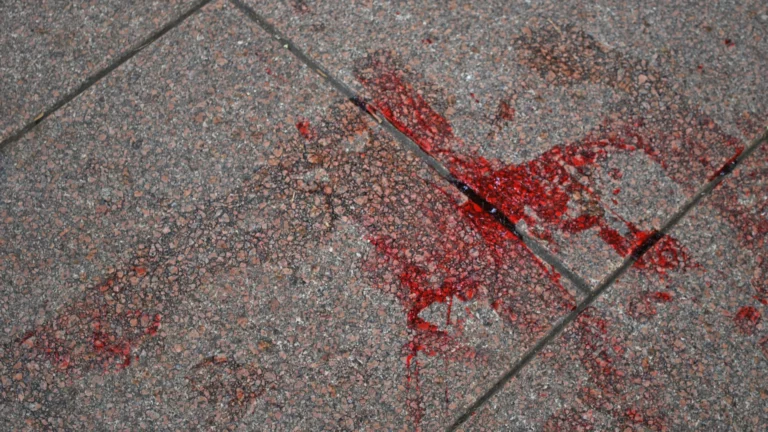
Bloodstain patterns often reveal how a crime truly unfolded. Forensic specialist Lisa Black explains how different types of bloodstains are formed and what they can tell investigators about movement, force, and timing. This session helps writers understand how blood behaves in various environments so crime scenes feel realistic and scientifically sound.
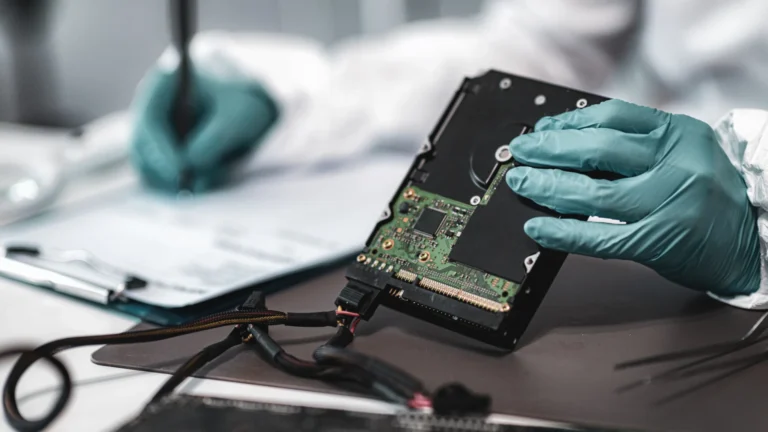
Solving Crimes Through Digital Evidence
Crime no longer lives only in the physical world. Steve Stratton introduces writers to digital forensics, explaining how electronic evidence is collected, analyzed, and used in modern investigations. This session demystifies phones, computers, and online data, showing how digital clues can drive believable plots in contemporary crime and thriller fiction.
The CSI Effect: What TV Gets Wrong About Crime Scenes
How much of what we see on television actually reflects real crime scene work? Sheila L. Stephens takes listeners inside real law enforcement and forensic investigations to separate fact from fiction. This session shows where popular crime shows get it wrong and how writers can avoid common myths to create mysteries that feel authentic and believable.
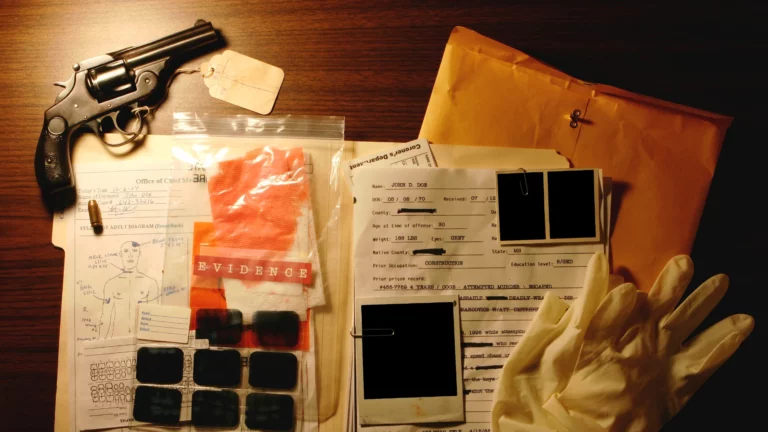
The Forensic Details Readers Believe
Small forensic mistakes can break a reader’s trust. Retired forensic supervisor and DNA analyst Joe Minor explains why accuracy matters and which details readers notice most. This session shares real-world insight that helps writers create crime fiction that feels authentic, grounded, and believable from the first clue to the final reveal.
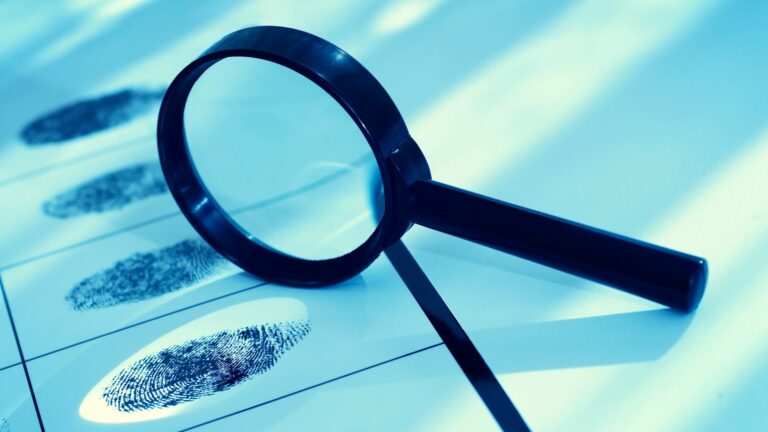
What the Body Reveals After Death
Physical evidence often holds the truth long after witnesses are gone. Bill Bass, founder of the University of Tennessee’s Body Farm**, walks listeners through real cases to explain how forensic science solves crimes. Drawing from decades of experience, this session reveals how bones, decomposition, and environment speak for the dead and bring clarity to real-world investigations.
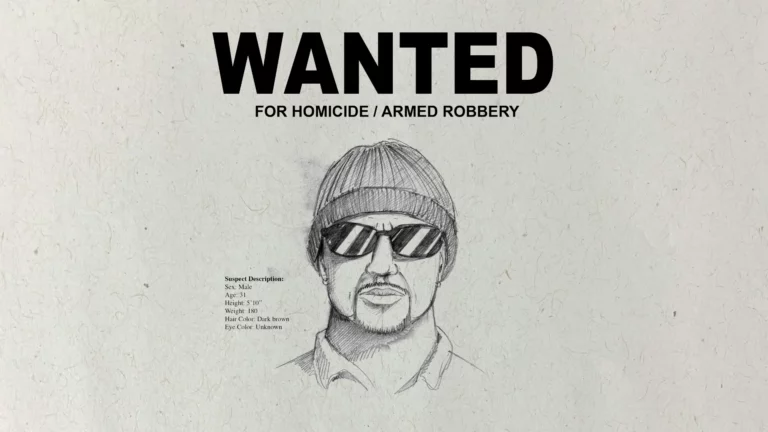
When Art Helps Catch a Criminal
When no photograph exists, art can move an investigation forward. TBI agent Phil Cicero discusses his work creating forensic composites and facial reconstructions. This session explores how witness descriptions are translated into images and how those images help identify suspects and advance real cases.