
Research Education
Firearms
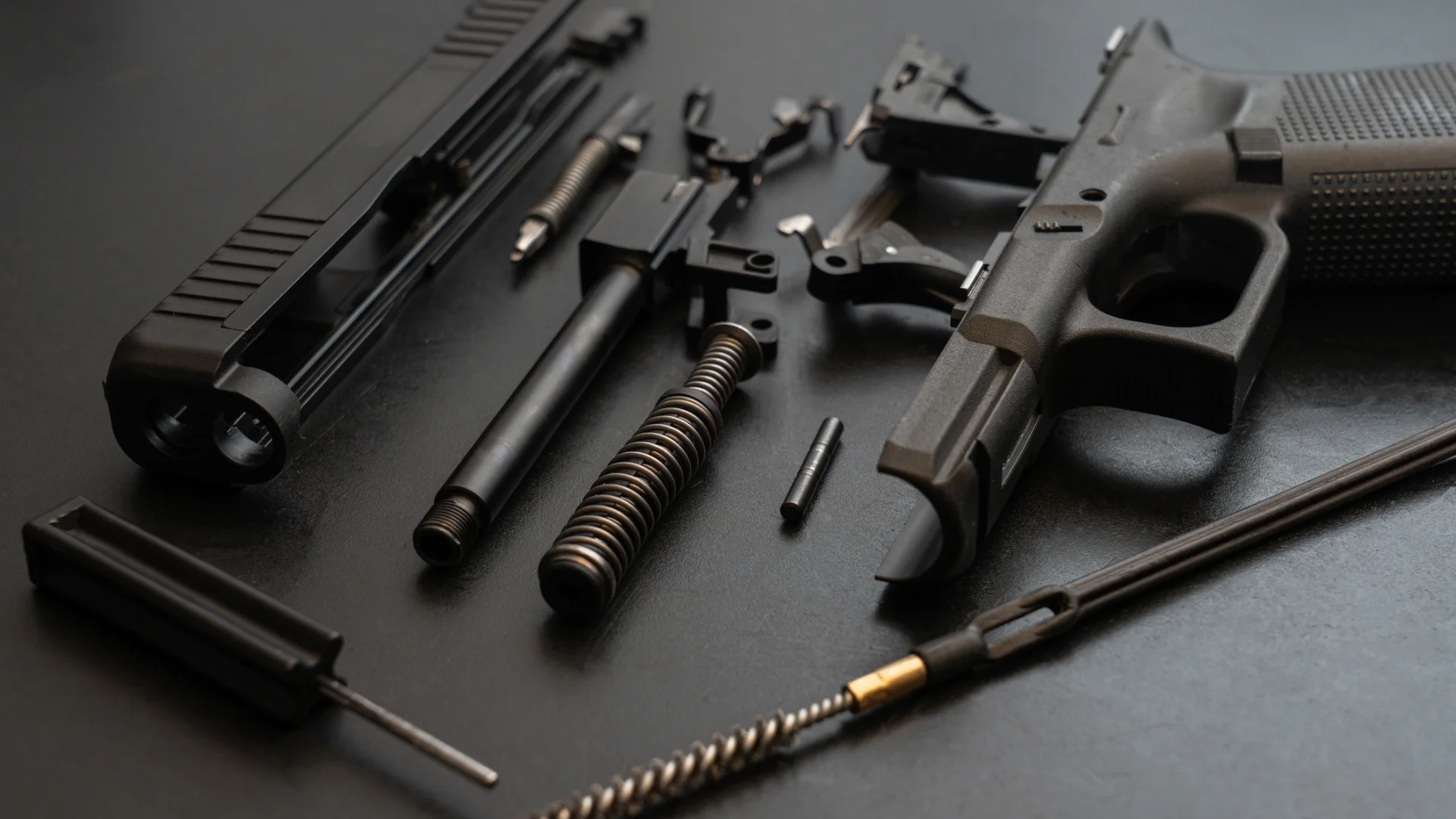
Accuracy matters when writing about weapons. This certificate program covers firearm terminology, safe handling basics, operational realities, and common misconceptions to help writers portray firearms responsibly and convincingly.
Courses
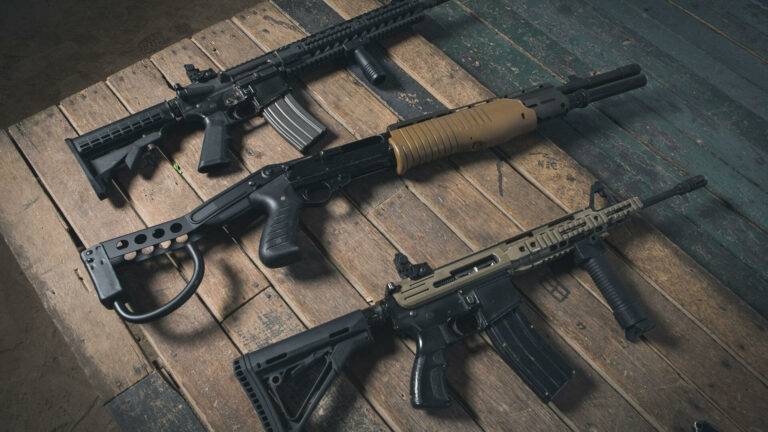
Firearms: Getting It Right
Firearms mistakes can instantly pull readers out of a story. In this session, Jeff Shaw gives writers a clear, practical foundation in firearms, covering shotguns, rifles, and handguns. The focus is on accuracy and realism, helping authors write action scenes and character moments that feel credible and confident on the page.
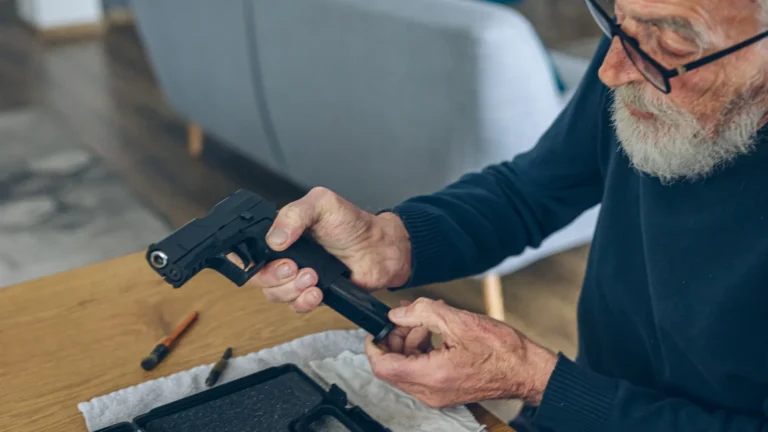
Firearms: Mistakes in Fiction and Television
In this eye-opening session, author Chris Grall breaks down the most common misconceptions about firearms in fiction and television. He explains what writers routinely miss, what viewers misunderstand, and how small inaccuracies can undermine credibility.
Guns, Ammo, and Realistic Handling for Writers
Writing firearms well requires more than knowing which gun a character carries. In this session, experts break down essential information about guns, ammunition, and proper handling. Writers will learn how to portray firearm use with realism and responsibility, avoiding common errors while adding authenticity to their scenes.

How Illegal Guns Move Through America
How do illegal firearms actually move through the United States? A retired ATF agent with more than 25 years of experience explains how guns flow through criminal networks, including how felons and cartels obtain and even manufacture weapons. This session provides real-world insight into the systems behind gun crime and the realities writers often miss.
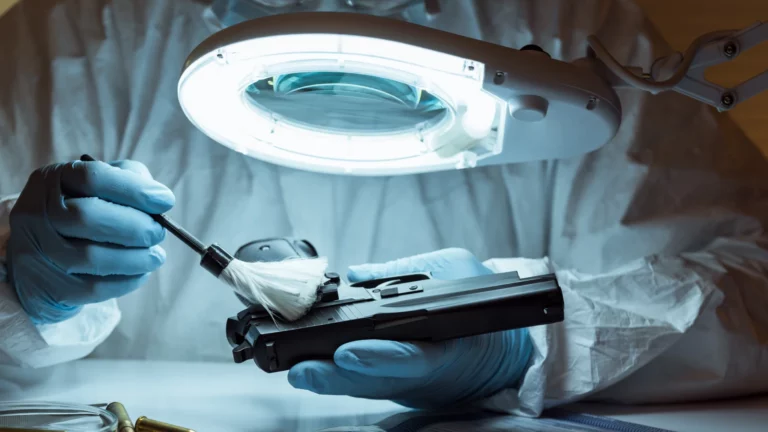
Inside Ballistics and Firearms Evidence
Ballistics often hold the key to solving crimes. A Tennessee Bureau of Investigation special agent and forensic scientist explains how firearms identification really works, from matching bullets to specific weapons to interpreting ballistic evidence. This session offers writers an inside look at the science behind gun-related investigations and how that evidence is used in real cases.
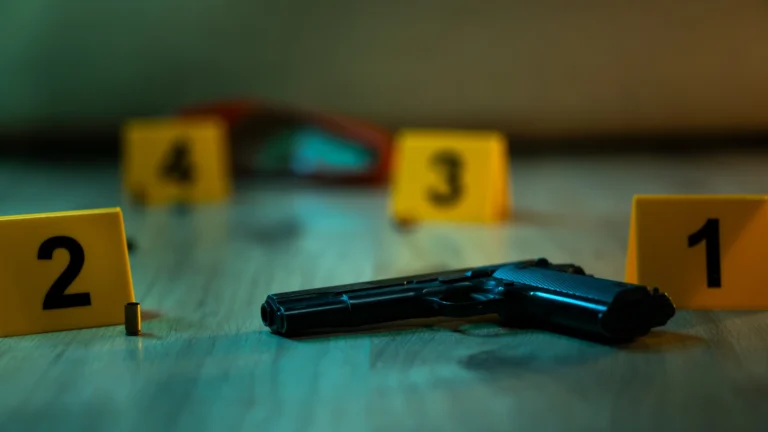
The Firearms Details Readers Notice
Clear, accurate firearm details can strengthen a story, while small mistakes can weaken it. Firearms expert Chris Grall delivers a practical guide for writers, covering safe handling, correct terminology, and realistic portrayal of weapons. This session helps authors avoid common missteps and write firearm scenes that feel informed and believable.
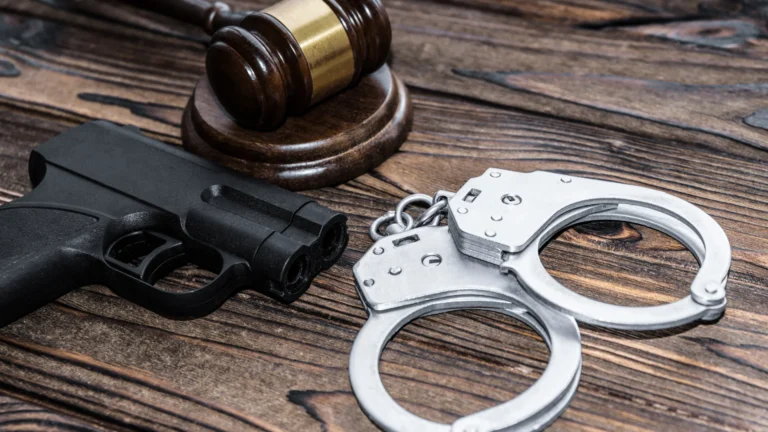
Weaponry in Crime Fiction
Weapons can shape both plot and character in crime, mystery, and thriller stories. In this session, authors discuss how to research and portray weapons accurately, and how the presence of violence and danger influences tension, stakes, and character development.
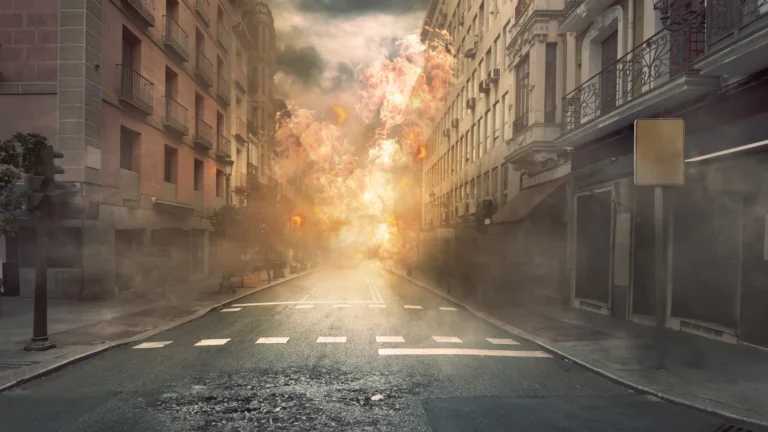
Writing Explosions with Realism
Explosives safety expert and bestselling author John Gilstrap leads a discussion with fellow writers on how to portray hazardous materials, detonations, and their aftermath with accuracy and tension. The panel explores common misconceptions, real-world consequences, and practical details that can help authors create scenes that feel both thrilling and believable.