
Research Education
Crime
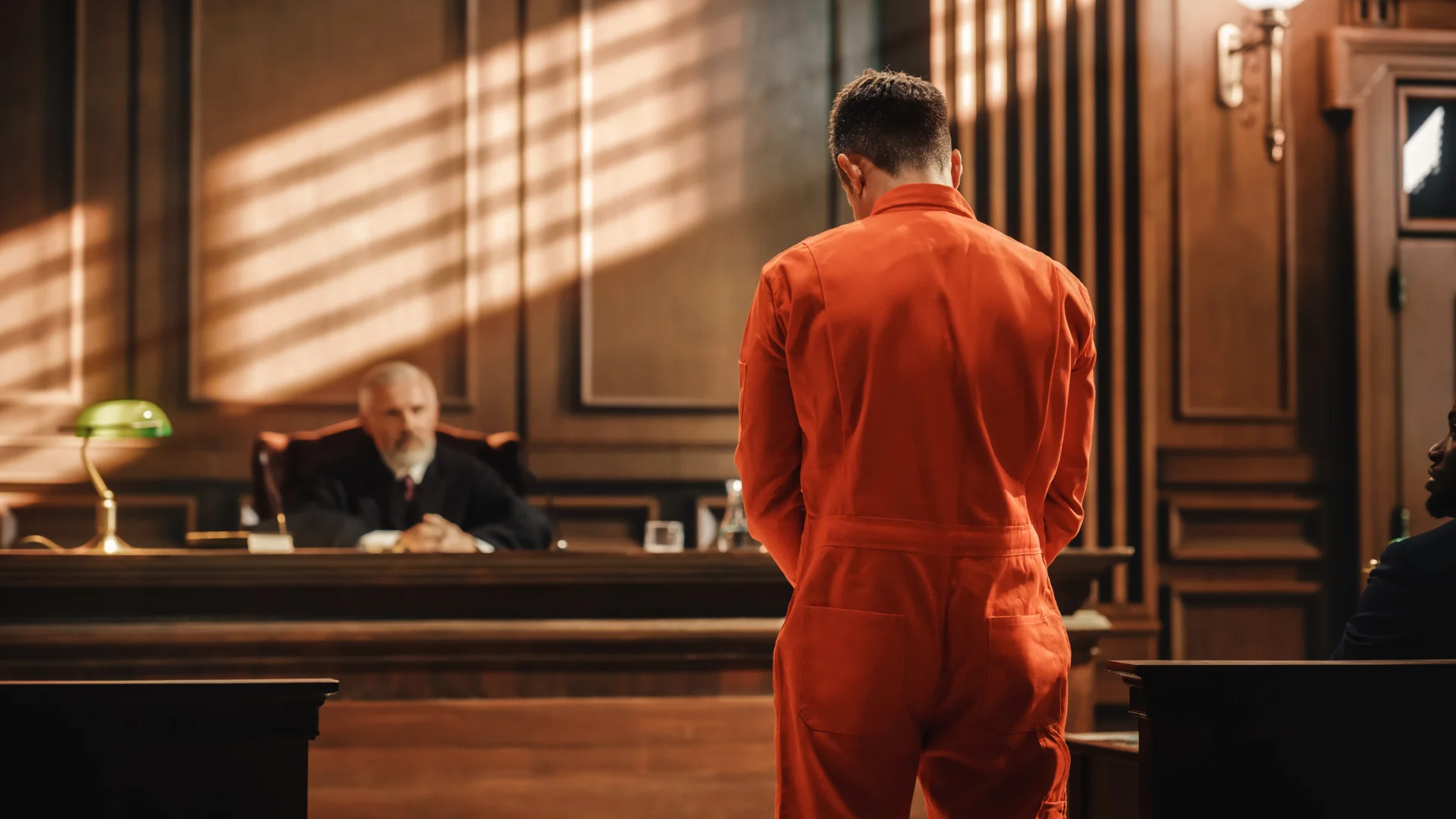
Understanding crime strengthens authenticity in fiction and nonfiction alike. This certificate program explores criminal behavior, motivation, structure, and the societal forces that shape unlawful acts, helping writers portray crime with realism and nuance.
Courses

50 Ways to Kill Your Lover
Killing a character is never just about the method. Claire Applewhite, Jennie Bentley, Mike Orenduff, and Philip Cioffari discuss the wide range of ways authors approach fictional deaths, from research choices to narrative impact. This session explores how much realism is enough, how craft decisions shape reader response, and how to handle violence thoughtfully and effectively on the page.
Crime to Conviction: The Path of a Criminal
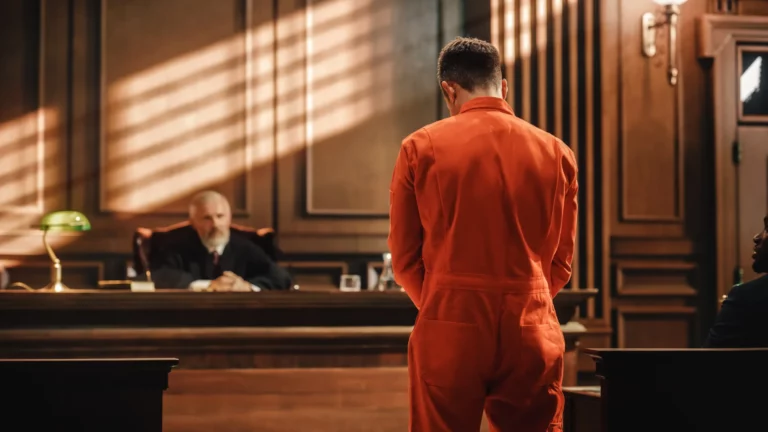
What really happens between the first crime and a final conviction? Amy Rivers, Arl Farris, Bruce Robert Coffin, James Glass, Larry Enmon, and Michael Jordan draw on real law enforcement experience to walk listeners through every stage of a criminal case. This session follows the process from investigation and arrest to prosecution and courtroom outcome, giving writers a clear, realistic understanding of how justice unfolds in the real world.

Follow the Money: Inside Money Laundering
Money laundering is the engine that keeps many criminal operations alive. In this session, the speaker explains how illegal funds are concealed and moved through legitimate systems, including real estate, banking, and business ventures. Using real-world examples, this discussion reveals the methods criminals use and the professionals who sometimes enable them, giving writers the tools to portray financial crime with clarity and realism.

Getting White-Collar Crime Right
White-collar crime rarely looks the way fiction portrays it. Jack Sharman, a white-collar criminal defense lawyer and writer, breaks down how these crimes really work, challenging common assumptions and popular myths. This session introduces ten counterintuitive truths that help writers portray fraud, corruption, and financial crime with clarity, tension, and authenticity.
How Crime Went Digital
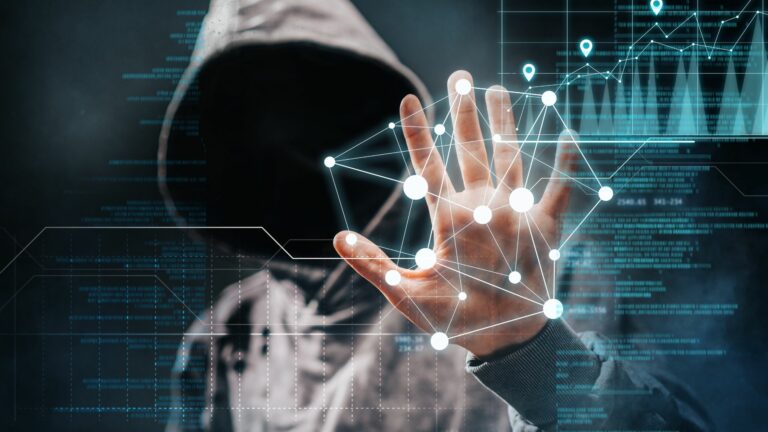
Crime has gone digital, and so have the people trying to stop it. This session explores how cyber crime has evolved, how criminal enterprises operate online, and why law enforcement priorities continue to shift. Listeners will learn how organized crime intersects with digital activity, what modern cyber operations look like, and how these realities can add credibility and tension to contemporary crime stories.

How Organized Crime Really Works
Organized crime is more than a single syndicate or stereotype. Bill Fite, Carmen Amato, J. L. Hill, James L’Etoile, Jeffrey James Higgins, and Robin Yocum draw on firsthand knowledge and rigorous research to explore how criminal organizations really operate. From traditional mafia structures to modern networks, this session focuses on codes of loyalty, internal conflict, and the consequences that bring true authenticity to crime fiction.

Inside a Real Crime Scene
What really happens at a crime scene before it ever reaches a courtroom or a novel? Former Tennessee Bureau of Investigation assistant director Dan Royce moderates the Crime Scene event at the 13th annual Killer Nashville conference, offering an insider’s look at real investigative techniques. This session gives writers a grounded understanding of how professionals approach evidence, analysis, and decision-making.

Inside the Power Structure of Prison Gangs
Drawing on deep professional experience, James L’Etoile takes listeners inside the closed world of prison gangs. This session breaks down how these groups form, how power is maintained, and what motivates loyalty and violence behind bars. Writers gain a realistic understanding of prison culture and learn how to portray it authentically and responsibly on the page.

Monsters: How Law Enforcement and Villains Use Technology
How technology shapes both crime and justice is changing faster than ever. Hilary Davidson, Chris Knopf, J.T. Ellison, Kristy Montee, and Sam Reaves explore how police and criminals actually use technology in the real world and how those tools translate onto the page. This session focuses on accuracy, credibility, and practical ways writers can use modern tech to raise stakes and deepen realism in crime fiction.

Murder 101: How Homicide Really Works
What really happens when a homicide occurs? This session walks writers through the realities of murder, from the physical mechanics of death to the investigative and forensic steps that follow. Designed for mystery and crime writers, it clarifies common misconceptions and provides a grounded understanding of how homicide cases are handled in the real world.

Murder In Cyberspace
From hacking and digital surveillance to online identities and virtual crime scenes, cybercrime has reshaped modern mystery and thriller fiction. In this panel, authors explore how technology drives plot, raises new ethical questions, and creates fresh kinds of danger. They discuss the challenges of writing believable virtual crimes and how storytelling evolves when the battlefield is entirely online.
Narcotics at Miami Airport – pt. 2
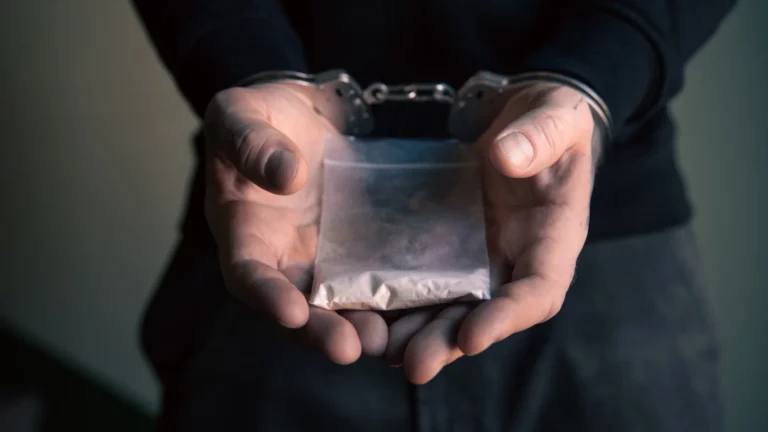
Day two continues the inside story of narcotics enforcement at one of the busiest airports in the world. A former plainclothes officer recounts real undercover assignments and trafficking investigations, revealing the challenges, tension, and split-second decisions that define the work. This session offers writers authentic detail that brings law enforcement scenes to life.

Narcotics at Miami Airport –pt. 1
Drug interdiction at a major international airport is fast-paced, risky, and rarely glamorous. In this session, a former undercover officer from the Miami Airport narcotics team shares firsthand stories from the field. Listeners gain a gritty, realistic look at how drug investigations begin and how law enforcement operates under constant pressure.

Real Homicide Cases: Then and Now
Pat from the Metro Police Department shares insights from real homicide cases, comparing investigative methods from the late 1900s to more modern approaches. This session also explores the unique challenges of cold cases and how time impacts evidence, leads, and case resolution.

The Dark Side of Corporate Crime
In this sharp, insightful panel, authors explore how white collar crime fuels modern mysteries and thrillers. From financial fraud and corporate corruption to insider schemes and quiet betrayals, they discuss how to build tension around crimes that are sophisticated, devastating, and chillingly plausible.

The Mechanics of Digital Manipulation
The online world is built on persuasion, illusion, and manipulation. Carmen Amato examines how digital deception shapes everyday life, from subtle influence to large-scale fraud. This session looks ahead to the future of virtual interaction and shows writers how to use digital realities to raise stakes, sharpen conflict, and create believable modern plots.

Through Her Eyes: Writing Domestic Violence With Accuracy and Care
Domestic violence and sexual assault demand careful, informed storytelling. In this session, a prosecutor offers insight into how these cases are investigated and prosecuted, while dispelling common myths and examining offender behavior and toxicology. The discussion emphasizes trauma-informed perspectives and provides writers with tools to portray victims and survivors with depth, accuracy, and compassion.

Understanding Human Trafficking for Writers
Human trafficking is one of the most misunderstood crimes, both in life and on the page. Drawing on firsthand experience as a police officer, Mike Brieba explains how trafficking cases actually unfold, what warning signs investigators look for, and where fiction often goes wrong. This session guides writers in approaching the subject with accuracy, responsibility, and respect for victims.