
Genre Writing
True Crime and Nonfiction
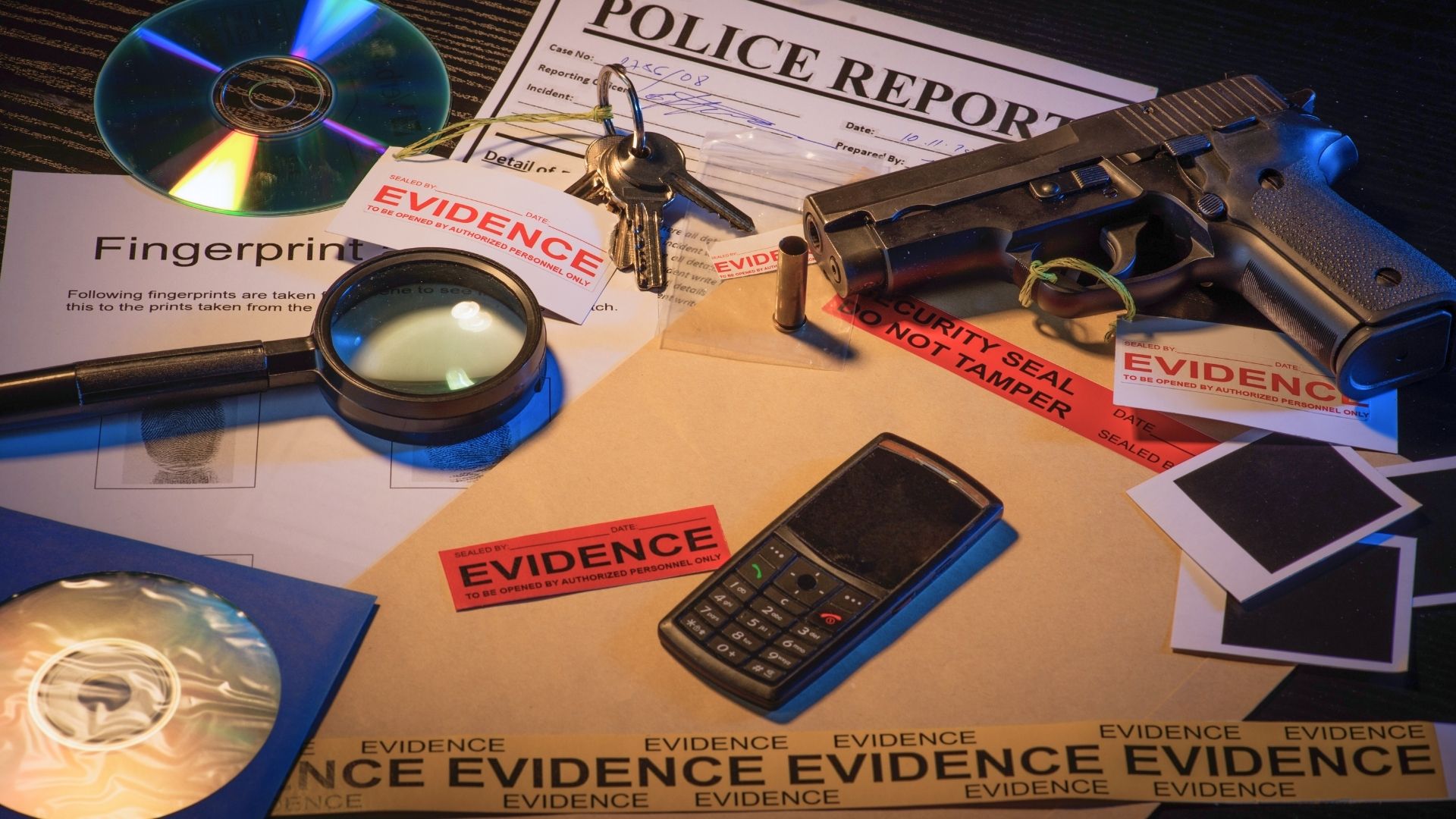
True crime and narrative nonfiction demand accuracy and ethical responsibility. This certificate program explores research methods, factual integrity, narrative shaping, and balancing sensitivity with compelling storytelling.
Courses
A Study in Manipulation and Control: The Case of Gypsy Rose Blanchard
Presented by Mad Ginger Entertainment, this session examines the disturbing true story of Gypsy Rose Blanchard and her relationship with her mother, Dee Dee. The discussion explores medical fraud, manipulation, and psychological control, revealing how these forces built toward an unforgettable tragedy. It is a chilling case study in the darker corners of human behavior.
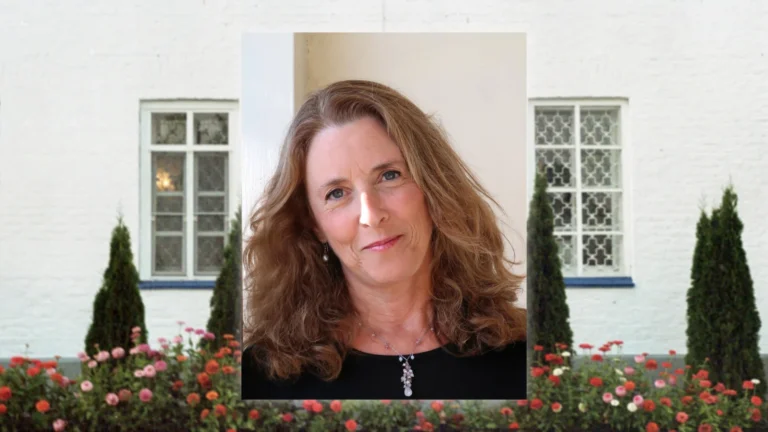
Caitlin Rother on True Crime, Ethics, and Telling Stories That Matter
Clay Stafford interviews true crime author Caitlin Rother about her meticulous research process, the ethical challenges of writing real stories, and how she shapes complex case material into compelling narrative nonfiction.

From Case File to Published Story
What does it really take to turn a real case into a publishable true crime story? In this session, a seasoned true crime writer breaks down how to choose compelling cases, conduct thorough and ethical research, and handle sensitive material with care. The focus is on balancing accuracy, responsibility, and storytelling so real lives are respected while readers stay fully engaged.

Justice, Humanity, and the Crime Story
Crime fiction and true crime often begin with the same question: what does justice really look like? Amanda Kyle Williams, Connie Dial, Michelle Gagnon, and Vicki Delany share how their experiences with true crime and law enforcement inspired stories that balance procedural detail with emotional truth. This session looks at where justice, morality, and humanity meet on the page.
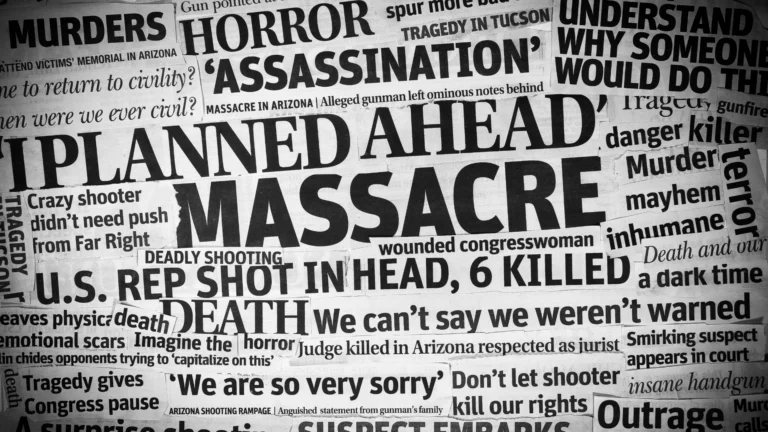
Murder in the Headlines: Writing the Crimes Everyone Is Talking About
When real crimes dominate the news cycle, how do writers tell those stories responsibly and powerfully? Jackie Barrett, Jane Turzillo, Rick Porrello, and Thomas H. Cook discuss the challenges of writing true crime drawn from headlines, with a focus on ethics, empathy, and narrative tension. This session explores how to honor real people while still crafting stories that hold readers from start to finish.

Researching and Writing Real Crime Stories
Why does true crime continue to fascinate readers across generations? Chris Berg, Christine Mager Wevik, David Bushman, Fancy Macelli, Lynn Chandler Willis, and Patrick Kendrick share practical techniques for researching real cases, shaping compelling narratives, and navigating the ethical responsibilities that come with telling true stories. This session focuses on writing that is both rigorously factual and deeply engaging.

Telling the Truth Without Letting Go of the Reader
What makes true crime impossible to put down while still honoring the truth? David Bushman and Richard S. Jaffe examine where fact, storytelling, and ethics meet, with a clear-eyed look at research, objectivity, and authentic dialogue. This session explores how to portray real people and real prosecutions with accuracy and integrity while keeping the narrative as gripping as a novel.
The Art of Writing True Crime
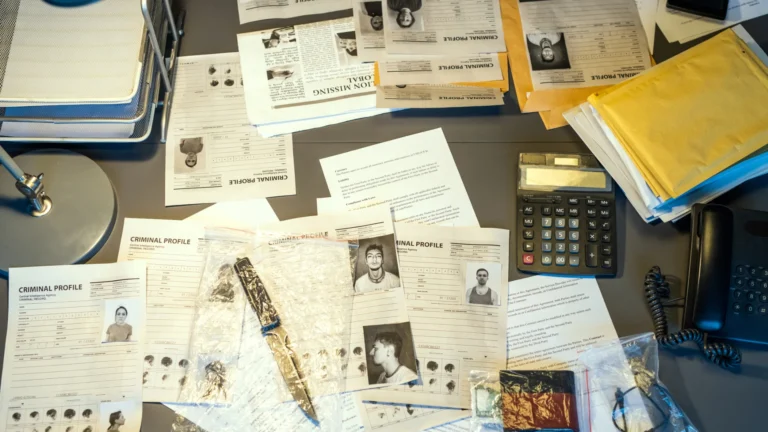
How do you turn real crime into a story readers cannot put down? Acclaimed nonfiction crime authors discuss how they approach writing true historical cases, from deep research and verification to shaping narrative tension without distorting the facts. This conversation explores the craft choices that bring real events to life while honoring the truth.
The Responsibility of Telling Real Crime Stories
Writing true crime comes with unique responsibilities and rewards. Caitlin Rother, Carla Conti, Christine Mager Wevik, Lisa Wysocky, and Peter Houlahan draw on firsthand experience to discuss research methods, ethical challenges, and the weight of telling real stories. This session explores how to turn real tragedies into powerful narratives that remain truthful and deeply human.

True Crime: The Case of Becky Sue Peterson
Drawing on his firsthand law enforcement experience, Trey Barker walks listeners through the investigation of the Becky Sue Peterson case. This session offers an insider’s view of real police work, criminal behavior, and the human realities that shape true crime beyond the headlines. It is a grounded, compelling look at how cases unfold and how investigators live with the stories they carry.
Turning Real Crimes into Page-Turners
Peter Houlahan, award-winning author of Norco ’80, breaks down how to transform raw facts into a relentless true crime thriller. Drawing from real 911 calls, court records, and interviews, this master class shows how to impose structure on chaos and build escalating tension without sacrificing accuracy. Attendees gain practical insight into shaping real events into a gripping narrative that reads like a novel.

Using Real Investigative Experience in True Crime Writing
Real investigations leave a lasting mark on the writers who experience them firsthand. Connie Dial, Kathryn Casey, Matt Hilton, Michael A. Black, and Neal Baer draw on their professional backgrounds in forensics, medicine, and investigation to discuss how real-world experience sharpens authenticity on the page. This conversation explores how lived knowledge of crime and consequence can elevate true crime storytelling.

What True Crime Can Teach Writers
True crime offers powerful lessons for every kind of writer. Caitlin Rother, Carla Conti, Christina VandePol, Jessica Noll, and Mark Zeid share guidance on researching real events, structuring complex stories, and writing with both accuracy and sensitivity. This session focuses on how to learn from real cases while telling stories that are compelling, respectful, and emotionally grounded.
Why True Crime Grips Us
In this panel moderated by Kathleen Ryan, authors explore the enduring fascination with true crime and why real cases captivate readers so deeply. They discuss the key differences between writing true crime and fictional crime, from research and ethics to narrative structure, and how each approach shapes the way stories of justice, violence, and truth are told.
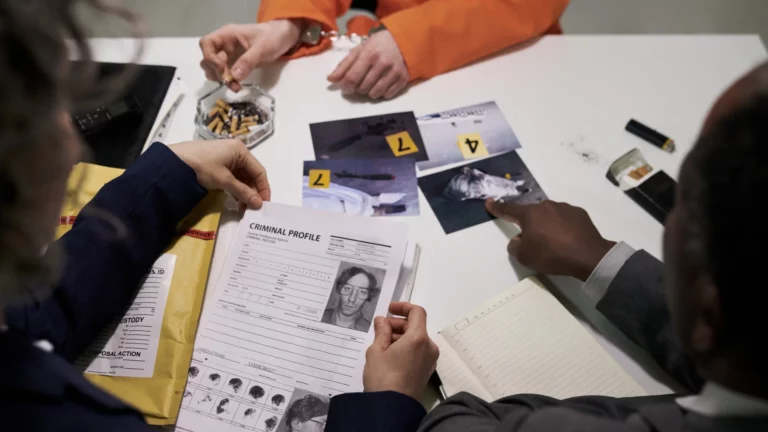
Writing Long-Form True Crime
Long-form true crime demands more than a gripping case. Bruce Allen Murphy, Christie Louis, Deb Richardson-Moore, Ernest Lancaster, Michael Norton, and Tess Collins discuss how to sustain narrative momentum across full-length nonfiction projects while honoring truth and ethical responsibility. This session explores structure, research depth, and storytelling choices that bring complex real lives to the page.

Writing True Crime Across Multiple Formats: Nonfiction, Memoirs, Essays, and Documentaries
True crime takes many forms, and each brings its own challenges. Kelly Oliver, Bruce Allen Murphy, Bruce Meisterman, Phyllis Gobbell, and Shaun Assael discuss how to find powerful stories in real events, balance accuracy with narrative momentum, and approach subjects with depth and integrity. This session offers guidance for writers working across nonfiction, memoir, essays, and documentary storytelling.