
Genre Writing
Paranormal and Supernatural
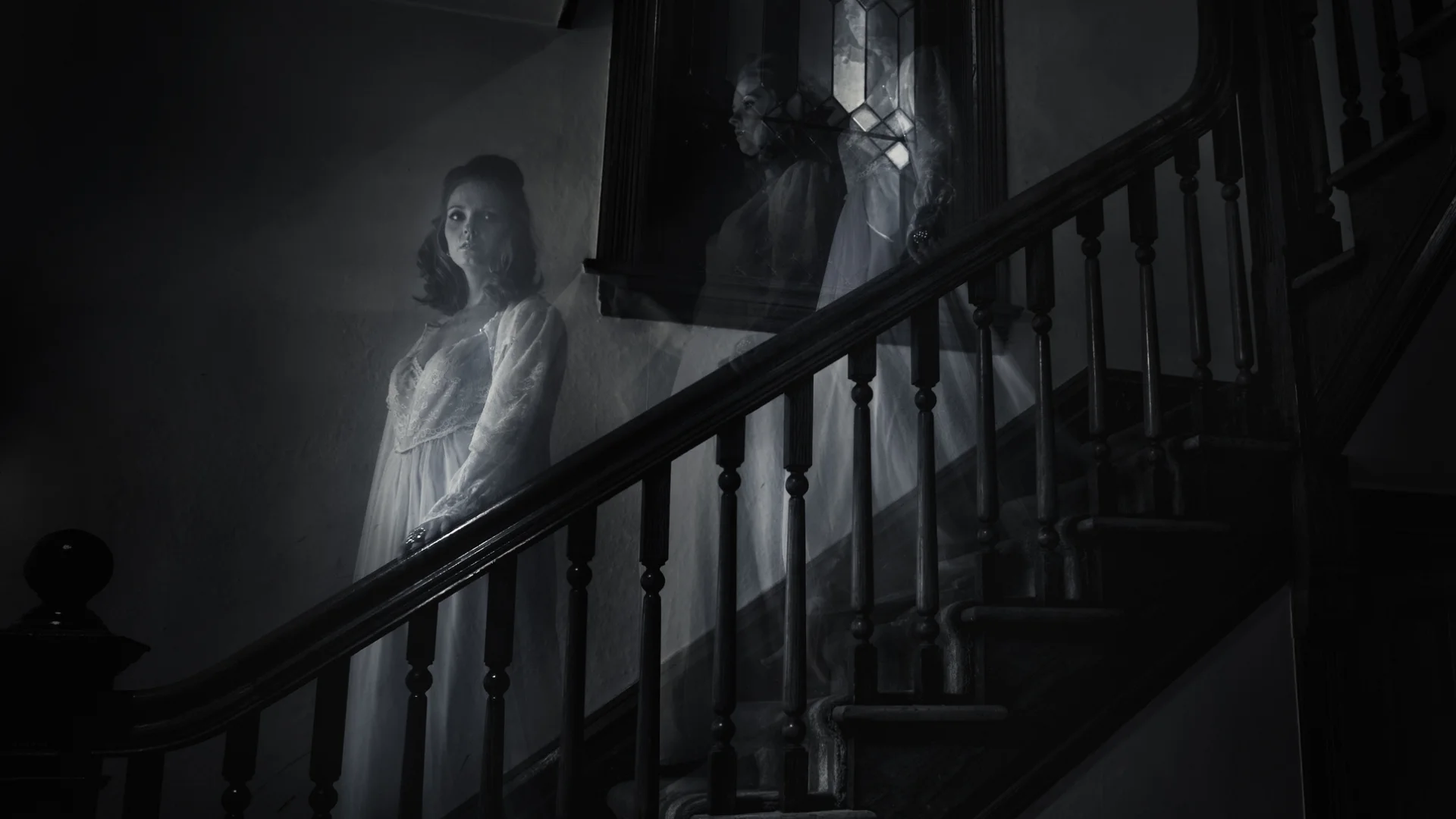
Paranormal fiction blends the ordinary world with extraordinary forces. This certificate program explores myth systems, supernatural rules, suspense, and character development within otherworldly frameworks.
Courses
Building a Believable Supernatural World
Amy Denton, Nancy Sartor, Randy Overbeck, and Valona Jones break down what makes paranormal and supernatural fiction truly work. They explore how to balance magic with realism, create clear and believable rules, research unfamiliar elements, and pitch a supernatural world in a way that feels vivid, grounded, and market ready.
Building Paranormal Worlds Readers Believe In
Dana Cameron, Juliet Blackwell, Kat Richardson, and S.J. Rozan discuss writing mysteries infused with the supernatural. They explore how to balance imagination with realism, create consistent paranormal rules, and build worlds where witches, vampires, and other strange elements feel completely believable.
How to Write Paranormal Thrillers That Terrify and Thrill
Andy Davidson, Dee Phelps, and Jan Walters focus on writing paranormal thrillers that keep readers on edge. They discuss atmosphere, pacing, and inspiration, and share techniques for creating stories that blend fear, suspense, and the unknown into page turning fiction.
How to Write the Supernatural with Emotional Truth
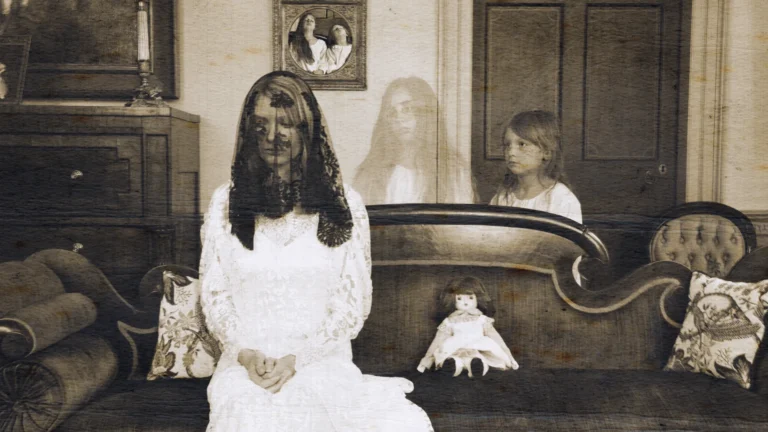
Amy Denton, Christine Mager Wevik, Mary Lynn Cloghesy, Mike Tucker, Rick Glaze, and Terry Friedman discuss how they incorporate supernatural elements into their fiction. They explore blending mystery, fear, and the unknown with emotional truth, and how to make otherworldly stories feel personal and compelling.
Making Ghostly Mysteries Feel Real
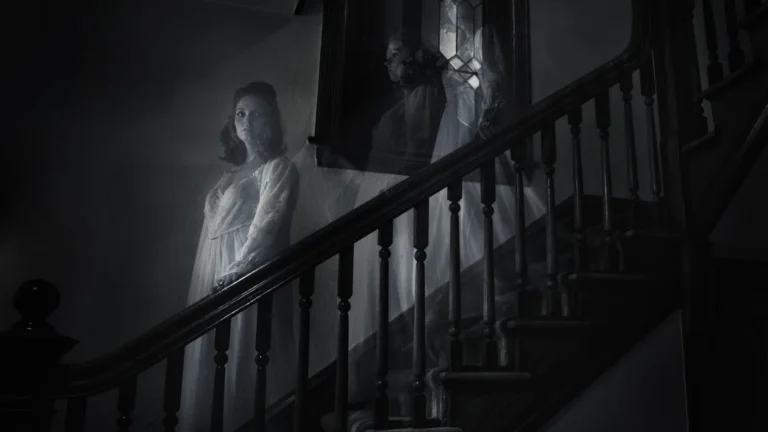
Margaret Lucke, Stephen Blackmoore, Sue Ann Jaffarian, and Terri Bischoff talk about writing paranormal mysteries that truly work. They explore how to balance supernatural elements with believable characters and grounded emotion, and how to keep ghostly stories feeling fresh rather than familiar.
Making the Paranormal Feel Real in Mysteries
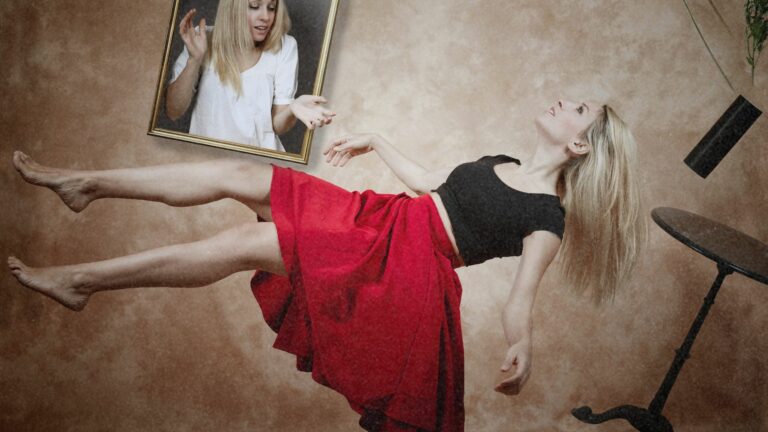
Carolyn McSparren, Karen McCullough, and Phyllis Appleby discuss how to weave paranormal elements into mystery fiction without losing credibility. They explore suspension of disbelief, blending the supernatural with everyday reality, and using otherworldly elements to raise tension and deepen emotional stakes.

Making the Supernatural Feel Real
Amy Denton, Christine Mager Wevik, Kimberly A. Banks, Leslie Connor, and Maggie Toussaint take writers inside the craft of horror and paranormal fiction. They discuss how to build atmosphere, create believable fear, and ground supernatural elements in emotional truth so stories linger long after the final page.

Night Chills: Where Crime, Myth, and the Supernatural Collide
Angie Fox, Dakota Banks, Jason Starr, M. R. Sellars, Monette Michaels, and Sarah E. Glenn dive into the darker side of paranormal crime fiction. They discuss inspiration, mythology, and worldbuilding, and share how unusual influences can lead to bold, memorable stories that mix crime, horror, and the supernatural.
Why Supernatural Mysteries Never Lose Their Power
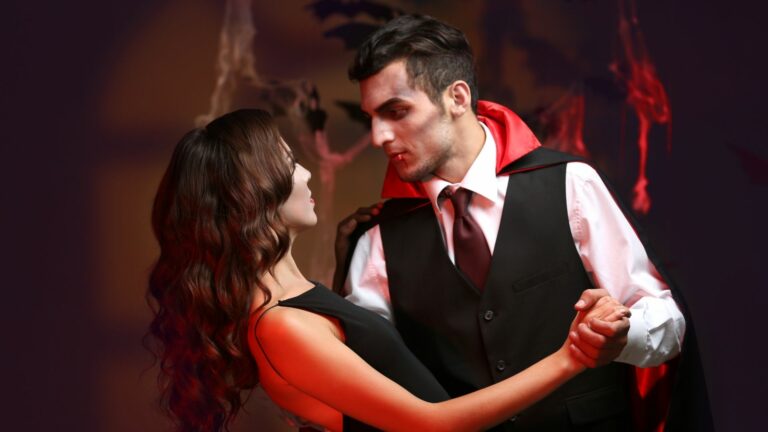
Charlaine Harris, Christopher Farnsworth, Dana Cameron, Leslie Klinger, and Toni L.P. Kelner explore why supernatural mystery continues to captivate readers. They discuss research and worldbuilding, the symbolism behind mythical creatures, and the lasting appeal of vampire fiction and other supernatural tropes.
Witches, Ghosts, & Vampires, Oh My: Why Paranormal Fiction Is Having a Moment
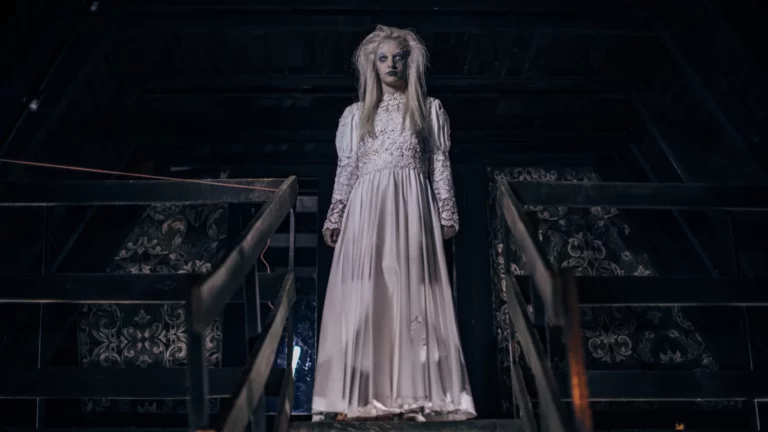
F. Paul Wilson, Judy Clemens, Juliet Blackwell, Sarah Zettel, and Victoria Laurie explore the growing appeal of paranormal fiction. They discuss why readers are drawn to witches, ghosts, vampires, and other supernatural figures, and share how each author found their way into writing stories where the uncanny feels exciting, accessible, and full of possibility.
Writing the Paranormal Mystery
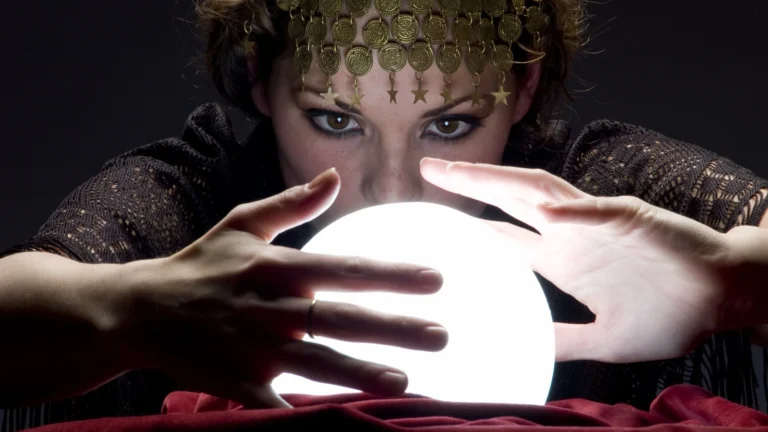
In this intriguing session, Rochelle Staab leads authors of supernatural mysteries in a conversation about blending the paranormal with investigative storytelling. They discuss how to ground otherworldly elements in emotional truth, create believable rules for the unseen, and keep readers fully invested in both the puzzle and the presence beyond it.