
Genre Writing
Military
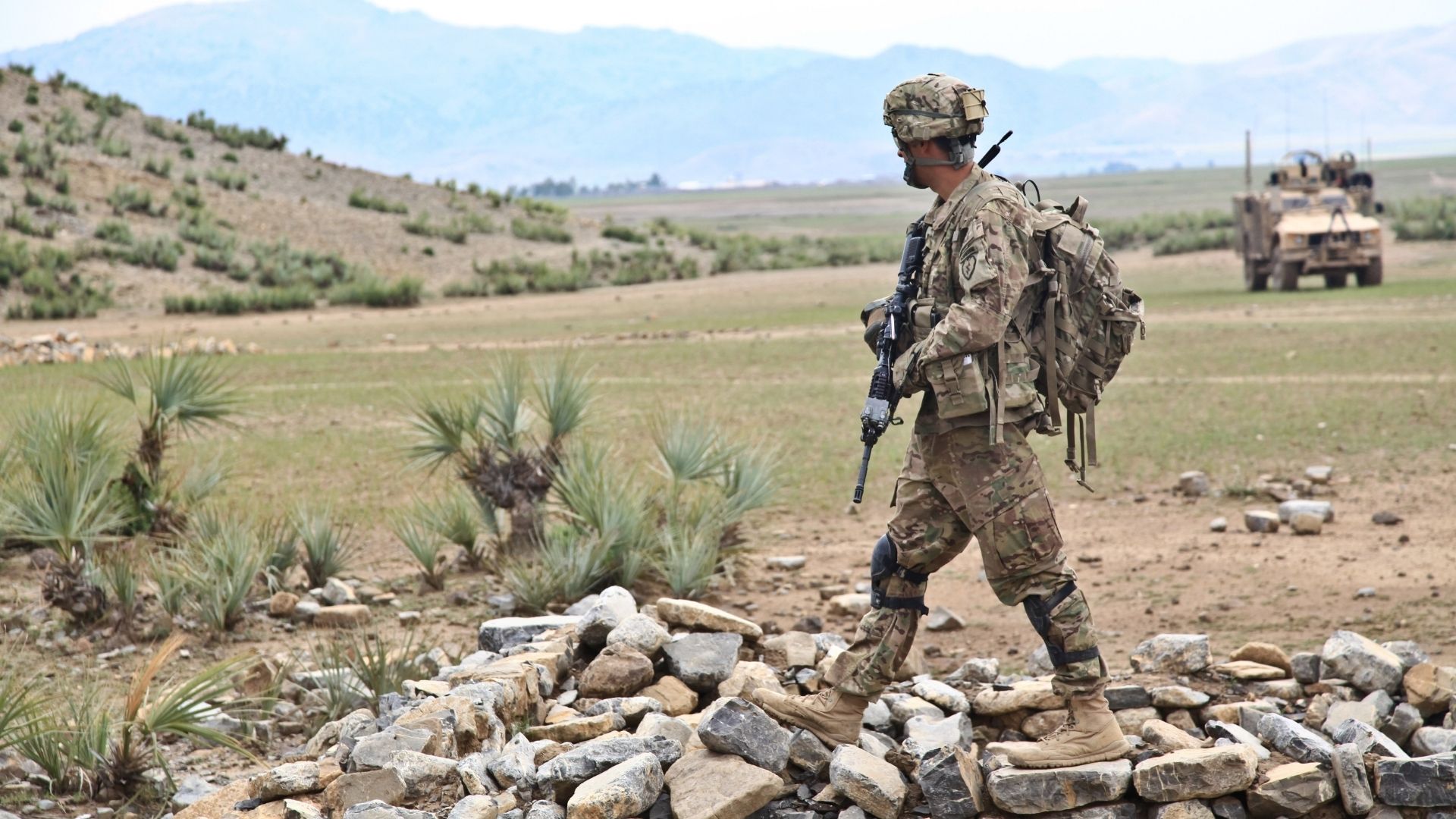
Military fiction examines duty, sacrifice, strategy, and the realities of conflict. This certificate program explores authenticity in rank, structure, operations, and the psychological impact of warfare on individuals and communities.
Courses
Artificial Intelligence in Military and Civilian Applications
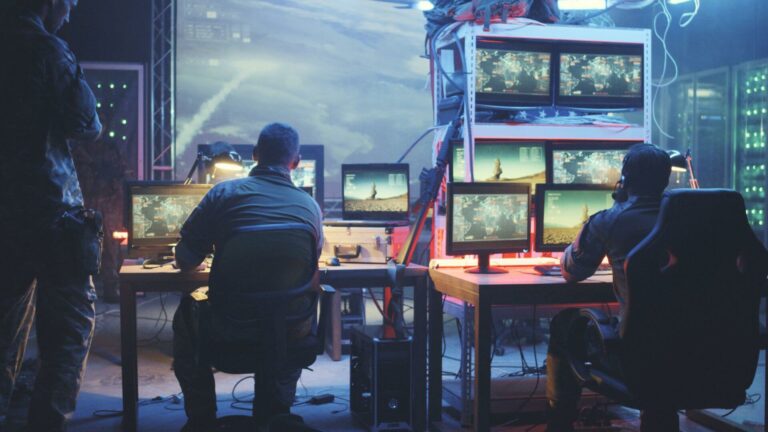
Artificial intelligence is already shaping modern conflict and everyday life, but fiction often misunderstands how it actually works. Ph.D. Ross Carley breaks down computational intelligence in clear, accessible terms, explaining how these systems are used in both military and civilian settings. Writers learn the role of expert advisors, real-world limitations, and practical applications, making it easier to incorporate advanced technology into stories without losing believability.

Counterintelligence: What Espionage Really Looks Like
U.S. Department of State Special Agent Ron Campbell offers a rare, inside look at counterintelligence and protection operations overseas. This session helps writers understand how espionage and security work actually function, and how to portray them with accuracy, tension, and credibility on the page.
Creating Military Characters Who Feel Real
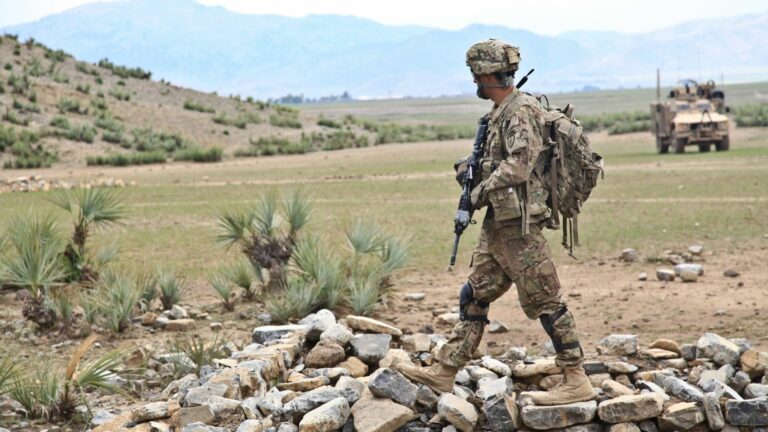
Kurt DeManche, A.J. Tata, Eric Gardner, James Glass, and Michael Byars Lewis talk about writing military characters who feel real rather than stereotyped. They discuss structure, realism, and emotional depth, sharing how authentic details and lived experience bring military stories to life.
For Honor, For Country: The Moral Weight of Writing Soldiers
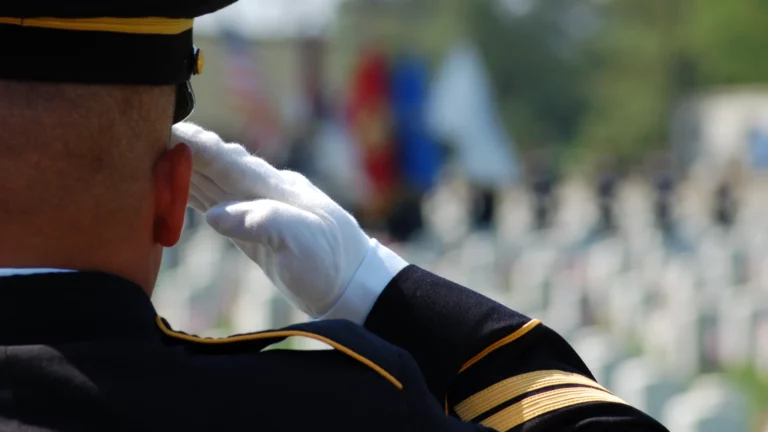
David Rich, Erin Mitchell, Laura DiSilverio, and Martin Limón explore the moral and emotional complexities of writing military characters. They discuss duty, sacrifice, and service, and how research and personal experience help create honest portrayals of soldiers facing impossible choices.
How Intelligence Work Actually Functions
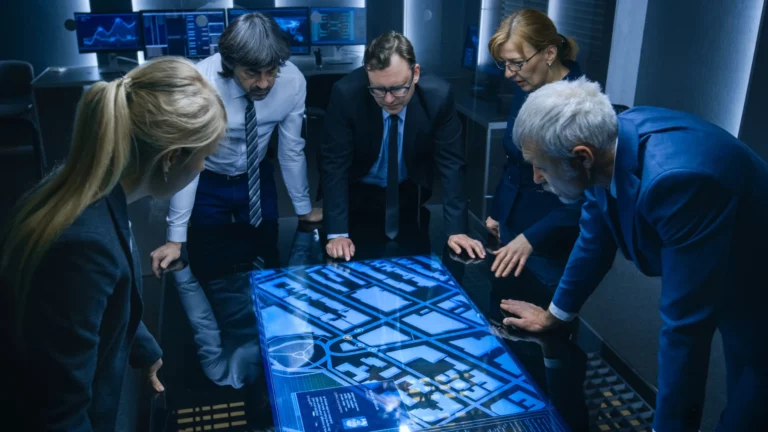
Intelligence work is rarely what television suggests. Former CIA officer Carmen Amato explains how intelligence organizations actually function, from tradecraft and internal structure to the limits agents work within every day. Writers gain practical insight into how espionage plots really unfold and how to build believable intelligence characters without relying on clichés.
Inside Military Culture Writers Never See
Writing convincing military fiction requires more than hardware and rank insignia. A.M. Adair, Cindy Dees, Dean Krystek, Mark Zeid, and Patrick Kendrick draw on their military backgrounds to discuss what writers frequently get wrong and why it matters. This session explores culture, terminology, and daily realities, helping authors create stories that feel grounded in lived experience rather than surface-level research.
Law Enforcement in the Military
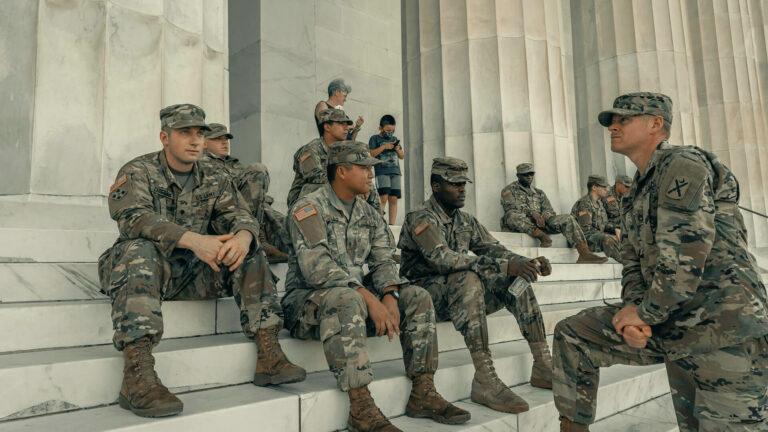
Military law enforcement operates under rules and pressures very different from civilian policing. James Glass and Mark Zeid draw on their military experience to explain how jurisdiction, geography, and chain of command shape investigations on bases and in deployed environments. This session gives writers a realistic understanding of how military law enforcement works and how to portray those roles accurately in fiction.
Semper Fidelis: Writing Crime Stories Set Behind Military Lines
B. Kent Anderson, Charles Todd, James R. Benn, Lisa Brackmann, Martin Limón, and Matthew C. Funk discuss what it takes to write believable crime fiction rooted in military life. They explore research methods, authentic settings, and the unique crimes that arise within military environments, showing how structure, culture, and experience shape powerful stories.
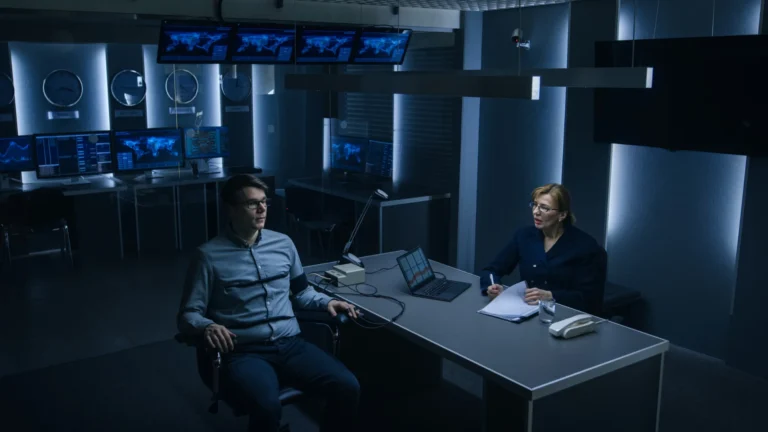
The Human Side of Espionage
Espionage depends as much on psychology as it does on secrecy. A.M. Adair draws on more than two decades of military service to explain how human intelligence and counterintelligence operations really work. This session explores recruitment, interrogation, and operational logistics, giving writers a realistic understanding of how information is gathered, protected, and exploited in the real world.
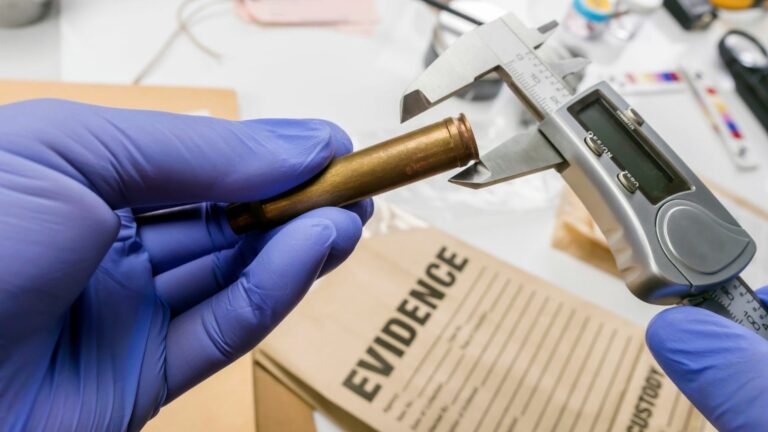
The Patina of Reality
What gives a story the texture of truth is often found in the details writers hesitate to include. An ex CIA agent shares a candid look at military life, weapons, and technology as they actually exist in the field. Drawing on firsthand experience, this session helps writers understand the small realities that create authenticity and keep stories grounded rather than glossy.
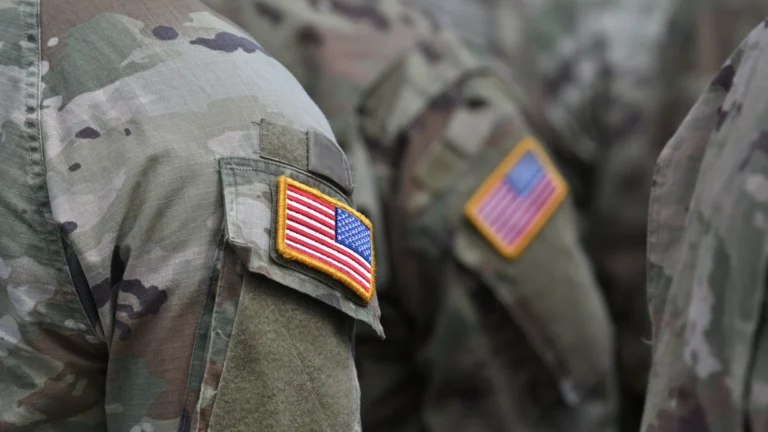
Understanding Military Life for Fiction Writers
A.M. Adair, Chris Grall, Dean Krystek, Jacob Moon, Mark Zeid, and Steve Stratton offer a practical introduction to writing military fiction. Drawing on both service and storytelling experience, they discuss structure, realism, and how to portray military life with respect and authenticity.
Wartime Heroes: How War Changes the People in Your Story
Beverle Graves Myers leads a discussion with J. Robert James, James R. Benn, Joanne Dobson, and Sarah R. Shaber on writing novels set during wartime. They explore courage, loss, and resilience, and how conflict transforms both individual lives and the course of history.

What It’s Like to Operate in the Shadows
Some stories can only come from lived experience. Leo J. Maloney recounts moments from his work as a black operative inside a clandestine government agency, showing how real missions shape tension, pacing, and character choices. This session gives writers insight into the mindset, risks, and operational reality behind covert action and how those elements translate into gripping fiction.
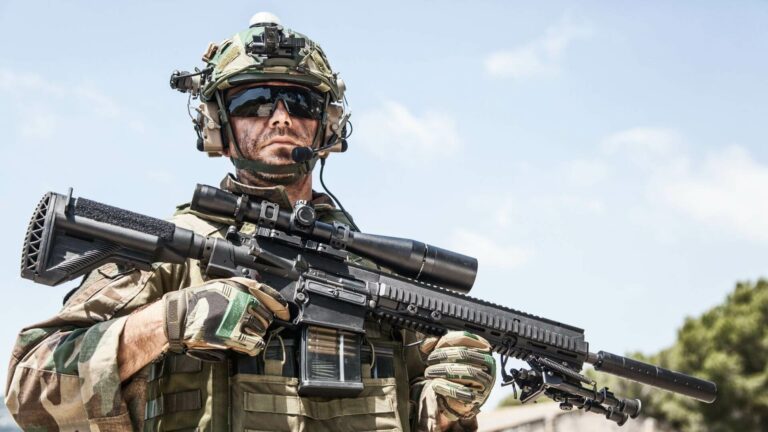
What Writers Get Wrong When They Write About the Military
Military fiction often falls apart on small but telling details. Luis Rosas, a veteran of the U.S. Marine Corps, walks writers through the mistakes he sees most often when authors portray military life. Drawing on firsthand experience, he explains how service members actually live and work, how command structures function, and how sacrifice and duty shape behavior. This session helps writers replace assumptions with authenticity and write military characters with credibility and respect.