
Genre Writing
Historicals
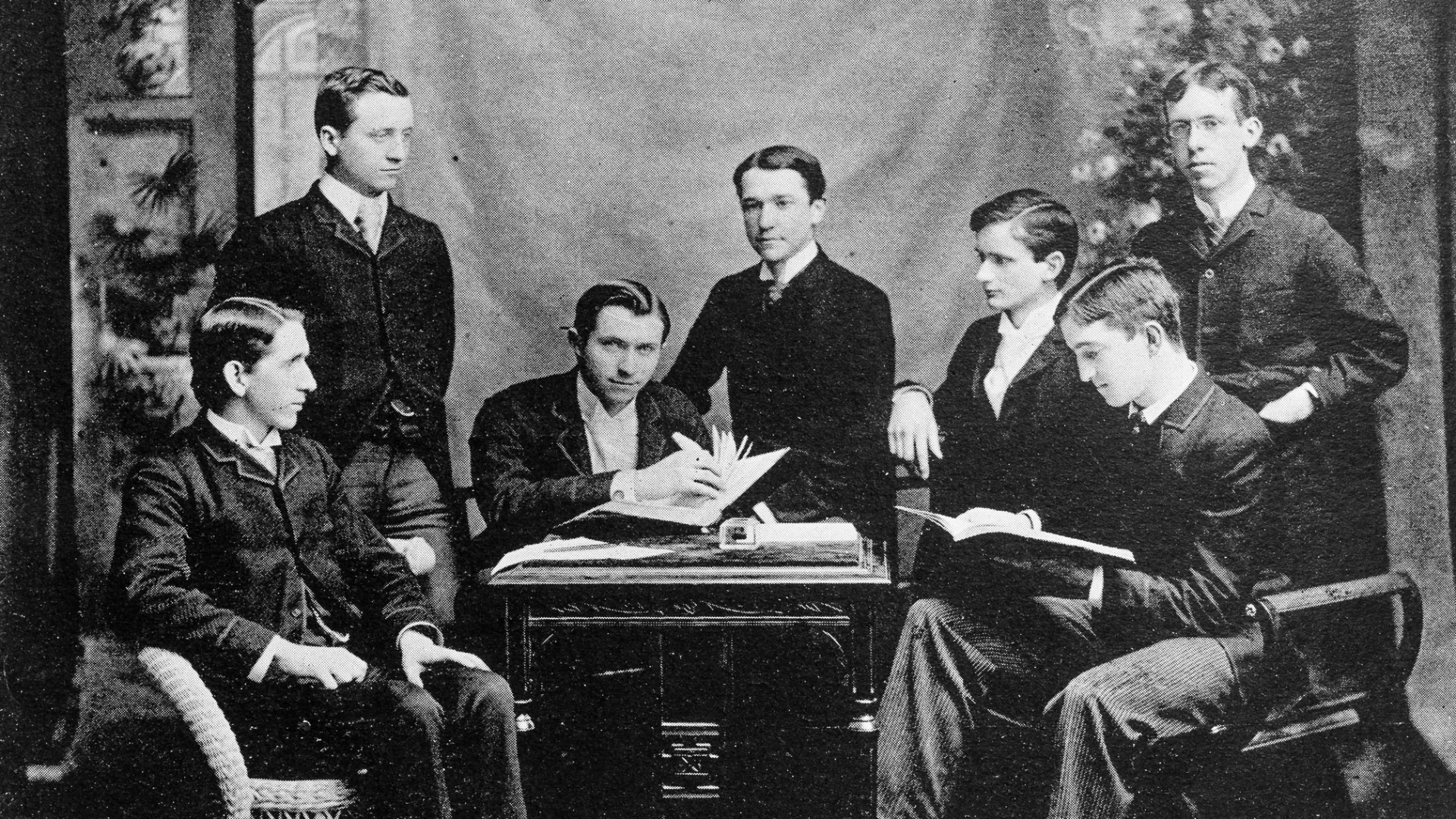
Historical fiction blends research with storytelling. This certificate program examines authenticity, period detail, cultural accuracy, and integrating real events with fictional narratives that resonate with modern readers.
Courses
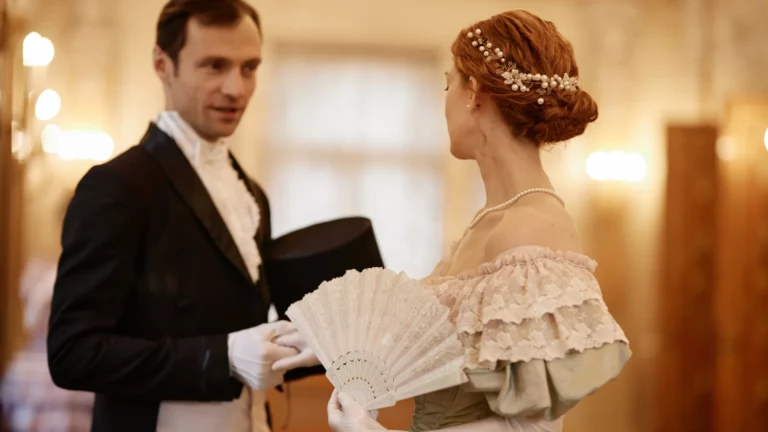
Balancing Character, Plot, and Period
Moderated by Bradley Harper, Alana White, Bill Rapp, Charlie Grisman, and Heather L. Montgomery explore the core elements of historical fiction. They discuss how to balance character, plot, and setting while keeping the story engaging and grounded in its time.
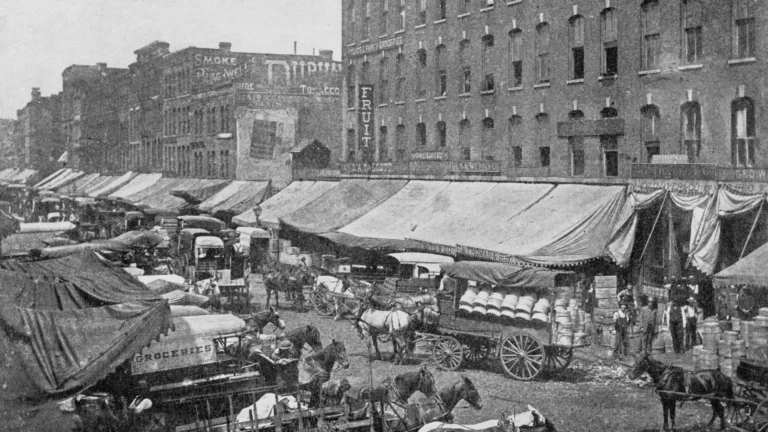
Bringing History to Life on the Page
Writing historical fiction requires more than facts. This panel explores how to recreate the past with sensory detail, emotional honesty, and narrative clarity that brings history vividly to life.
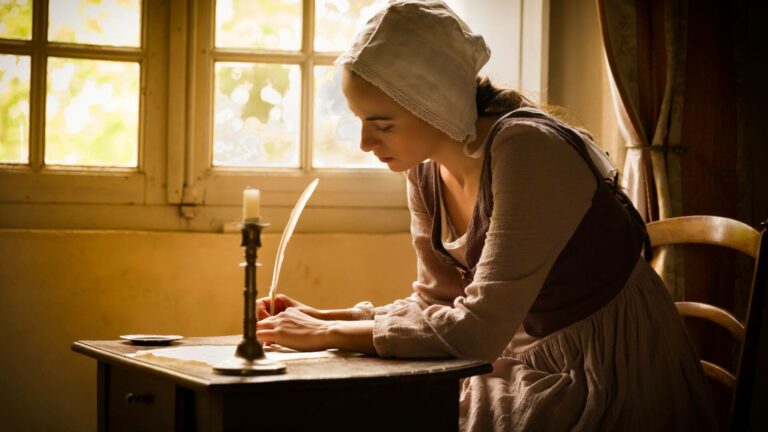
Bringing the Past to Life on the Page
Alana White, Amanda McCrina, Bill Rapp, Kathryn Lasky, Kelly Oliver, and Kimberly Collins talk about what makes historical fiction so rewarding and so challenging. They discuss favorite eras, real historical figures, and how careful research and immersive worldbuilding can turn the past into a living, breathing story.

Changing Technologies Through The Years
What happens to a mystery when there’s no cell phone, no internet, and no instant answers? In this panel, authors explore how changing technology shapes storytelling across different eras. They discuss the creative challenges of writing in the past, from slower investigations to limited communication, and share techniques for making historical settings feel vivid, suspenseful, and irresistible to modern readers.
Falling Down the Research Rabbit Hole
Carolyn D. Wall, Catriona McPherson, Charlotte Hinger, D.M. Pirrone, Keri Arthur, and Molly Westin dive into the joys and frustrations of research. They discuss how they uncover authentic details, what surprises them along the way, and how research often reshapes both story and writer.
From Research to Finished Historical Novel
Amber Meyer, Mally Becker, Natalie Musgrave Dossett, Paul Sinor, Randy Overbeck, and Shelley Blanton Stroud share how they approach writing historical novels. They discuss balancing research and imagination, staying true to the past, and crafting stories that remain engaging across time and setting.
Historical Whodunnits
Joanna Slan discusses with Dan Johnson the intricacies of period pieces and the historical events woven into his novel, as he explains the choices he made when setting the time period for his book.
How to Make History Serve Your Characters
William Martin explores how to balance sweeping historical events with deeply personal stories. He shows how strong character arcs, thoughtful point of view, and focused narrative choices can make history feel immediate, emotional, and relevant rather than distant or academic.

Making the Past Suspenseful
Dana Chamblee Carpenter, Debra H. Goldstein, Maureen Stack Sappéy, Roberta Rogow, and Stacy Allen discuss how to combine suspense with historical detail. They explore how setting, research, and period constraints can heighten tension and drive fast paced, gripping stories.
Murder Most Ancient
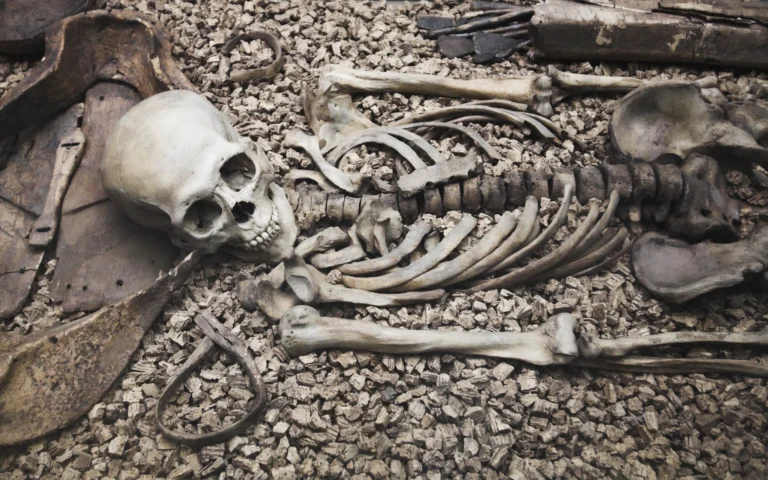
Albert Bell, Jeri Westerson, Marilyn Todd, Peg Herring, and Sharan Newman explore mysteries set in the ancient world. They discuss research challenges, historical authenticity, and how universal human motives make stories from long ago feel surprisingly modern.
Murder, Mayhem in Medieval Times
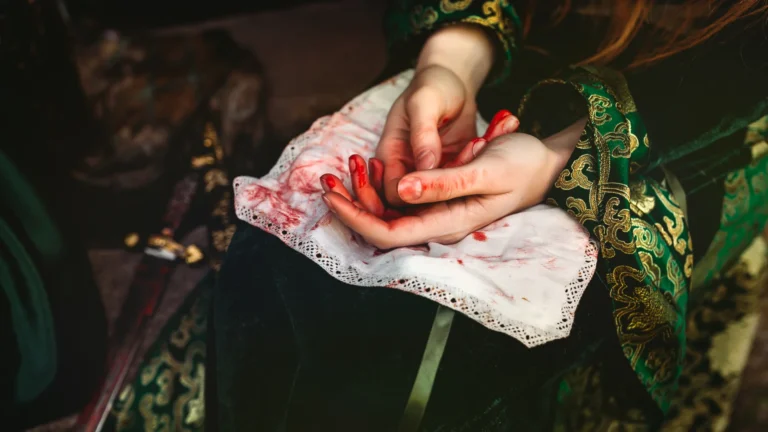
Christopher Willis Gortner, Edward Sklepowich, Susan Spann, and Tasha Alexander explore writing mysteries set in Medieval and Elizabethan eras. They discuss research depth, historical accuracy, and why stories of intrigue and murder remain timeless no matter the century.
Presentism: Writing Historicals for the Modern Reader
Bradley Harper, Elizabeth Crowens, Mally Becker, Marcus Cloer, Paula Gail Benson, and Shelley Blanton Stroud discuss how to write historical fiction that resonates with modern readers. They explore how to balance historical authenticity with contemporary sensibilities without losing the integrity of the past.
Recreating Daily Life in Historical Mysteries
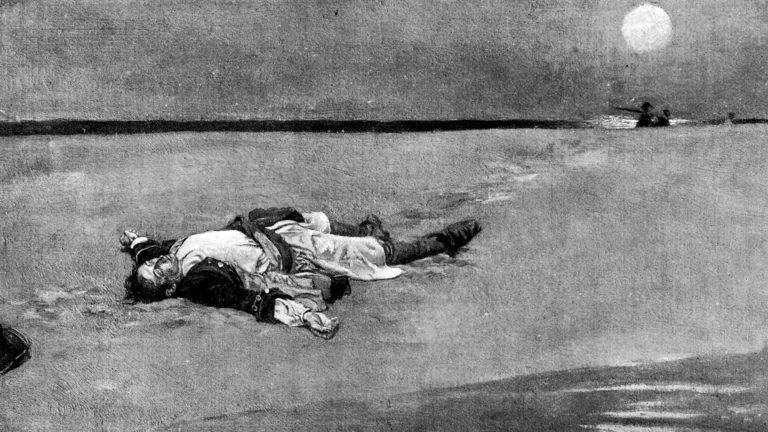
Charles Finch, Eleanor Kuhns, Emily Brightwell, Laura Brennan, S. K. Rizzolo, and Susanna Calkins discuss the pleasures and pitfalls of writing mysteries set centuries ago. Topics include recreating daily life, capturing period voice, and making historical settings feel immediate and real.
Research, Risk, and the Historical Novel
Authors come together to discuss the historical novels they’ve written and the different approaches they use to bring the past to life. This conversation compares research methods, creative choices, and storytelling techniques, revealing how each writer balances accuracy, imagination, and suspense when working within history’s constraints.

Retro Homicide
Holly West sits down with various authors to discuss their historical mystery novels, delving into the topic of crime involved with their protagonists.
Solving Crimes Without Breaking History
Albert A. Bell, Jeri Westerson, John Maddox Roberts, Patricia Rice, Sharan Newman, and Tony Hays discuss the challenges of writing mysteries rooted in the past. Topics include historical accuracy, period language, social roles, and how to tell a gripping story without breaking the illusion of time.
Strong Women in Historical Mysteries
Historical mysteries often feature women who challenge the limits of their time. In this session, authors discuss creating strong female sleuths in period settings and the research and storytelling challenges that come with writing historical fiction while keeping characters compelling and believable.
The Past Is Never Dead: Writing Historical Crime Fiction
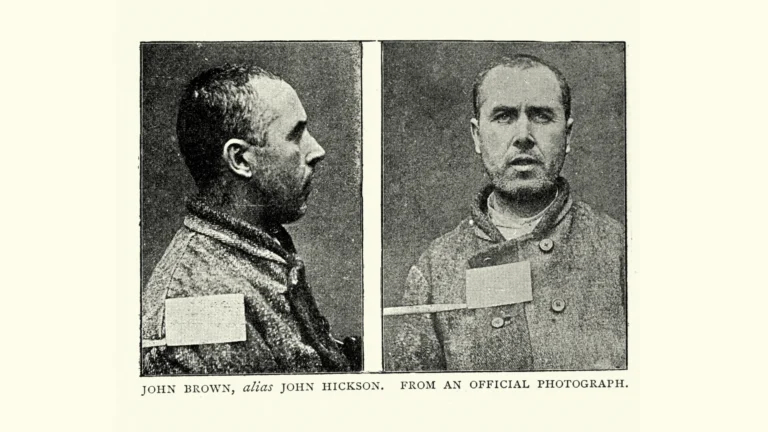
Kay Kendall leads an engaging conversation with authors who bring history to life through crime fiction. Panelists discuss their passion for writing across different time periods, how the past continues to shape their stories, and the challenges and rewards of crafting compelling narratives set in earlier eras.
Using Real History to Deepen Crime Fiction
Craig McDonald talks about using real historical figures and events in crime fiction. He explores how drawing from history can add authenticity, depth, and texture while still leaving room for imagination and storytelling freedom.
Walking Through Time: How to Research and Write a Historical Novel
Alana White, Anne Perry, Christie, and Sarah Wisseman share how they approach researching historical fiction. They explain how to blend accuracy, atmosphere, and authenticity into stories that fully immerse readers in another time and place.

When to Stop Researching and Start Writing
D.E. Johnson, Frances McNamara, Nancy Means Wright, Roberta Rogow, and Sasscer Hill talk about one of the hardest parts of historical writing: knowing when to stop researching. They share how to recognize when you have enough detail and how the discovery process itself can fuel creativity instead of slowing it down.
Writing Crime Across Centuries
Edward Marston and Judith Cutler talk about writing crime fiction across vastly different time periods. They discuss how personal experience and historical knowledge inform their work and help create believable stories whether set in the distant past or the present day.
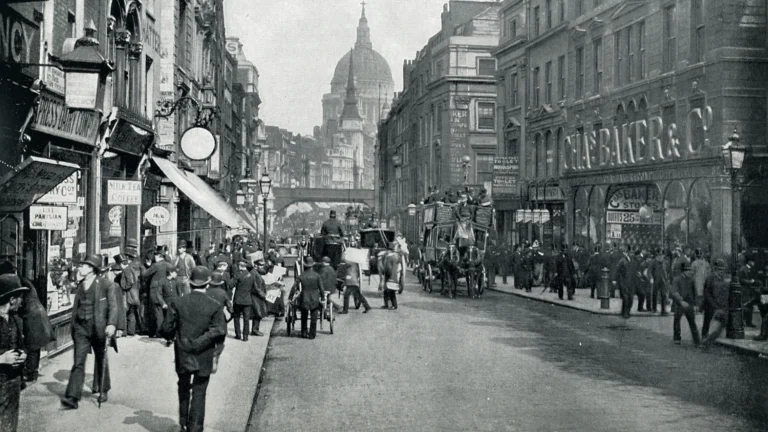
Writing History: Balancing Accuracy and Social Mores
In this session, panelists discuss the historical periods they have chosen for their stories, what drew them to those eras, and how they balance historical accuracy with engaging storytelling.