
Forms of Storytelling
Screenwriting and Film
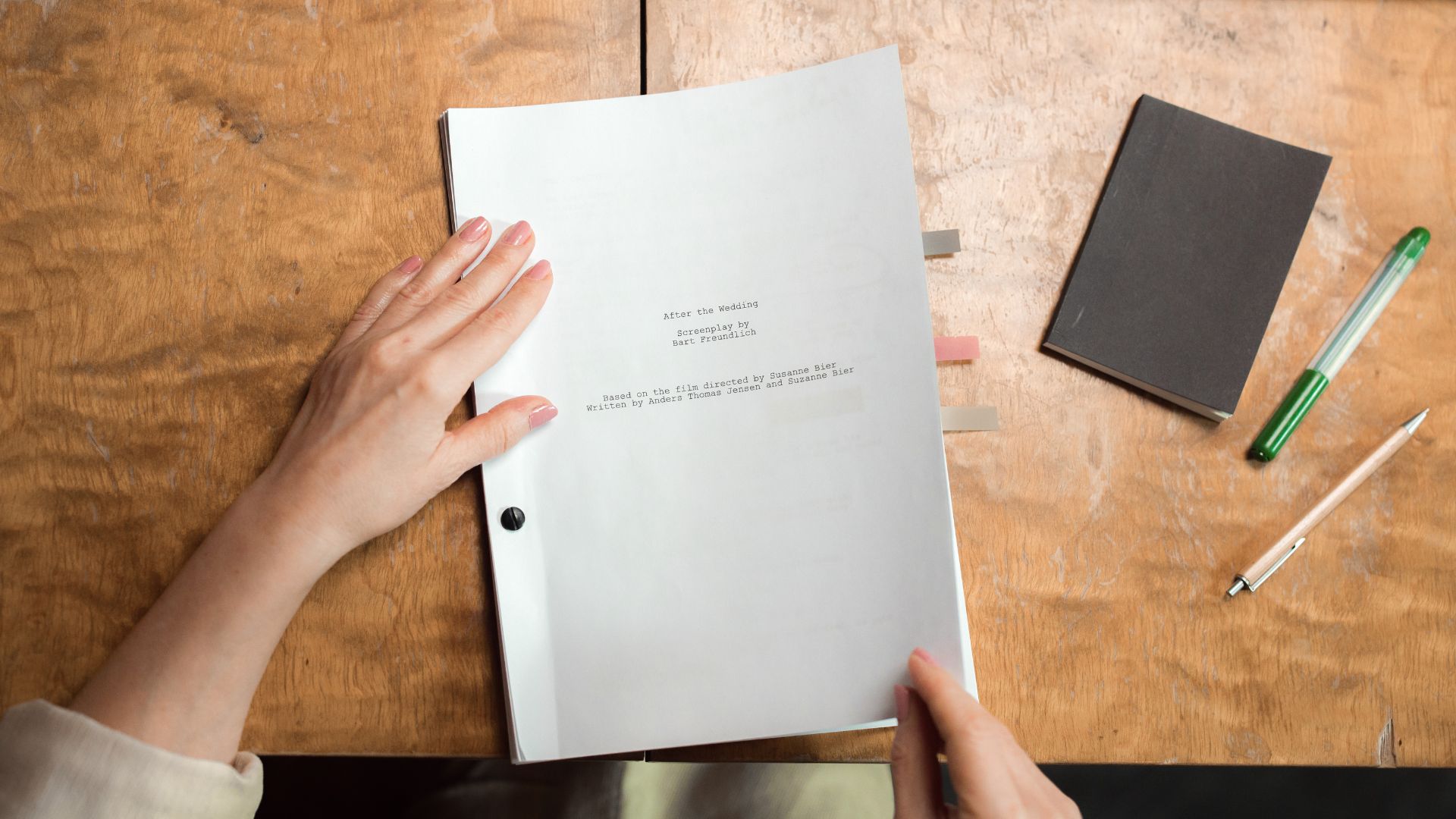
Writing for the screen demands visual thinking and structural discipline. This certificate program examines screenplay format, scene construction, dialogue economy, and industry expectations. Learn how to translate story into a cinematic experience.
Courses

Adapting Stories for the Screen Without Losing Their Soul
A guest screenwriter shares practical guidance on turning existing works, fiction, drama, or real-life stories, into successful screenplays. This session explores how to honor the source material while reshaping it for film, focusing on structure, pacing, and emotional throughlines that make adaptations resonate on screen.
Behind The Scenes of TNT’s Major Crimes
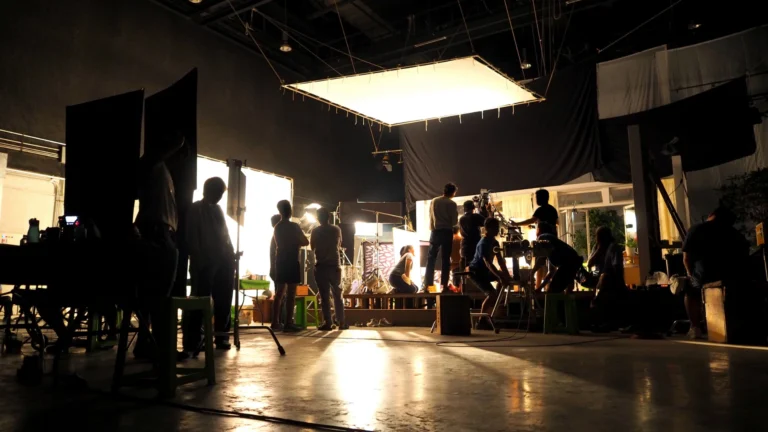
Go inside the making of TNT’s Major Crimes as cast, writers, and key creatives share what it takes to bring a long-running crime series to life. From shaping complex characters to balancing procedural structure with emotional storytelling, this behind-the-scenes conversation reveals how television crime dramas are built episode by episode.

Crime on Screen: Writers Debate the Best Crime Films
David Corbett, Jenna Lynch, Megan Abbott, Russell D. McLean, Riley Sager, and Wallace Stroby face off in a spirited game show, each pitching their favorite crime films from different eras while the audience votes to decide which author makes the most convincing case.

Getting Your Script Industry-Ready
The speaker explains the technical aspects of screenplay formatting, including proper length, cover page design, tense and narrative voice, font choice, type size, and spacing. The session also recommends using professional formatting software and provides helpful resources for writers looking to prepare industry-standard scripts.

How Crime TV Is Evolving
Crime storytelling on television continues to push new boundaries. In this session, authors discuss their work in TV crime and how the genre is evolving, from changing formats and character complexity to the risks and innovations shaping modern crime series.
How Hitchcock Still Teaches Us Suspense
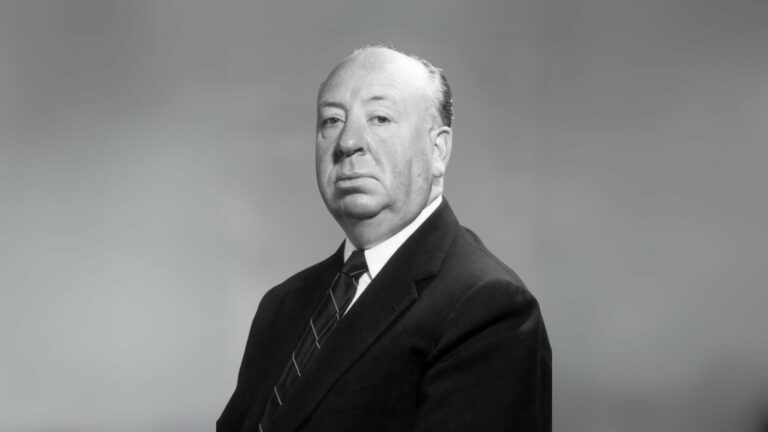
Riley Sager and Tracy Brogan examine the lasting influence of Alfred Hitchcock on suspense, thriller, and crime storytelling. They explore his use of tension, pacing, and psychological depth, and how his techniques continue to shape modern crime and thriller narratives.
How Screenplays Are Built
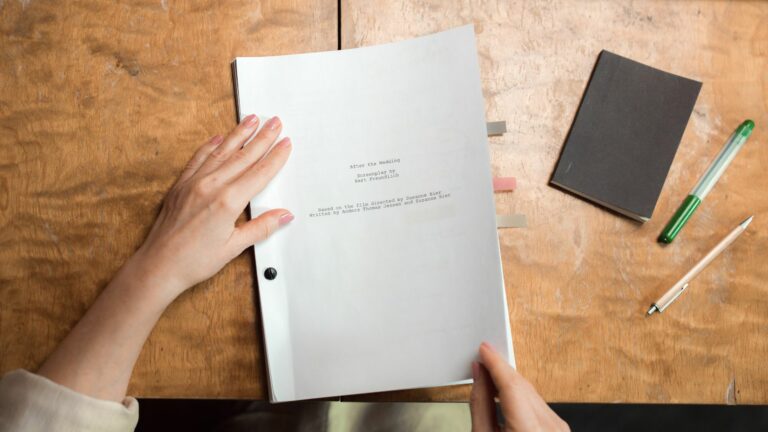
April Kelly covers the fundamentals of screenwriting, from scene length and subplot structure to shaping a screenplay for strong dramatic impact. This session offers clear, practical guidance for building a script that works on the page and on screen.

How Scripts Change Once Reality Sets In
Heywood Gould and Phil discuss the realities of rewriting scripts, both their own and those of others. They explore how budget and production constraints shape rewrites, and how scripts are often trimmed or reshaped on set to meet logistical demands.

How to Write a Killer Screenplay
Keith Sharon shares his path from journalism to screenwriting and the lessons he learned along the way. He discusses script structure, visual storytelling, and what it takes to make a successful transition into Hollywood screenwriting.

Inside a Working Screenwriter’s Process
Andy Fickman shares the real-world challenges and creative hurdles he faces when writing screenplays. In this engaging session, he offers personal insights into his writing process before opening the floor for an in-depth audience Q&A, providing practical advice for screenwriters at every stage.

Interactive Fiction: Storytelling in Social Games
Blair and Jean Leggett of One More Story Games discuss how they blend narrative and technology to create immersive, player-driven storytelling experiences in interactive fiction.

Making a Script Work as a Complete Story
A strong script works as a unified whole. Richard Walter offers an inside look at what Hollywood expects from professional screenwriters, breaking down structure, character, and story cohesion. This session focuses on refining scripts so every element supports the core narrative and meets real industry standards.

Metamorphosis of a Book into a Film
Peter Miller breaks down how novels are evaluated for film adaptation and what agents and producers actually look for. He explains why marketability, cinematic potential, and visual storytelling matter, and why established or globally known authors often have more leverage over film rights than emerging writers.

Overcoming Creative Resistance as a Screenwriter
Catherine Ann Jones shares her personal journey as a screenwriter and the lessons she’s learned along the way. She offers practical advice on overcoming creative blocks, building a sustainable writing practice, and mastering the technical skills essential for a successful screenwriting career.
Screen to Prose: From Pictures To Publishers
Writers who work in both film and prose explore the strengths and limits of each medium. This session examines what prose allows writers to do that screenwriting cannot, where visual storytelling excels, and how moving between the two forms can sharpen craft, expand opportunity, and deepen storytelling skill.

Spin Off Your Book into a Documentary
Joseph Valencic explores how both fiction and nonfiction books can become compelling documentaries. He explains what a treatment is, how to structure a story for the screen, and why allowing room for unexpected moments can lead to a more authentic and engaging film.

That’s Not the Way It Works: A No-Nonsense Look at the Craft and Business of Screenwriting
Bob Saenz, Gabrielle St. George, and Michael Lucker offer an honest look at the realities of screenwriting. They share practical guidance on adapting a manuscript into a screenplay, understanding industry expectations, and building a professional career in a competitive field.

The Mental Game of Screenwriting
A seasoned industry veteran reflects on a lifetime in screenwriting and the lessons learned along the way. This session examines how mindset influences both mistakes and success, with a focus on the resilience, awareness, and creativity needed to sustain a long screenwriting career.

Thinking Visually From the First Draft
This session explores how to write a screenplay that translates seamlessly from script to screen. The guest speaker focuses on how words, dialogue, and visual storytelling work together to create cinematic impact, showing writers how to think like filmmakers from the very first draft.

What Changes When Stories Go on Screen
Turning a story into a visual experience is never a simple translation. In this panel, authors and screenwriters explore what happens when stories move from page to screen. They discuss what must change, what should remain intact, and how to preserve character, tone, and emotional impact while adapting a story for film or television.

What Comes After You Finish the Script
April Kelly, Heywood Gould, Phil Cioffari, and Steven Womack discuss what happens after a screenplay is finished. Topics include rewrites, film festivals, markets, and the role of beta readers, along with the importance of attention to detail as a defining mark of professionalism.

What No One Tells You About Writing for Film
Adam Sydney, Bob Gebert, Judy Klass, Jule Selbo, Kaira Rouda, and Michael Cordell explore both the craft and the business of screenwriting. They talk through fundamentals like formatting and structure, then move into creative control, collaboration, and networking in the film industry. This session offers practical insight for writers who want to see their stories translated to the screen.

When Crime Fiction Goes Hollywood
Charlaine Harris, Chelsea Cain, Derek Haas, Dr. Robin Cook, and Joseph Finder share their experiences in Hollywood, discussing what it’s like to see their characters come alive on the big screen and how the process of adaptation transforms storytelling.
Why Story Is the Only Thing That Matters
This session focuses on the core elements that make a screenplay work, including character arcs, story progression, structure, and emotional rhythm. It reinforces a central truth of filmmaking: strong stories are the foundation of every successful film.

Writing Novels Hollywood Actually Wants to Read
Heywood Gould shares practical advice on writing novels with film adaptation in mind, including chapter endings, pacing, originality, and visual storytelling. He explains why novels are often easier for film executives to read and evaluate than screenplays.

You Want to Adapt Your Book Into a TV Show/Series or Feature Film? Here Are the Basics
Jule Selbo walks writers through the fundamentals of adapting a book for television or film. She covers story structure, rights considerations, and how to translate the heart of a novel into a visual, cinematic experience.

Your First Steps Into the Film Industry
Andy Cohen, Carey Dietrich, Frederick Levy, and Neil Stevens discuss how aspiring writers can break into the filmmaking industry. They share actionable steps for building momentum early, networking effectively, honing your craft, and understanding the realities of screenwriting as both an art and a business.