
Forms of Storytelling
Comics and Graphic Novels
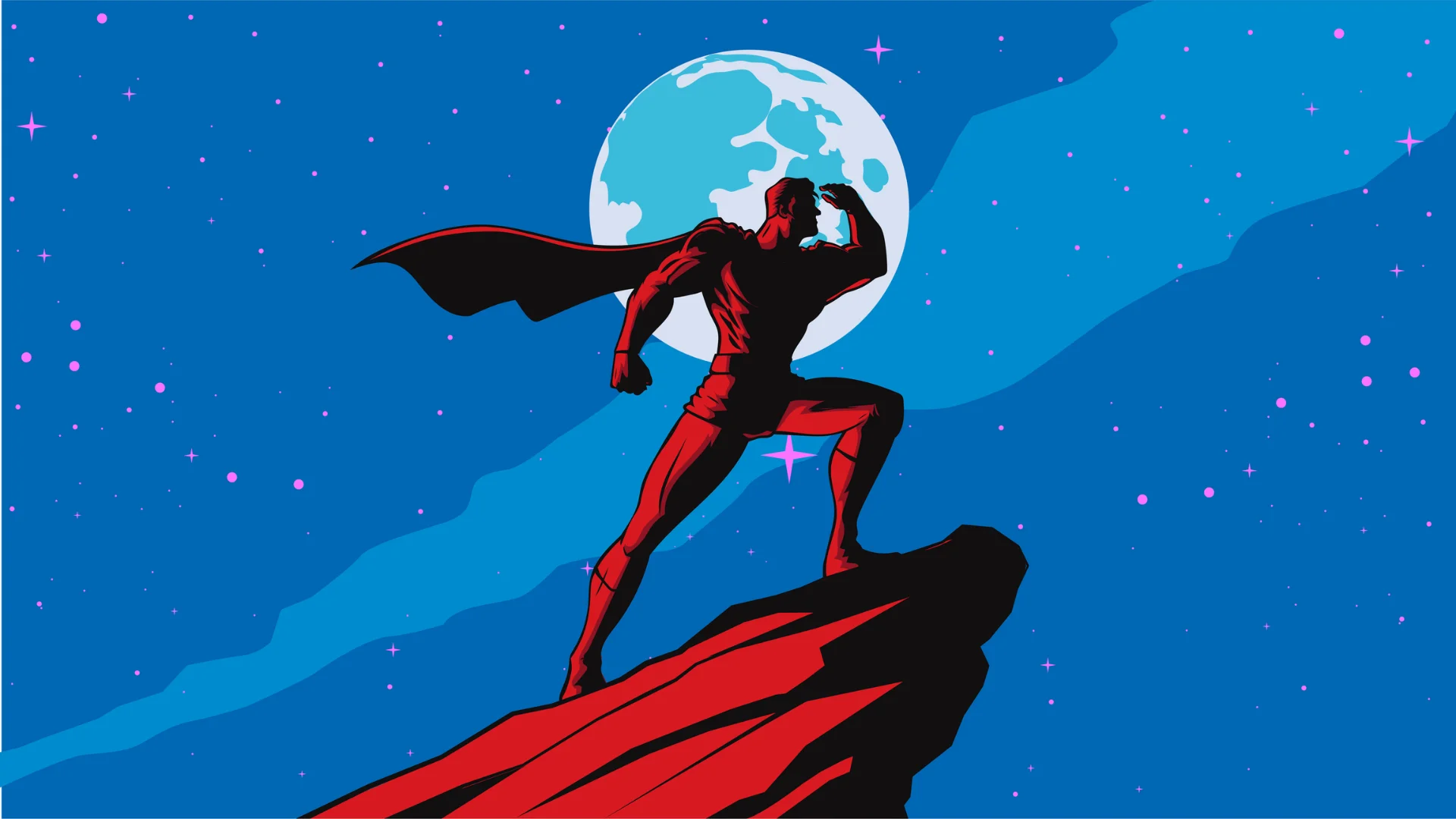
Visual storytelling requires collaboration between words and art. This certificate program explores scripting for comics and graphic novels, panel pacing, dialogue economy, and working with illustrators. Learn how to structure stories that thrive in a visually driven medium.
Courses
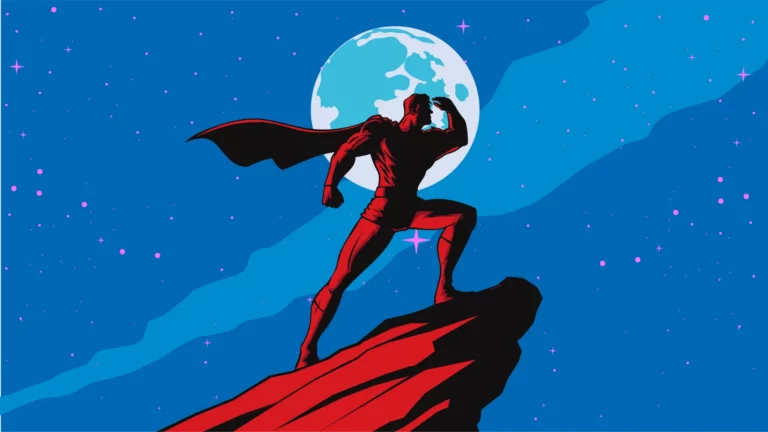
How Comic Books Learned to Tell Stories
David Morrell traces the evolution of comic book storytelling from its early roots to modern franchises. He explores how visual narrative, pacing, and theme have shaped the medium and influenced generations of readers.
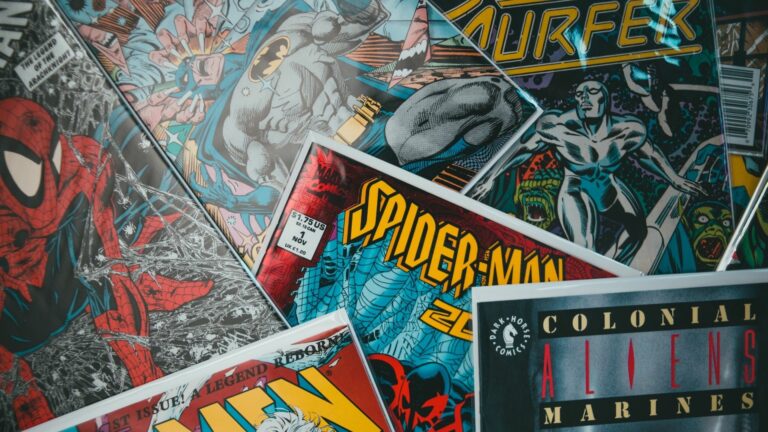
Telling Crime Stories Through Comics
Jason Starr and Max Allan Collins discuss writing crime stories for the comic medium. They explore what makes comics unique, how crime narratives translate visually, and the ways pacing, structure, and character development differ from prose or film.

The Art That Defined Crime Fiction
Art Scott presents a visual celebration of legendary illustrator Robert McGinnis, highlighting his iconic cover art and its lasting influence on mystery, pulp, and noir storytelling.
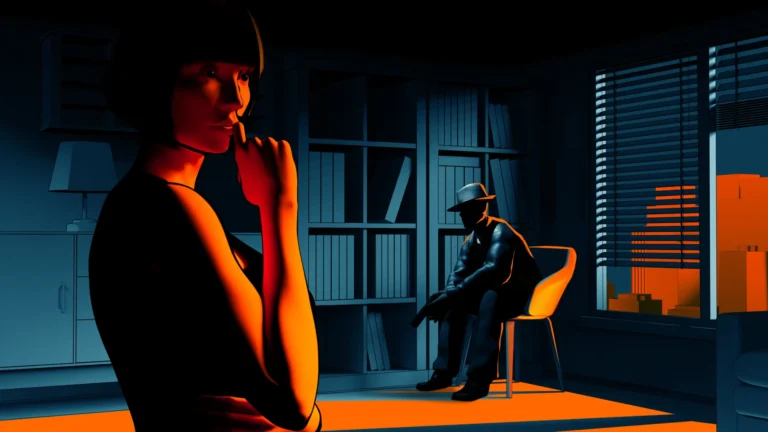
When Crime Becomes Visual Storytelling
Dale Berry, Duane Swierczynski, Gary Phillips, and Gregg Hurwitz explore how crime storytelling changes when told through visual media. They discuss how imagery influences tone, structure, and emotional impact, and how visual storytelling reshapes the reader’s experience.