
Characters
Identity and Representation
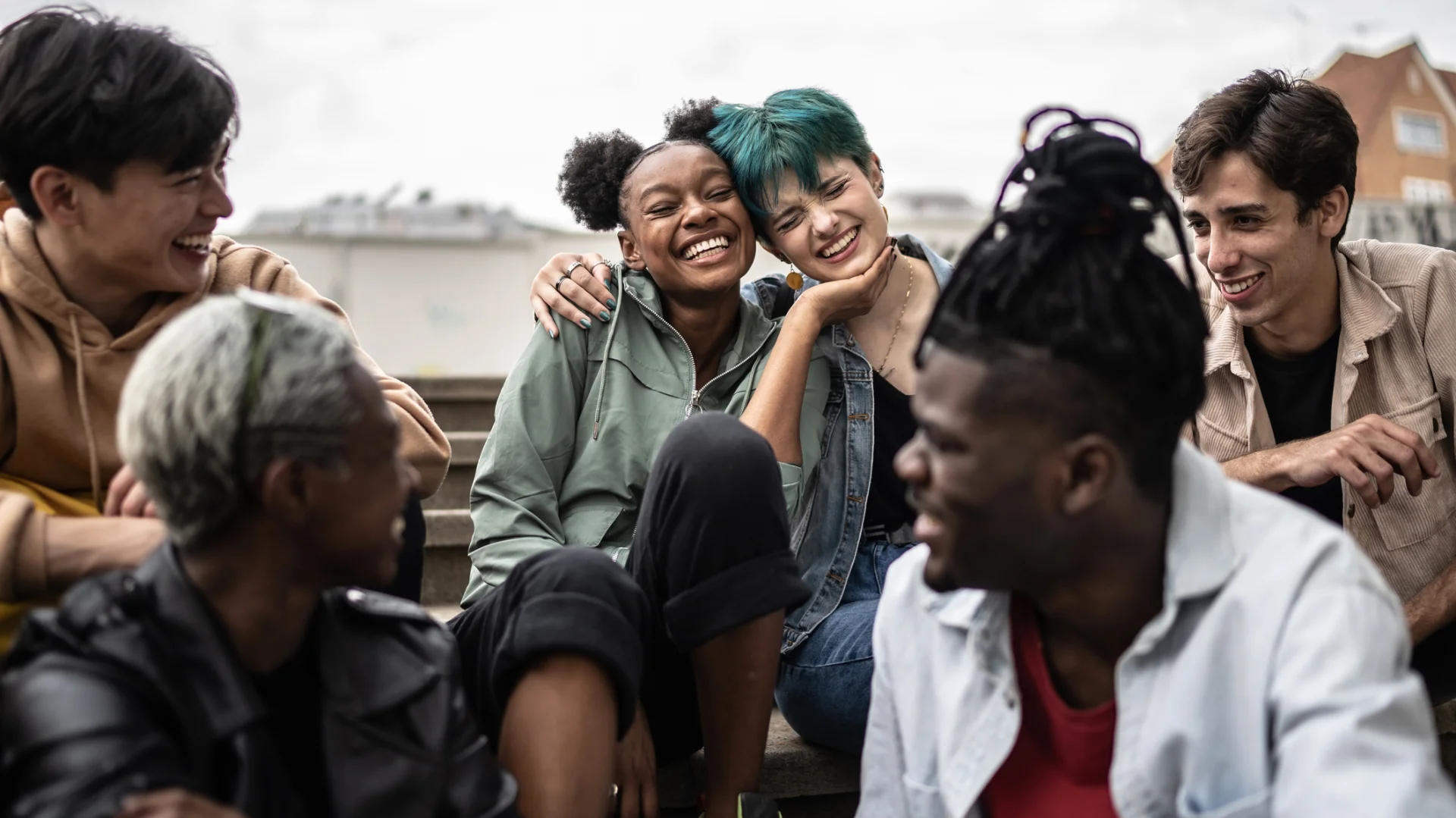
Authentic representation strengthens both story and impact. This certificate program explores how identity shapes character perspective, motivation, and experience. Writers will examine cultural awareness, inclusive storytelling practices, and the responsibility of portraying diverse identities with depth and respect.
Courses
Crafting Authentic Diversity on the Page
Barbara W. Bailey, Carol Shay Hornung, Darly Wimberly, Katherine Hutchinson-Hayes, and Martha Reed discuss how to portray diverse characters with honesty and care. They focus on research, sensitivity, and nuance as essential tools for meaningful representation.

Faith, Story, and the Power of Representation
Cindy Brown, Daniel Levitt, and Soraya Salam share how their faith backgrounds in Christianity, Judaism, and Islam are represented in media. They discuss common stereotypes, the importance of accurate portrayal, and how writers can bring greater nuance and authenticity to stories shaped by faith.

How Gender Shapes the Sleuth
Rebecca Butler, Christopher Greyson, and Linda Thorne explore the similarities and differences between male and female sleuths. They examine how gender shapes perspective, problem solving, and reader connection within mystery fiction.

How Identity Shapes the Story
S.J. Rozan moderates Alan Russell, Andrew Grant, Colin Campbell, and Gary Phillips in a lively discussion about how height, perception, and self image influence character creation and storytelling.

Stepping Into Another Gender’s Voiceom a Different Gender
Allan E. Ansorge, Chris Kelsey, Ernest Lancaster, J.R. Ripley, Jeremy Finley, and Nancy West discuss the art of writing characters of a different gender. They explore authenticity, empathy, and the craft techniques that help writers avoid stereotypes while deepening perspective.

The Emotional Web of Relationships
Deborah Crombie, Erin Hart, Hank Phillippi Ryan, Jan Burke, and Robin Agnew discuss how to craft emotionally layered relationships involving female protagonists. They explore romantic and platonic dynamics, emotional truth, and how relationship complexity strengthens character and story.

The Power Behind the Protagonist
Frankie Bailey, Lisa Wysocky, Mark Troy, Rabbi Ilene Schneider, and Sharon Hopkins explore what gives female protagonists their power. They discuss strength, authenticity, and how portrayals of women continue to evolve across genres and storytelling traditions.
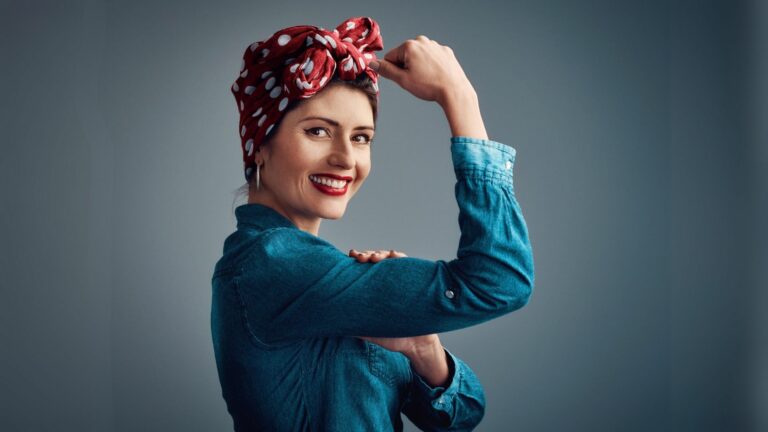
What Makes a Woman Strong on the Page
Cathi Stoler, Nora McFarland, Sandra Brannan, Sara J. Henry, Steve Steinbock, and Vicki Hendricks explore what defines a strong female character. They examine relationships, motivation, and emotional depth, along with the influences that shape complex and authentic women on the page.

Women in Transition: Writing Strength in Changing Times
Cara Black, Charlaine Harris, Ellen Hart, Jamie Freveletti, and Sara Paretsky discuss how they connect with their female protagonists. They explore the evolving challenges women face in fiction and how resilience, identity, and cultural change shape the characters readers remember.

Writing Across the Divide
Alan Jacobson, Alexandra Sokoloff, Daniel Palmer, Elizabeth George, and Tom Schreck share their experiences writing from the opposite sex’s point of view. They discuss authenticity, empathy, and the creative risks that come with stepping outside familiar perspectives.

Writing Beyond Yourself
A.H. Scott, Ashley-Ruth Bernier, Bonnie Kistler, John DeDakis, Lynn Slaughter, and Tracee de Hahn discuss how writers can authentically portray characters unlike themselves. They share approaches to research, empathy, and awareness that help avoid stereotypes while building believable and respectful characters.
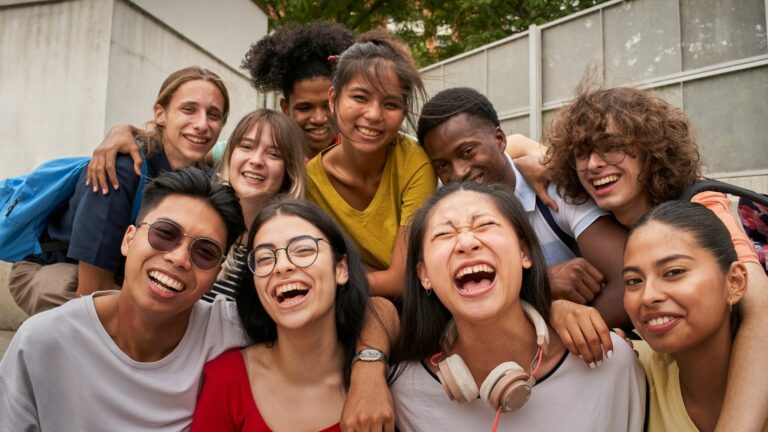
Writing Characters Who Reflect the World
Claire Applewhite, Kathleen Ernst, Qiu Xiaolong, Radine Nehring, and Victoria Laurie share their experiences writing authentically diverse characters. They discuss the importance of research, lived experience, and thoughtful representation in creating richer and more inclusive fiction.