
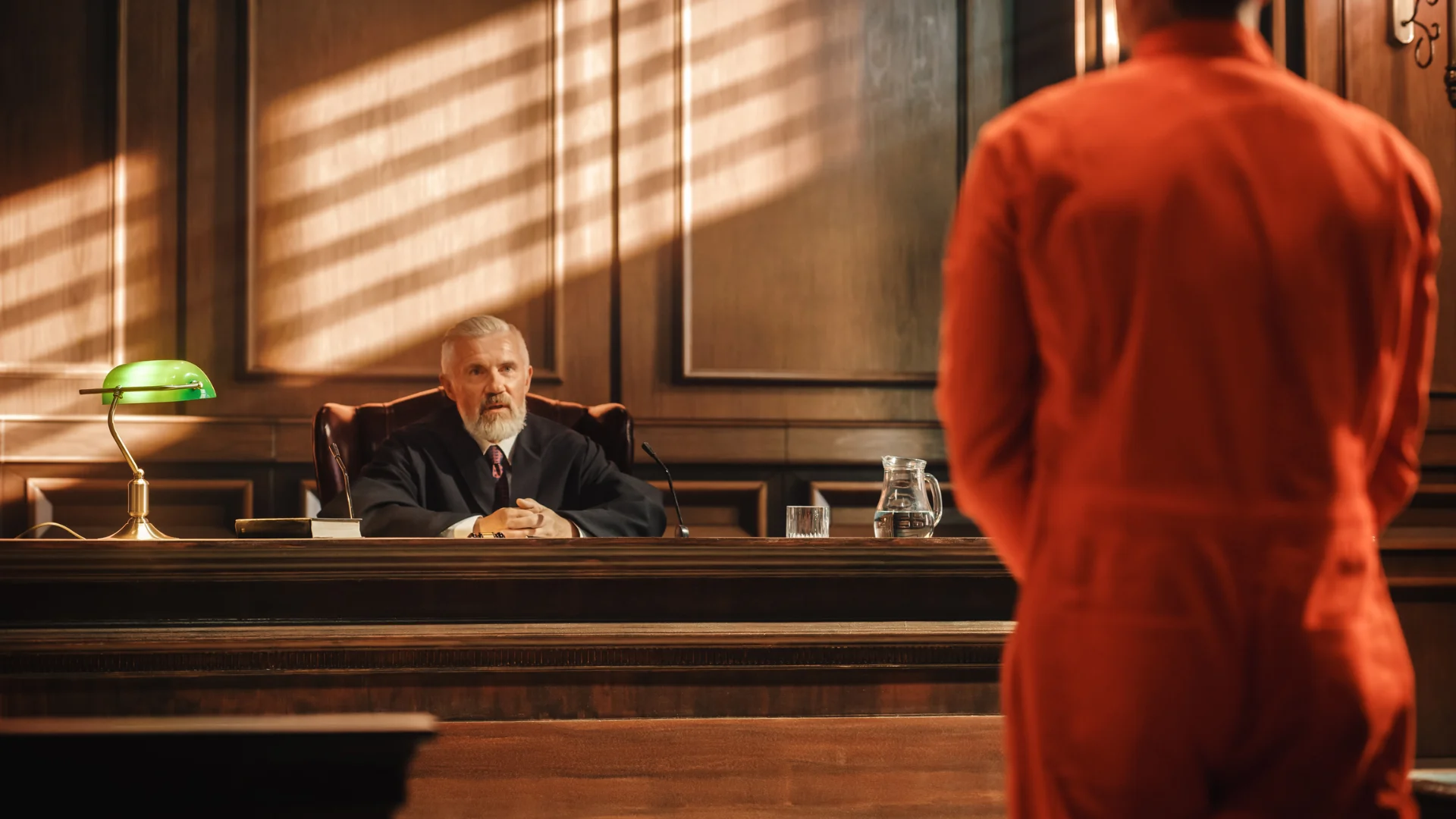
What Courtrooms Can Teach Crime Novelists

Lawyers turned crime writers discuss how real courtroom experience shapes their fiction. This session explores what drew them from practicing law to storytelling, how legal procedure and criminal psychology inform their plots, and what writers get right and wrong about courtrooms on the page.

To access this content, please sign up as a member.

Check out these other resources:

Writers’ Mistakes About Law That Drive Lawyers Crazy

Writers’ Mistakes About Law That Drive Lawyers Crazy

Small legal mistakes can instantly break credibility with knowledgeable readers. Public defender and author S. Lee Manning walks through the errors lawyers notice first and explains why they matter. This session clarifies common misconceptions and offers practical...

Manfiction: Defining Action-Driven Fiction

Manfiction: Defining Action-Driven Fiction

Andrew Grant, Andrew Kaplan, John Gilstrap, Leonard Rosen, and Max Allan Collins take on the question of what “manfiction” really means. Through lively debate, they examine how themes of heroism, danger, and moral code shape this style of storytelling and why it...

How Technology Shapes the Modern Writing Life

How Technology Shapes the Modern Writing Life

Chester D. Campbell, David Ciambrone, Lane Stone, Stacy Allen, and Tom Collins explore how technology impacts the writing process—offering insights on how digital tools, research methods, and modern innovations can both enhance and hinder a writer’s craft.