
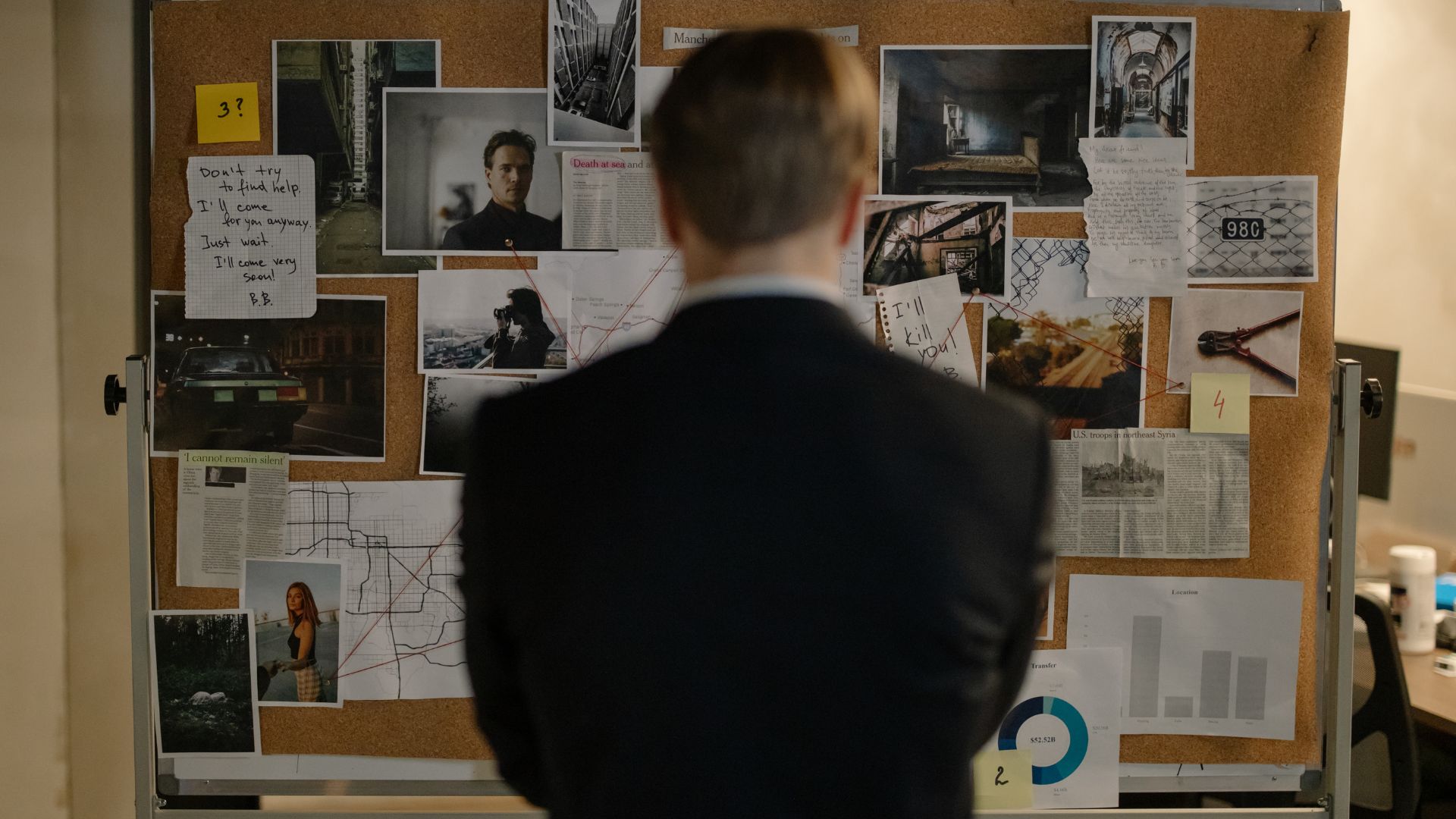
Television has shaped how audiences think crime scenes work, but reality tells a very different story. Amy Drescher, Ernest Lancaster, and Royce Wilson compare real law enforcement and private investigation methods with their dramatized TV counterparts. They discuss how evidence is actually collected, why analysis takes time, and why many cases never receive full forensic workups. The conversation also touches on coping mechanisms, gallows humor, and the challenge writers face when making real procedures feel believable in fiction.

Breakout – Crafting Killer Synopses
Jaden Beth Terrell breaks down how to write clear, compelling synopses for agents and publishers. She shows writers how to distill plot, emotion, and character into concise summaries that communicate the heart of a story with confidence.